a regional third-party logistics warehouse operating a nineteen-hundred-square-meter fulfillment module
How a Compact 3PL Warehouse Hit 180% Productivity With Seven AMRs
A 1,900 m² third-party logistics module replaced manual single-picking with seven AMRs and two operators, lifting productivity above 180% after a structured proof of concept.
- >180%
- Productivity vs manual baseline
- 7
- Autonomous mobile robots deployed
- 2
- Operators running the floor
- 1,900 m²
- Fulfillment module footprint
Based on a documented real-world deployment. Figures are from public reporting; the organization is not named.
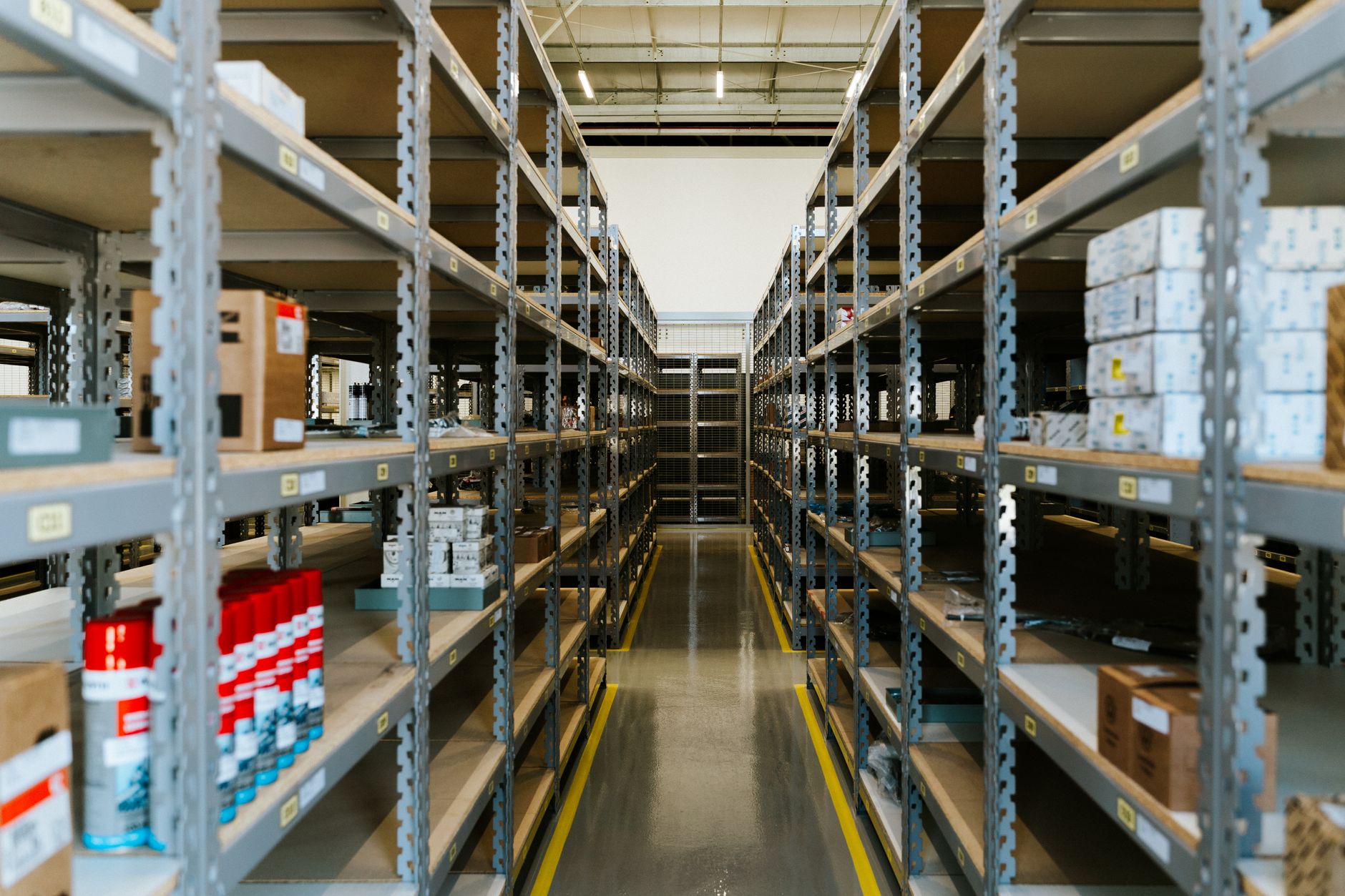
Manual single-pick could not scale with lane volume
The fulfillment module spans roughly nineteen hundred square meters and serves office-product and stationery clients under a third-party logistics contract. Orders mixed piece picks with case picks, and many lines involved dense paper goods that made cart-pushing single-pick physically punishing.
Labor pressure intensified as new distribution buildings opened nearby and hiring grew harder. Veteran pickers carried tribal knowledge in their routes, yet the operation still depended on a large floor team to keep single-pick lists moving through peak windows.
Leadership wanted a path that did not freeze outbound for a week-long install. They also needed proof that automation would pay back before committing to a capital-heavy goods-to-person layout.
- Single-pick lists across the full module
- Heavy forms and label stock on every cart
- Skilled staff tied to demanding transport work
- Rising competition for warehouse labor locally
Proof of concept first, then a seven-robot fleet
Exploration began in spring twenty twenty-two with vendor comparisons and on-site walkthroughs. A structured proof of concept ran for several months starting that November, using file-based order feeds before any deep warehouse-management integration.
Simulation work mapped travel times and pick durations so the team could see how autonomous mobile robot rental economics might look at real throughput. Minor aisle adjustments addressed congestion hotspots without rebuilding rack layouts.
Full go-live followed in April twenty twenty-three with seven units. Training lasted one to two days; most pickers grasped screen workflows within hours and then refined how they partnered with robots on the job.
- Site survey and travel-time modeling
- Several-month proof of concept with measured baselines
- Seven-robot deployment with two staffed pick stations
- Short operator training and on-floor coaching
- Floor displays for fleet visibility during dual-station work

Two people, seven robots, and a verified productivity jump
After implementation, two staff members run picking while the fleet handles repetitive transport between pick faces and pack stations. Productivity rose above one hundred eighty percent of the pre-robot manual single-pick baseline, the figure leadership tracked through the proof of concept and early production months.
Pickers work hands-free from carts because robots tow totes and cases. Managers now see task-level timing data, which helped spread efficient habits across the team instead of relying on anecdotal coaching alone.
The site continues regular performance reviews with its integration partner, tuning routes and station rules as order mix shifts. Leadership is evaluating a second building near a major port where hiring mirrors the constraints this module already faced.
What this pattern means for U.S. operators evaluating AMRs
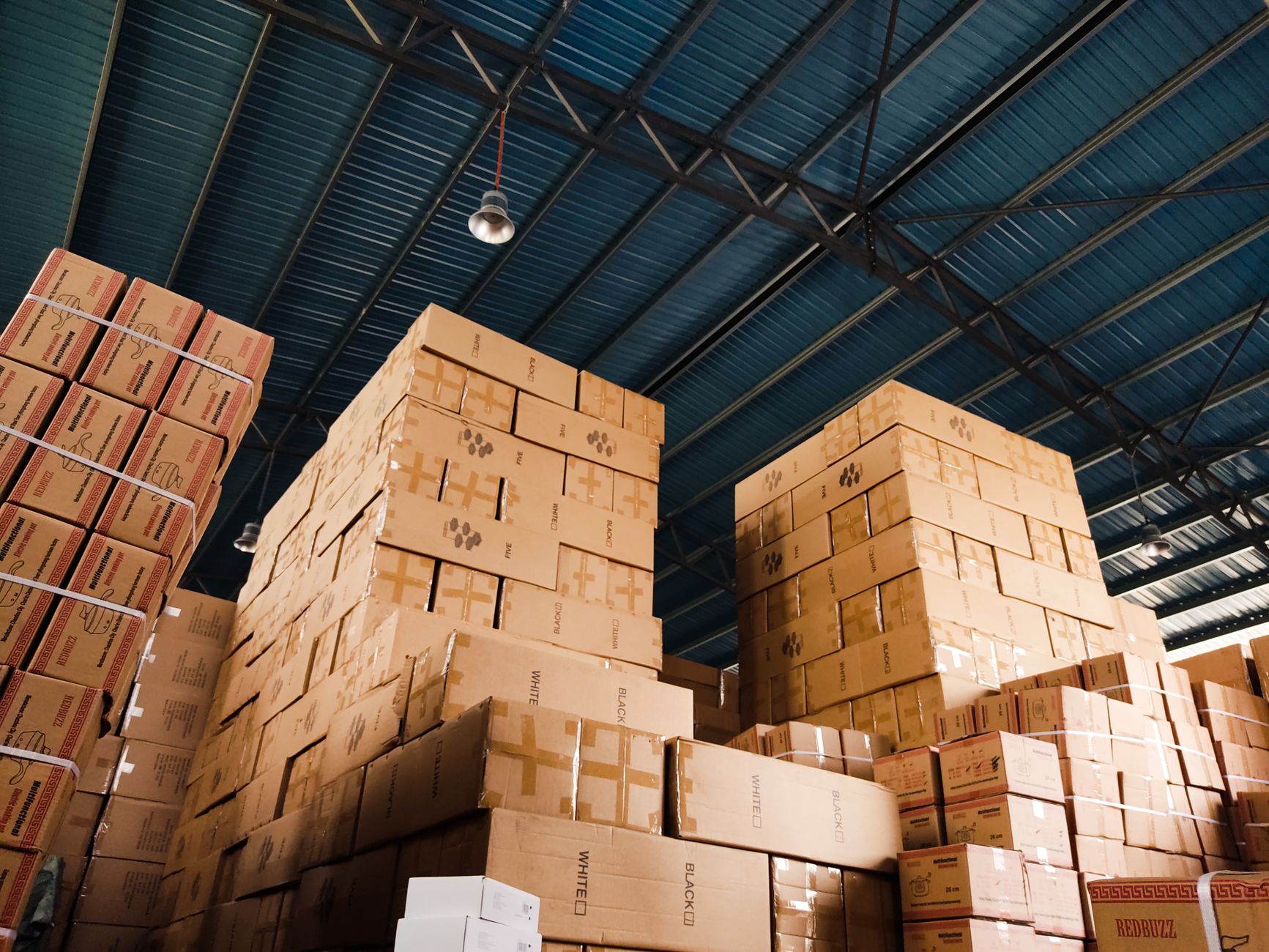
Service Robot Co. is a full-service, OEM-neutral commercial robot integrator for U.S. businesses. We shortlist autonomous mobile robots across manufacturers, then finance, deploy, integrate, train, and service every unit through a nationwide engineer network. One vendor covers assessment through spare coverage.
This anonymized module shows why many 3PLs start with month to month robot rental or a structured pilot program instead of betting on a fixed rack automation design. When ceiling height stays modest and travel legs are long relative to shelf time, cart-towing AMRs often return labor faster than a full shutdown install.
If your floor resembles a nineteen-hundred-square-meter mixed pick environment, we can map a proof of concept with the same discipline: baseline productivity, phased rollout, and verified metrics before you scale fleet size.