
a country club in coastal Connecticut managed by a multi-course operator
How a Connecticut Country Club Maintains Every Fairway With 29 Autonomous Mowers
A documented Connecticut club runs 29 solar-charged autonomous fairway units on every fairway, freeing agronomy staff for detail work without cutting headcount.
- 29
- Autonomous units
- All
- Fairways covered
- 1.5 ac
- Per charge
- Solar
- Charging
Based on a documented real-world deployment. Figures are from public reporting; the organization is not named.
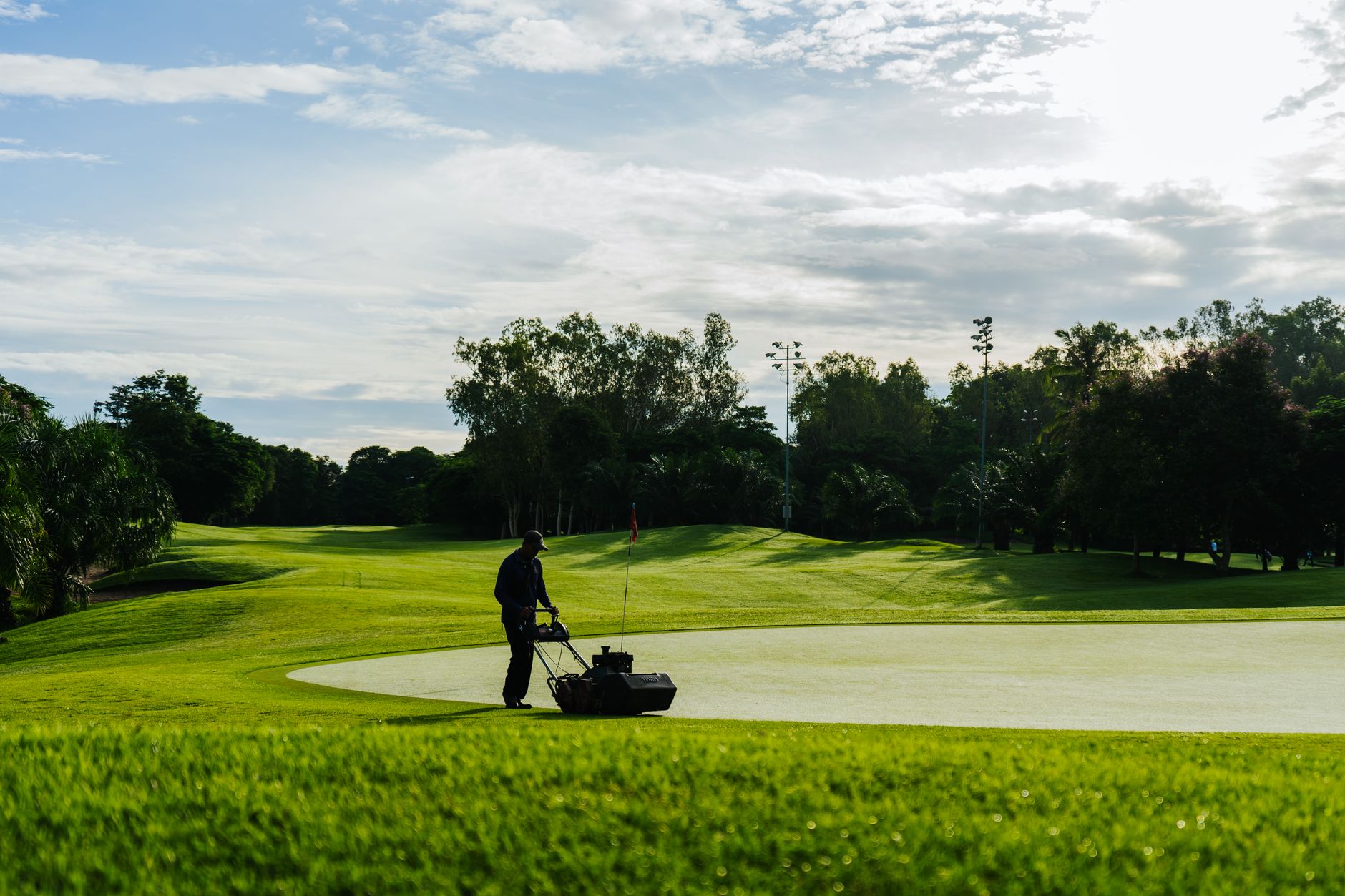
Fairway Labor Competing With Detail Work
A country club in coastal Connecticut needed fairways that stayed consistent through spring frost, summer heat, and fall leaf cover without pulling skilled greenkeepers off bunker and surround work. The property sits in a multi-course portfolio that struggled to find enough help even as play rebounded after regional lockdowns.
Traditional fairway mowing tied experienced staff to long seat hours while detail tasks like bunker edges and presentation work waited. Leadership wanted a technology path that reallocated people, not simply cut the roster.
Tree management had recently opened more sunlight across the course, making solar-powered charging stations feasible where shade blocked other portfolio properties.
- Maintain every fairway without growing seated mower hours
- Keep skilled staff focused on detail presentation tasks
- Use solar charging where trenching electrical lines was cost prohibitive
Solar-Charged Autonomous Fleet Across the Property
The club installed 29 autonomous fairway units, each paired with its own solar-powered charging station spread around the course. Installers placed stations where recent tree work allowed direct sunlight after golfers had complained about visibility.
Published reporting says each unit can mow about 1.5 acres on a single charge before returning to its dock, then resume where it stopped. Height of cut was set near fifteen millimeters with a goal to tighten toward twelve to thirteen millimeters as the program matured.
Units run on satellite guidance, handle slopes up to forty-five degrees, and use obstacle detection to pause when a cart blocks the path. Staff interaction is mostly blade changes every ten to fourteen days and blowing clippings from undercarriages and docks.
- Map fairways and charging station sunlight before first season
- Deploy one autonomous unit and solar dock per fairway zone
- Set cut height and return-to-dock thresholds in the fleet app
- Schedule blade swaps and dock cleaning on a ten to fourteen day rhythm

Every Fairway on Autonomous Schedules

After troubleshooting through a fall install, the club entered its first full spring-to-fall season with autonomous units handling all fairway mowing. Leadership reports the fleet is largely trouble-free once organic buildup is cleared from decks and docks.
Contrary to a labor-cut narrative, the operator increased staff while using the fleet to reallocate hours toward detail work members notice. Fairways stay on schedule while greenkeepers spend more time on presentation tasks.
Solar charging avoided the cost of running electrical lines across the entire property, which leadership cited as a deciding factor alongside the technology story.
What Other Clubs Should Ask Before Going All-In
This is a documented real-world example, not a Service Robot Co. deployment. It shows how a sunny, tree-cleared layout can support a large autonomous fairway fleet with per-unit solar docks.
Service Robot Co. maps fairways, rough, and paths separately, stays vendor neutral, and packages autonomous mowing with clubhouse scrubbers and lot cameras when a property wants one monthly program. Buy or lease financing, deployment, training, and RoboCare support are built for clubs that need predictable fairway coverage without guessing charger placement.