
a western Japan fulfillment center serving packaged consumer brands
How a Consumer-Goods Logistics Hub Doubled Picking Productivity With AMRs
A western Japan 3PL hub cut picker walking in half and nearly doubled throughput with a 12-robot AMR fleet after a one-day proof of concept.
- ~2x
- Picking output
- 50%
- Staff need
- 50%
- Daily walking
- 12
- AMR units
Based on a documented real-world deployment. Figures are from public reporting; the organization is not named.
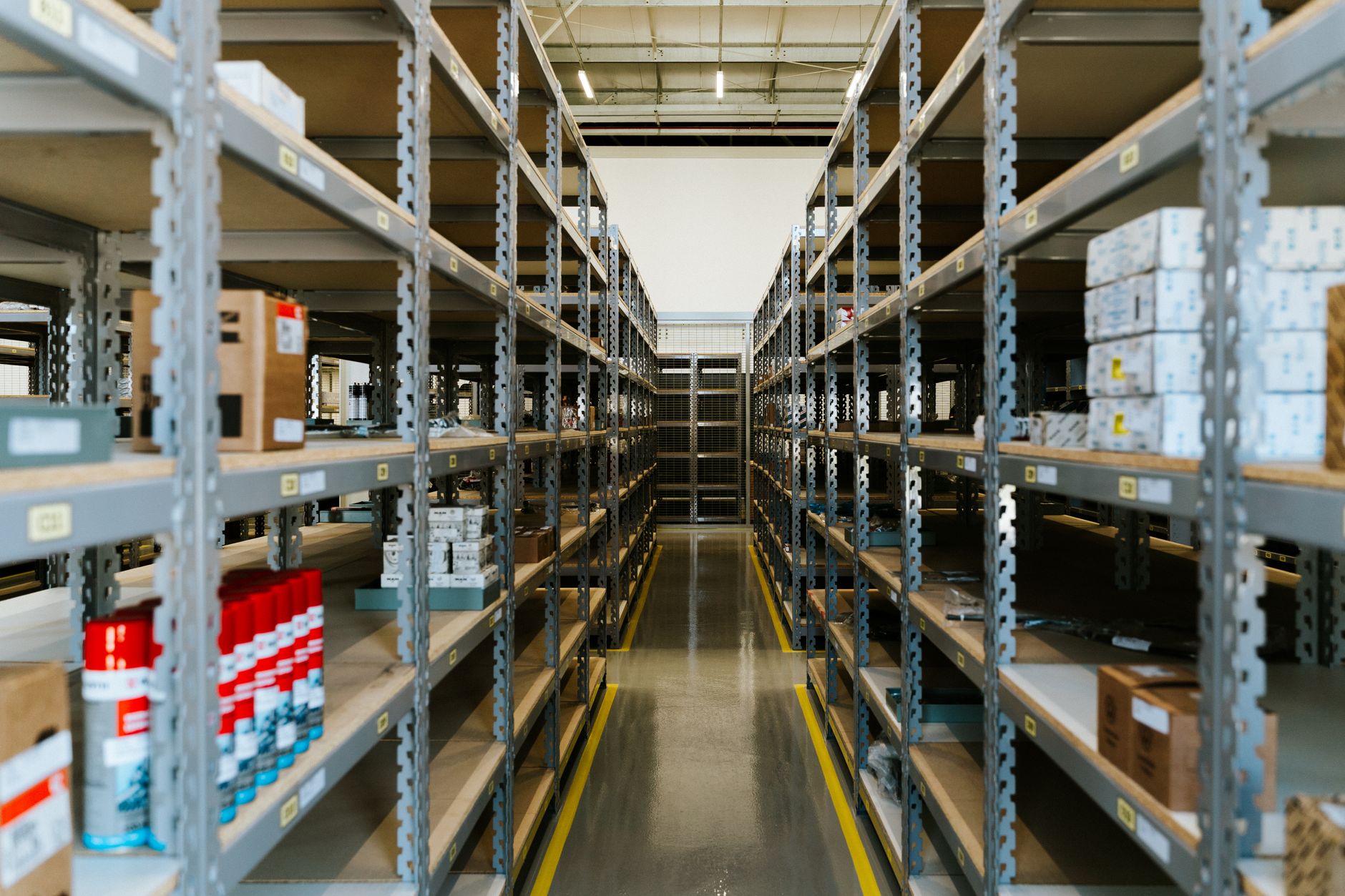
Manual carts across a wide floor
Pickers at a western Japan fulfillment center serving packaged consumer brands pushed heavy carts through long aisles every shift. Site leaders reported daily walking near 20,000 steps per person, with fatigue showing up fastest on cart pulls.
A major consumer-goods client asked the third-party operator to raise productivity and trim labor without freezing outbound service. Labor pressure had been building for years, so another manual workaround was not an option.
- Cart-based picking strained shoulders and backs
- Walking distance dominated each shift
- Client demand required measurable productivity gains
AMRs after a year of vetting
The operator spent about a year comparing fixed automation. Conveyors and guided vehicles looked costly and rigid for a hub that still reshuffles SKUs. Goods-to-person AMRs won because other company sites already ran them successfully.
Managers and floor staff from the client toured a live reference site, then the hub ran a proof of concept with two to three days of on-site prep and a single test day. The larger XL tote format was validated against real product dimensions and aisle clearances before the July 2024 production start with twelve units.
- Benchmark multiple AMR vendors
- Host client walkthrough at a running site
- Run a one-day proof of concept
- Train pickers on large-screen interfaces

Measured gains on the floor
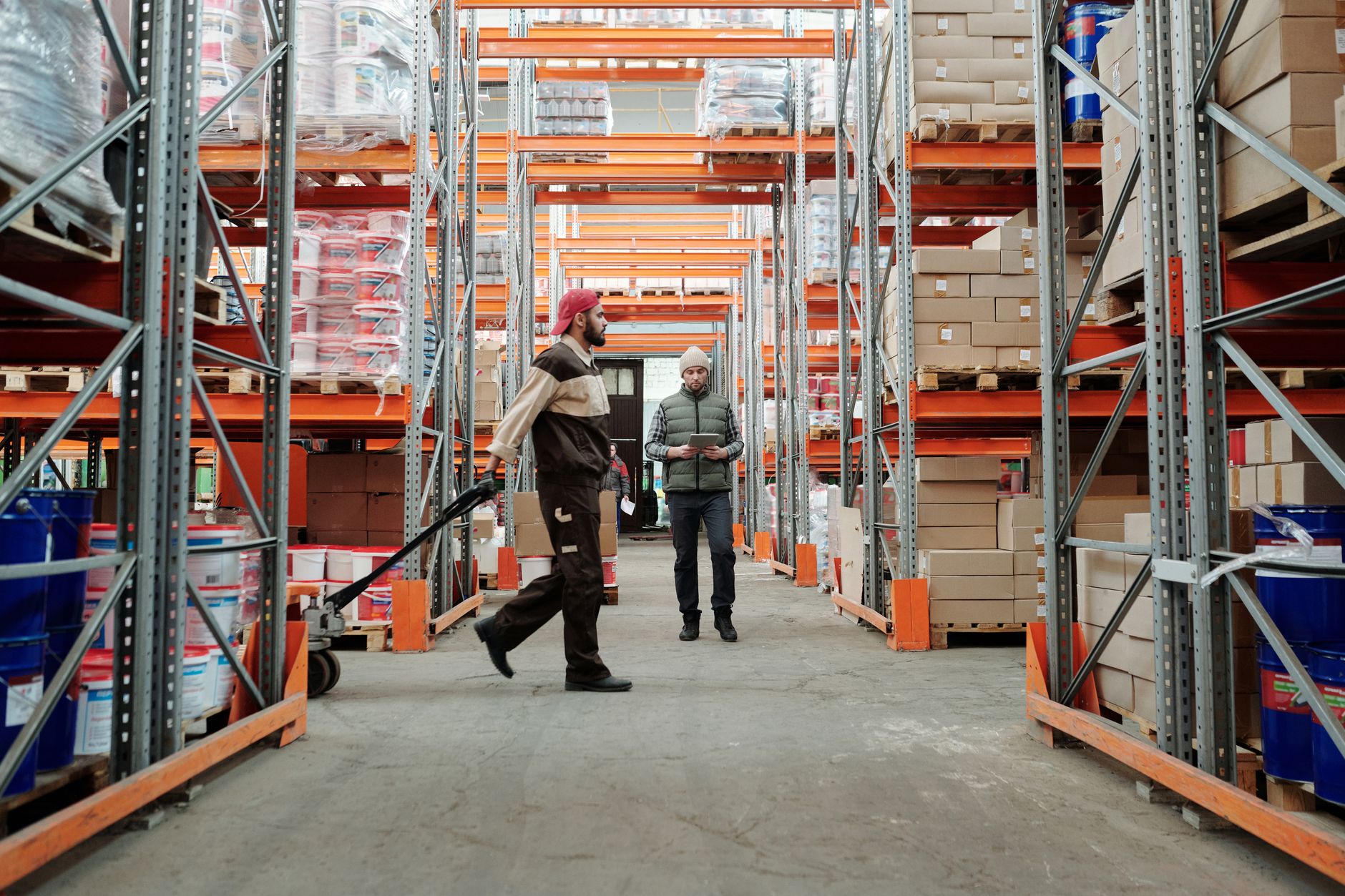
After go-live, leaders estimate daily walking per picker fell by about half from the prior 20,000-step norm. Picking productivity nearly doubled, and the headcount required to run picking dropped by half compared with the old cart workflow.
Floor staff now walk to pick locations without dragging loaded carts across the building. Feedback highlighted easier shifts, especially for team members who struggled with the old cart pulls. Screens and guided next-task prompts shortened the learning curve after a few formal training sessions.
What US 3PLs can borrow
The pattern is familiar on this side of the Pacific: when walking and cart handling eat the shift, goods-to-person AMRs buy back hours without pouring concrete for fixed automation. Service Robot Co. stays vendor-neutral, maps the pick paths, finances buy or lease options, and keeps units running through RoboCare once they are live.
A short proof of concept on your SKUs beats a slide deck. We help you set success metrics, stage the fleet beside your WMS or host system, and train leads before you commit to a full count.