a large consumer-products manufacturing plant
How a Consumer Products Plant Saved Eight Daily Hours With Robotic Tote Assembly
See how a consumer-products plant saved eight labor hours per day and reassigned one full-time worker with robotic corrugated tote assembly and vacuum grippers.
- 8 hr/day
- Labor hours reclaimed
- 1 FTE
- Worker reassigned
- 9 grippers
- Vacuum units on one arm
- 2 workers
- Prior manual staffing
Based on a documented real-world deployment. Figures are from public reporting; the organization is not named.
Manual tote builds strained backs and floor space
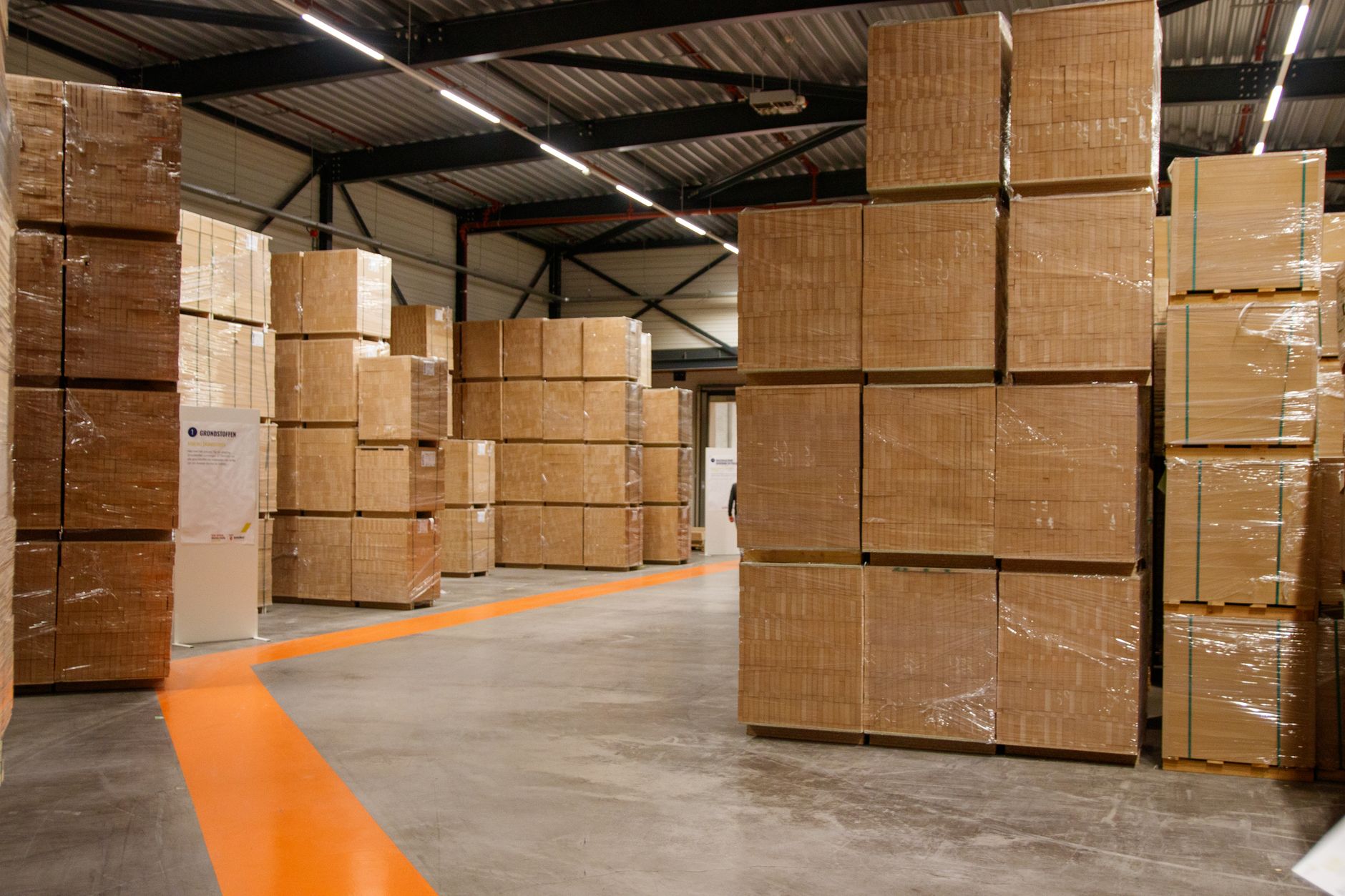
A large consumer-products manufacturing plant stacked heavy-duty corrugated totes on pallets through a fully manual line. Two employees lifted bulky containers, bent repeatedly, and hand assembled each unit onto individual pallets. The work was slow, ate floor space where totes piled at shift start, and carried clear repetitive motion and back strain risk.
Leadership wanted end of line robotics that cut material handling time without trading one ergonomic hazard for another. They also needed a compact cell that would not consume the open floor area crews used for downstream equipment.
- Two operators per shift on lift and assembly tasks
- Bulky corrugated totes with uneven, porous surfaces
- Repetitive bending and lifting exposure
- Cluttered pallet staging at line start
Nine vacuum grippers on one palletizing arm
An integration partner designed a tote assembly cell around a four axis palletizing robot and dual function vacuum end of arm tooling. Nine integrated vacuum gripper modules, each with wide suction cups sized for corrugated, mounted on the arm so one cycle could secure leaky, coarse box surfaces without a central vacuum line that loses pressure at the tool.
The grippers use multi stage ejector technology built into each module, which keeps the pump close to the cup and tolerates plant air pressure dips below typical shop thresholds. Engineers phased installation in fall 2004, validated pick stability on production totes, then trained floor leads on recovery routines before running at line rate.
- Match suction cup material to porous corrugated totes
- Cluster nine gripper modules on one palletizing arm
- Prove picks at operating air pressure before full rate
- Reclaim floor space by eliminating manual pallet stacks
Eight hours back and one role redeployed
Almost immediately after startup, plant leadership tracked about eight labor hours saved per day on the tote assembly task. That gain freed one full time employee for higher value work elsewhere in the plant rather than permanent layoffs.
The robotic cell also removed the daily bending and lifting cycle that had defined the old process. Floor layout improved because tote stacks no longer consumed the wide staging area at the line head, giving crews room for additional machines and cleaner walkways.
Success on this line led the plant to commission a follow on multi lane palletizing project for finished goods, using the same vacuum tooling approach at higher speed.
What packaging leaders should take from this pattern
This documented example is not a Service Robot Co. deployment. It shows why consumer goods plants evaluate robotic tote assembly when corrugated handling still depends on two person lifts. The winning move is pairing the right end of arm vacuum strategy with a palletizing class robot sized for your case weights, then financing and servicing the cell through one partner.
Service Robot Co. acts as a vendor neutral integrator for manufacturing plants weighing cobot rental, palletizing robot lease paths, or purchase with nationwide dispatch. We map the line, select hardware across manufacturers, and stay on call for remote triage and on site repair so an eight hour daily win does not evaporate when a gripper cup wears out mid quarter.