
a high-volume transshipment container terminal
Port Case Study: Vacuum Mooring Cut Securing Time 71%
A high-volume transshipment container terminal cut mooring time from 40 minutes to 10 and improved crane cycle times 3 to 11 percent with vacuum mooring.
- 71%
- mooring time cut
- 40 to 10 min
- secure time
- 23%
- unmooring cut
- 3 to 11%
- crane cycle gain
Based on a documented real-world deployment. Figures are from public reporting; the organization is not named.
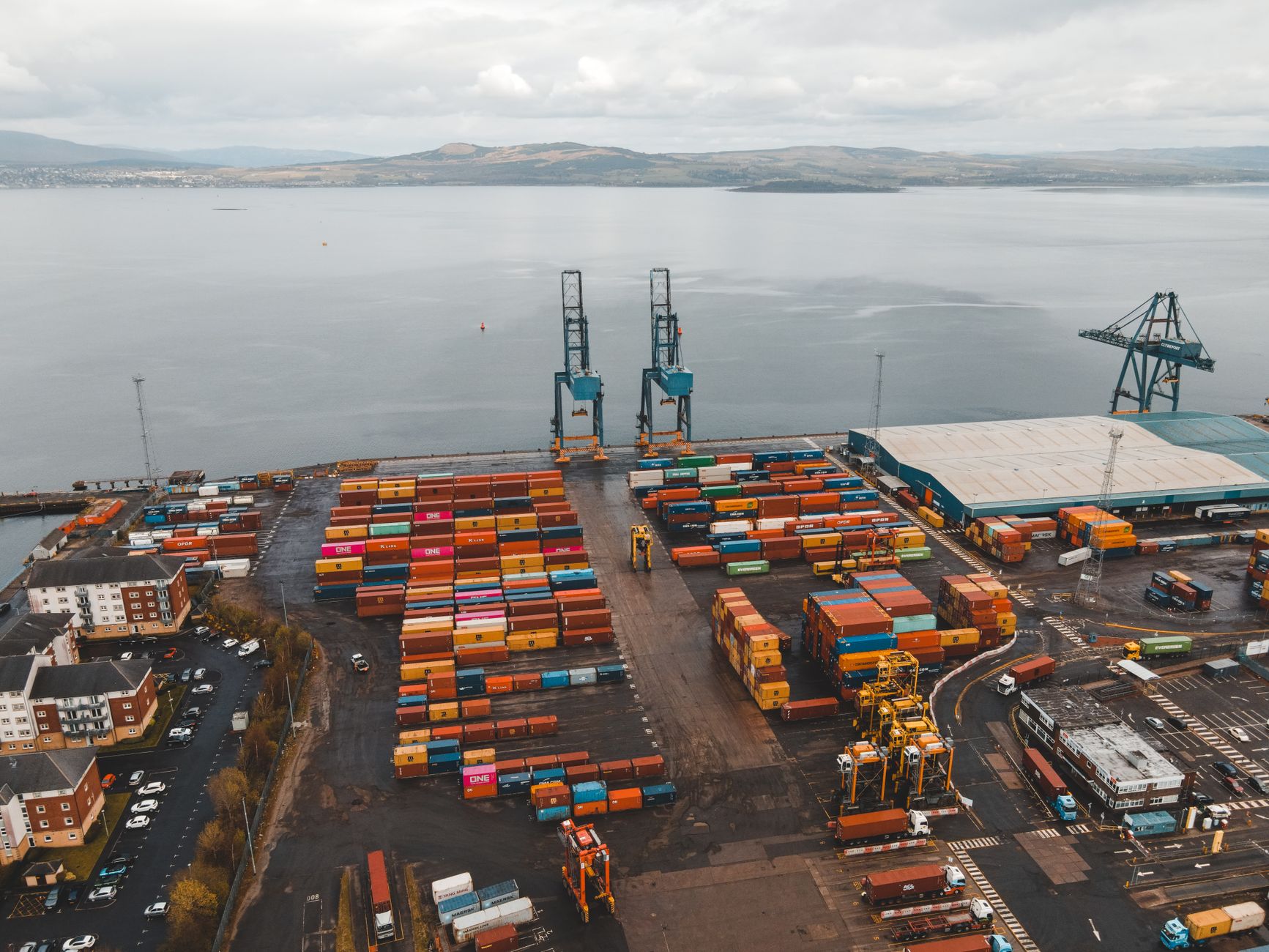
The Berth Bottleneck
At this high-volume transshipment container terminal, the berth was not just a parking point for a vessel. It was the opening move in the whole cargo sequence. Conventional mooring lines took 40 minutes to secure a ship, so valuable berth time was already slipping away before crane work could settle into rhythm.
The deeper friction sat in vessel motion at the ship-shore interface. When the ship moved against the quay, crane productivity suffered, and the public source treats that as more than a nuisance. It was a direct operating constraint in a terminal that was already performing at a high level.
- Conventional mooring lines required 40 minutes to secure a vessel
- Ship movement constrained crane productivity during cargo work
- The operation needed faster vessel securing and a steadier working platform at the berth
Automating the Ship-Shore Interface
The terminal replaced traditional mooring lines with an automated vacuum mooring system. In the source material, the system was installed on 2 berths, shifting the berth interface from rope handling to automated attachment and release.
The evaluation was grounded in operating data rather than a staged demonstration. The study tracked mooring and unmooring times for around 20 vessels per month and paired that with analysis of more than 130,000 crane cycles. That gave the terminal a clear read on both berth handling speed and crane behavior.
The public account is stronger on operating evidence than on rollout choreography. It does not lay out a long training narrative, but it does show a disciplined adoption pattern: change the berth process, measure it at scale, and judge the system by what it does to vessel handling and crane performance.
- Replaced conventional mooring lines with automated vacuum mooring
- Applied the system on 2 berths
- Measured berth handling time and crane cycles together
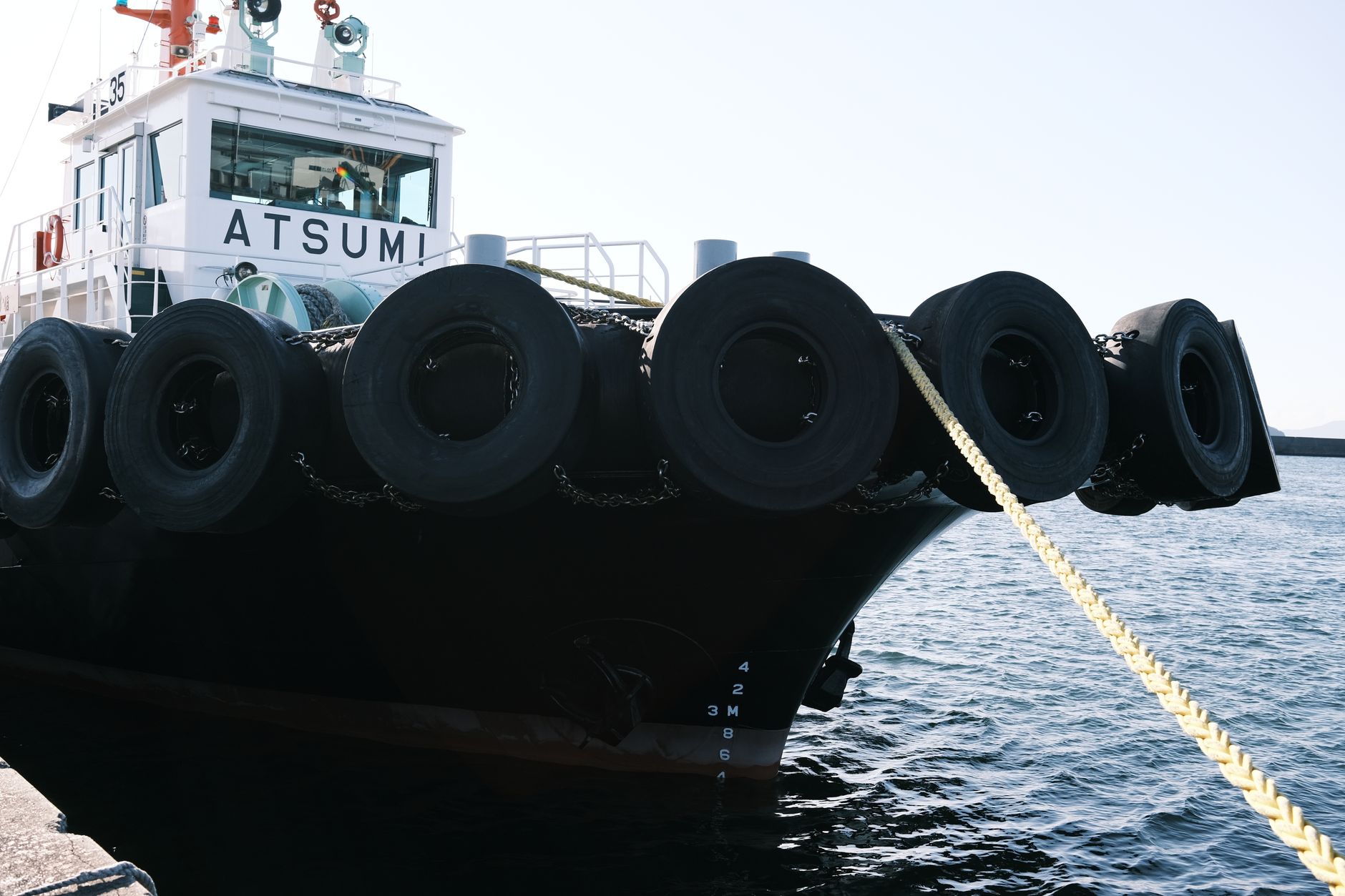
Measured Gains at the Quay
The headline result was stark. Mooring time fell 71%, from 40 minutes to 10. Unmooring time also dropped 23%, from 13 minutes to 10, trimming time at both ends of the vessel call.
The payoff did not stop at the bollard. Across more than 130,000 crane cycles, the study found 3 to 11% faster cycle times, depending on deck position and weather conditions. In port terms, that is the difference between faster securing and a berth that also works cleaner once loading and unloading begin.
What This Means for U.S. Port Operators
For U.S. port operators, this is the important read-through. Automation at the berth can pay twice when it is aimed at the real choke point: first by compressing vessel secure and release time, then by stabilizing the ship enough to help crane work stay consistent. That is a stronger case than labor substitution alone.
Service Robot Co. is a full-service, OEM-neutral commercial robot integrator for US businesses. For ports, that means a vendor neutral robot integrator that can run site assessment mapping, compare systems across manufacturers, support robot deployment and integration, arrange robot leasing for business or monthly payment programs when capital flexibility matters, then carry crew training, RoboCare™ service, remote triage, on-site dispatch, and one partner one number through the full lifecycle.