a large pure-play contract logistics distribution center in the Midwest
How a Contract Logistics Campus Cut Local Crime Index 13% With Robotic Patrols
A Midwest logistics distribution center paired aerial and ground patrol robots with remote monitoring and cut its local crime index 13% in year one.
- 13%
- Crime index drop
- 9,500+
- Aerial missions
- 819+
- Alarms cleared
- 94.8%
- Landing success
Based on a documented real-world deployment. Figures are from public reporting; the organization is not named.
Perimeter gaps on a high-value campus
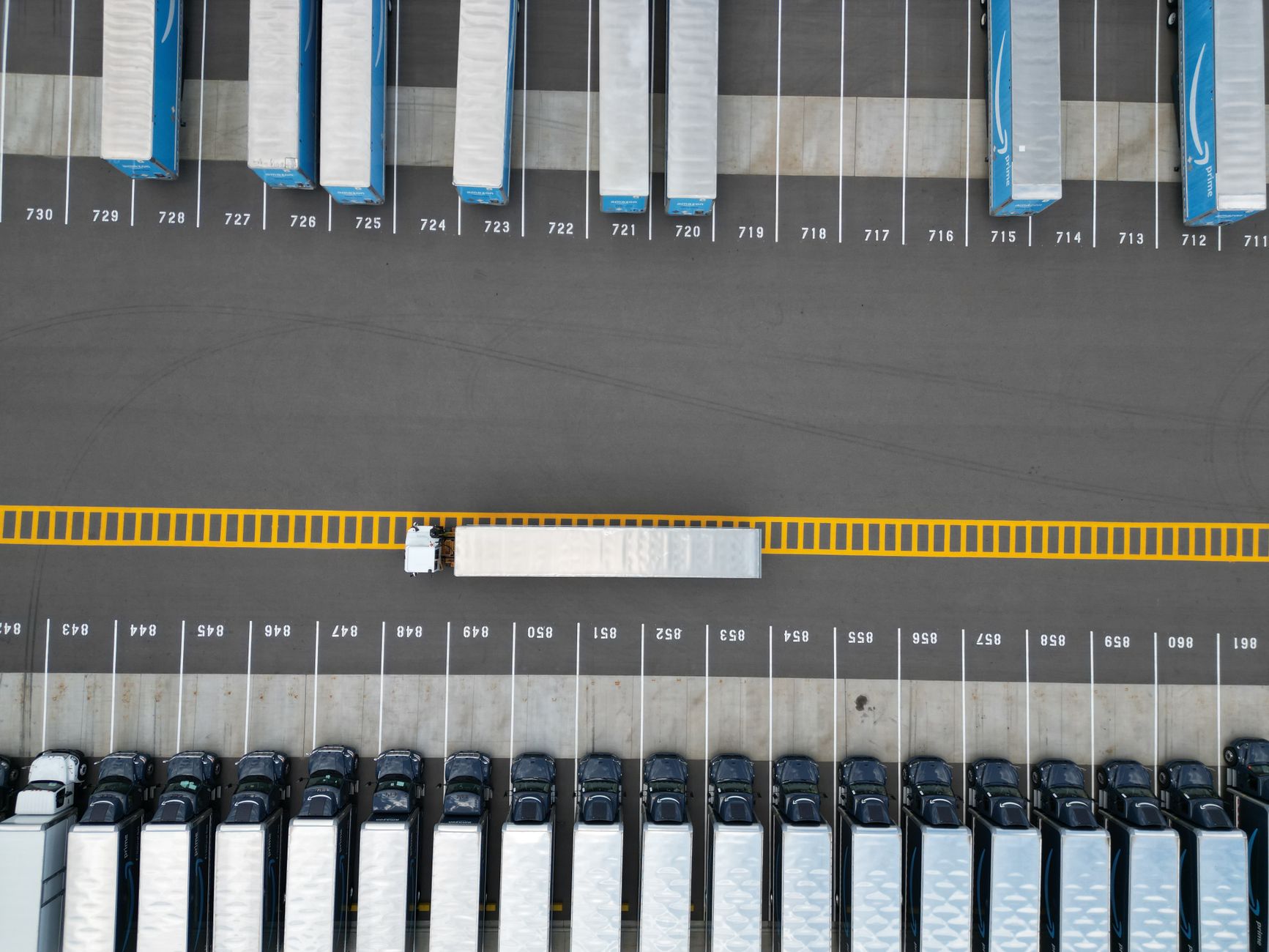
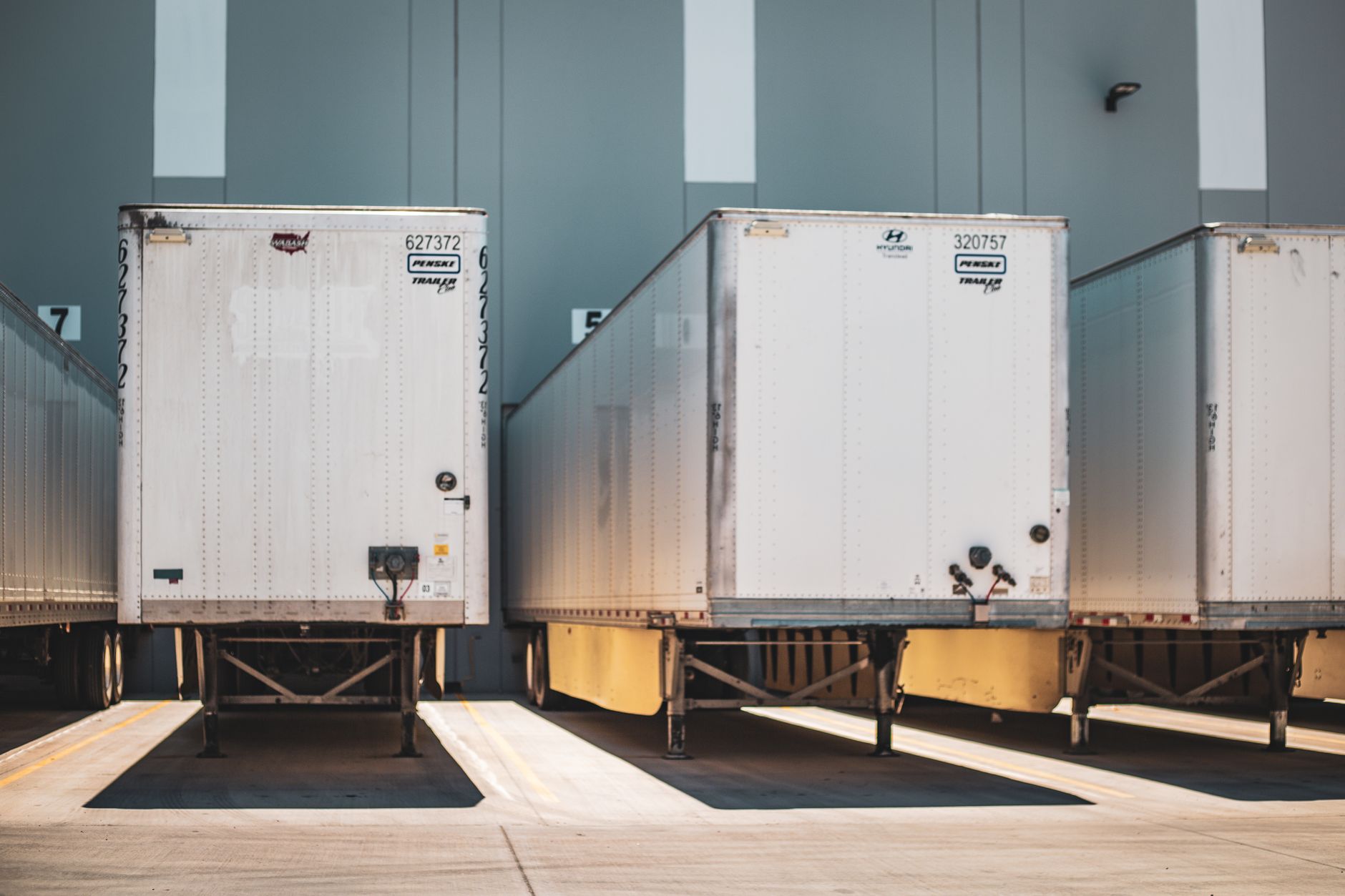
A large pure-play contract logistics distribution center in the Midwest stores customer inventory across a sprawling yard and building envelope. Guard tours and fixed cameras struggled to cover fence lines, trailer rows, and blind corners at night.
Labor for repetitive patrol work was hard to hold steady while alarm volume created fatigue. Leadership wanted faster verification when sensors tripped without sending people into uncertain situations alone.
- Long fence lines and variable sight lines around the yard
- Alarm fatigue from events that needed eyes on scene quickly
- Pressure to protect high-value freight without expanding headcount
Air and ground patrols with remote oversight
The operator worked with an integration partner to field automated aerial patrol units and a ground patrol robot tied to a remote security operations center. The aerial unit could launch for alarm response and scheduled perimeter checks, while the ground unit extended coverage along driving lanes and fence lines.
Battery swap and docked recharge let missions continue with less downtime than manual flight crews. Analysts in the remote center could route missions, review live video, and document what happened before onsite staff arrived.
- Map patrol routes and no-fly boundaries with site security
- Pair scheduled perimeter flights with alarm-triggered launches
- Run ground patrol loops where wheels beat rotors for close-in views
- Train onsite leads on escalation paths and daily health checks
Measured perimeter outcomes
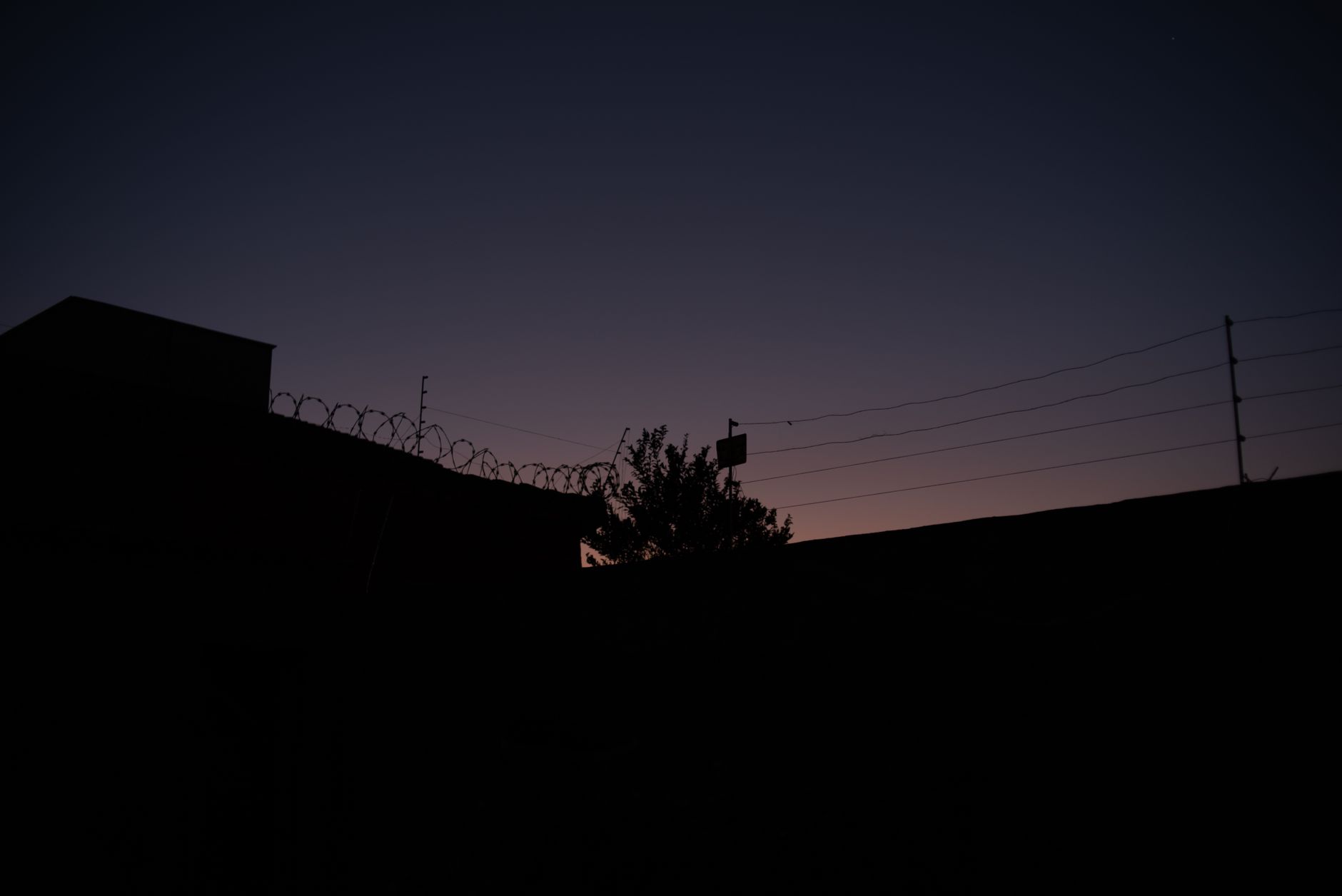
Public case materials tied to the program report a 13% reduction in the local crime index within the first year at one site, using comparable crime-index data before and after activation.
The same materials cite more than 9,500 automated aerial missions, more than 819 security alarms cleared with drone response, and a 94.8% autonomous landing success rate across sites and wind conditions. Ground patrol distance reached hundreds of miles in early deployment windows, extending how much fence line could be checked without adding foot patrol hours.
What operators can take from the pattern
This deployment was not run by Service Robot Co. It is a documented example of how contract logistics sites can combine autonomous patrol robot rental style programs with integration and 24/7 oversight when labor for guard tours is tight.
Service Robot Co. stays vendor neutral for security patrol robot rental and related categories. We help US businesses select units that fit the yard, finance on monthly programs, deploy with mapping and training, and service through a nationwide network of regional service engineers after a free site assessment.