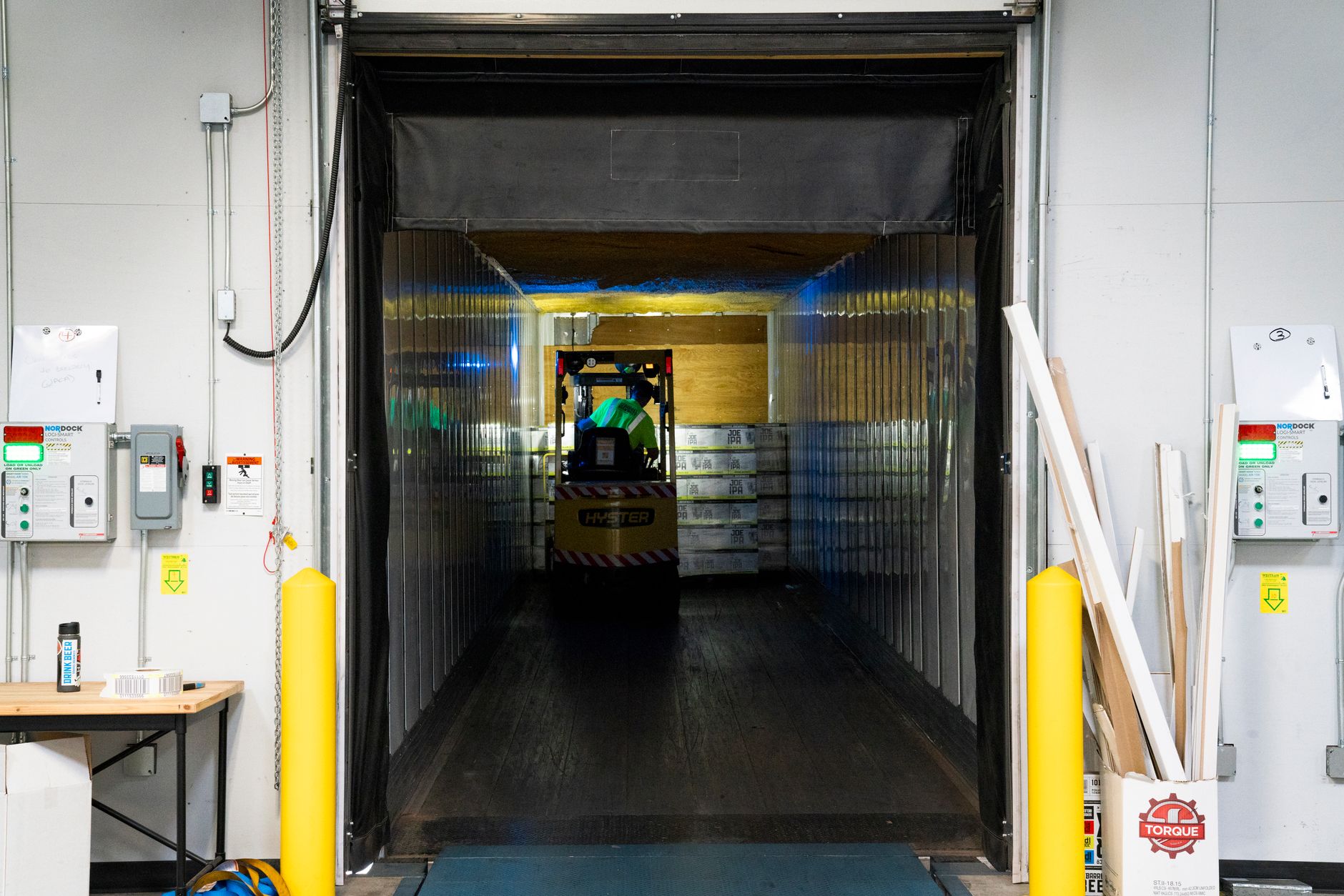
a large third-party logistics campus in the Indianapolis metro
How a Contract Logistics Campus Saved 42% of Case-Picking Labor Hours With AMRs
A major 3PL campus deployed pallet-jack AMRs for case picking, saving more than 42% of labor hours and nearly doubling workflow throughput versus manual jacks.
- 42%+
- hours saved
- 1.7x
- throughput
- Safer
- picker travel
- Flexible
- AMR deploy
Based on a documented real-world deployment. Figures are from public reporting; the organization is not named.
Case picking stuck on pallet jacks
The campus runs case picking across a national 3PL network where manual pallet jacks were the default workflow. Associates walked long distances between pick faces and pack areas, which made every multi-line order a time sink.
Stepping on and off jacks in busy aisles created ergonomic risk and congestion at peak waves. Leadership needed automation that could flex across buildings without a fixed conveyor project.
Infrastructure-heavy goods-to-person systems were ruled out for this workflow, so the team looked for mobile robots that could meet pickers in the aisle.
- Non-value travel on every pick path
- Pallet jack congestion in aisles
- Need for flexible, redeployable automation
Orchestrated human-robot case picking
The site deployed autonomous pallet jack AMRs with software that directs robots to meet pickers at the active pick face. Teammates build cases on the robot deck while the unit handles travel to the next zone.
The implementation rethought handoffs so robots, not people, carry loads across the floor. Training covered calling robots, confirming pick containers, and keeping high-velocity SKUs on verified scan paths.
Because the fleet uses onboard navigation, the operation could start on the busiest case-pick module and expand after supervisors validated throughput and safety metrics.
- Baseline manual case-pick times
- Pilot one module with AMR meet points
- Tune orchestration for peak waves
- Reassign saved hours to exceptions
Measured hours back and throughput up

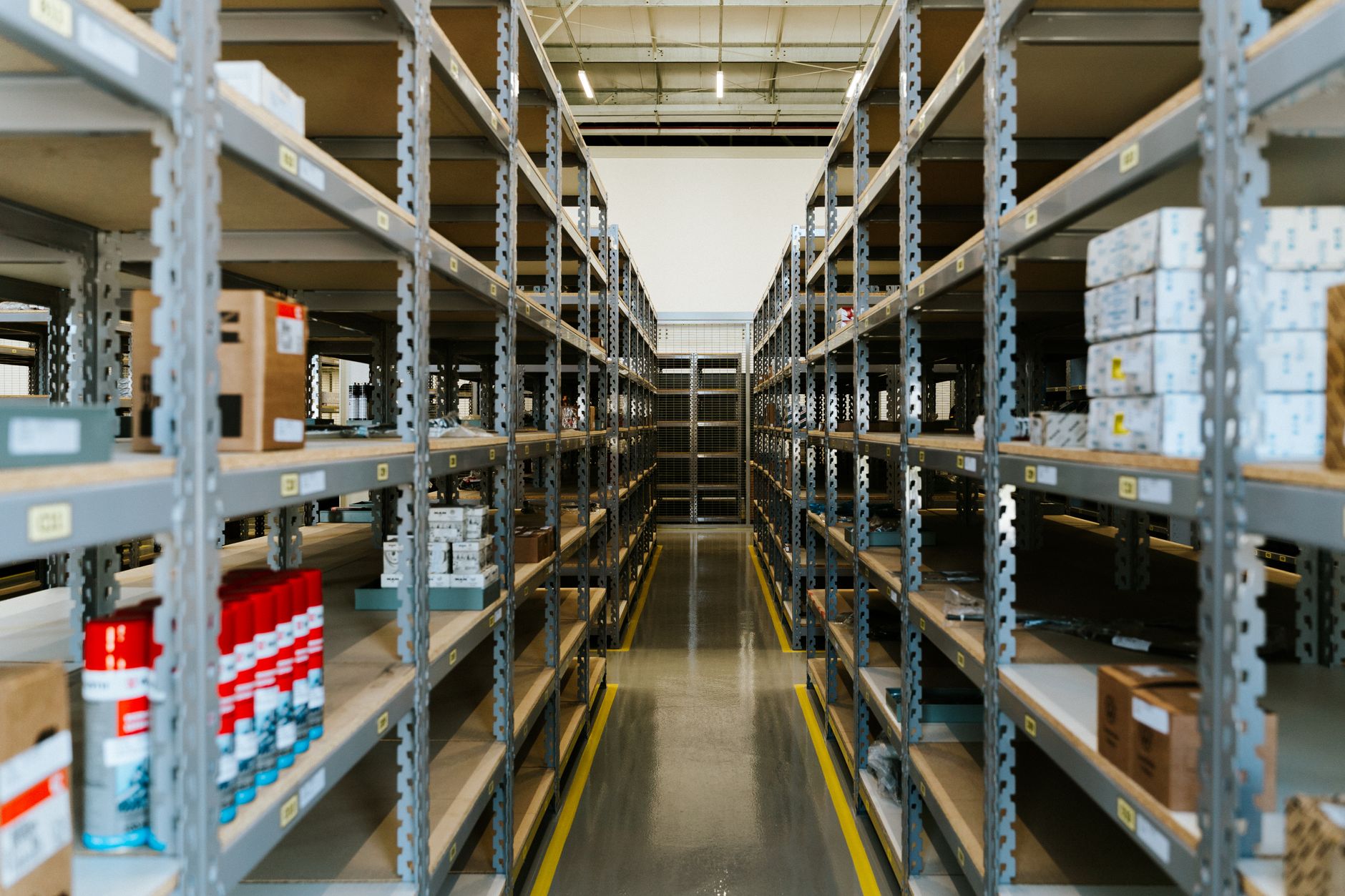
The operator reported labor hours savings exceeding 42% versus manual case picking, with workflow throughput up about 1.7x on the automated lanes. Pickers spent less time on jacks and more time building accurate cases.
Safety improved because associates were not constantly mounting equipment in traffic. Teammates moved to higher-value tasks while robots covered the repetitive miles.
This write-up analyzes a published deployment example. It is not a Service Robot Co. customer story.
What this means for your warehouse
Case picking is one of the last high-volume workflows still often manual because fixed automation is costly to move. Collaborative AMRs target travel while keeping humans on picks and checks.
Service Robot Co. compares warehouse robot rental and lease programs across vendors, integrates orchestration, and backs units with a nationwide network of regional service engineers.
If your 3PL or DC still loses hours to jack miles, a free site assessment can show whether a 40% class labor savings is realistic on your pick profile.