
a contract-logistics fulfillment facility
Picking AMRs Raise Contract Logistics Productivity 122%
See how a contract-logistics fulfillment facility used collaborative picking AMRs to raise productivity 122% and cut training from days to hours.
- 122%
- higher picking productivity
- 1.5 hrs
- emergency order turnaround
- Days to hrs
- associate training time
Based on a documented real-world deployment. Figures are from public reporting; the organization is not named.
Fulfillment Pressure Without Fixed Infrastructure
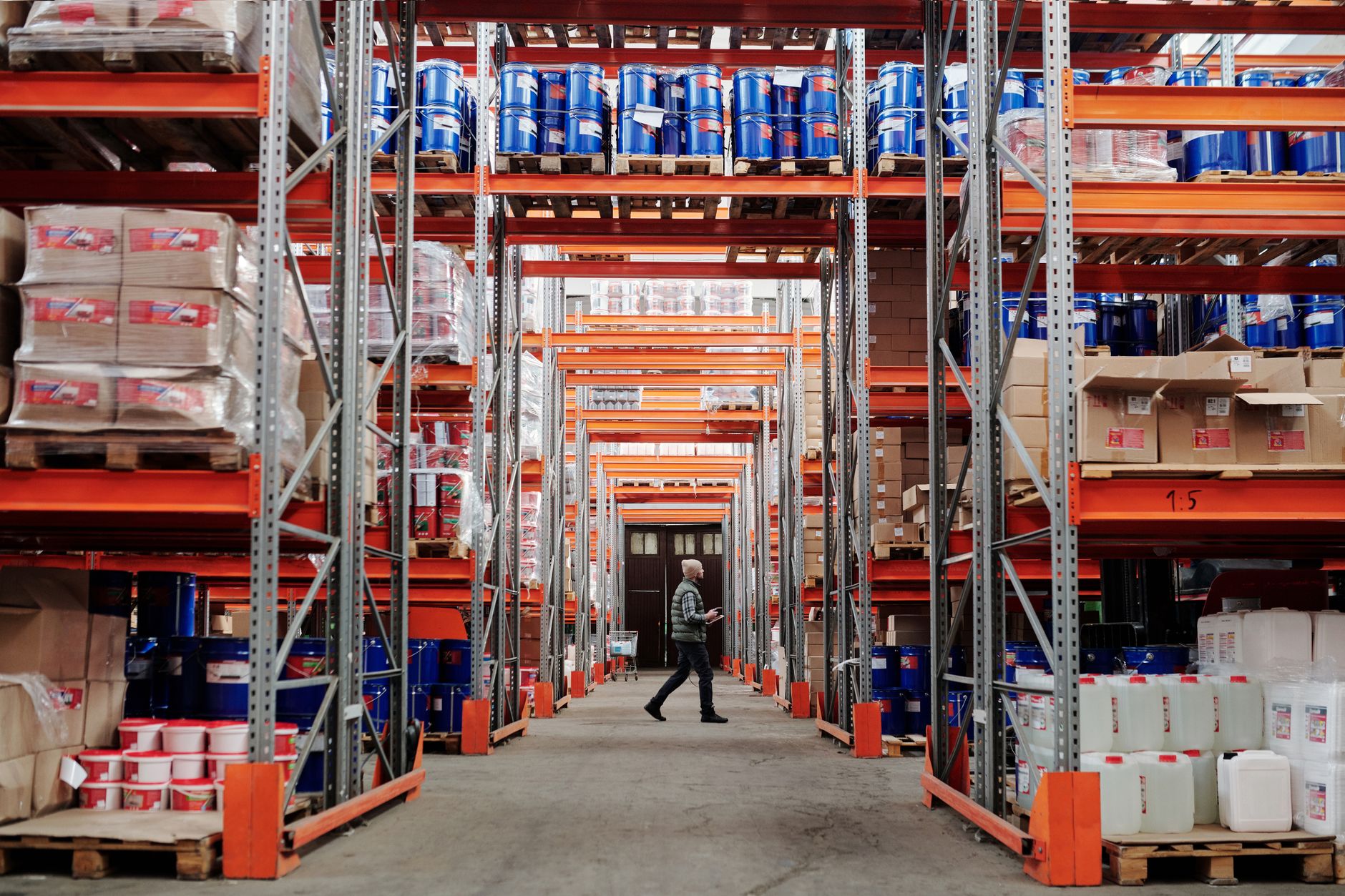
A contract-logistics fulfillment facility faced more intricate customer requirements, persistent labor pressure, changing order profiles, and tight shipping deadlines. It needed more throughput and accuracy without fixing every future workflow to rigid automation.
The difficulty was not simply moving orders faster. The operation also needed workforce flexibility, clearer operational visibility, and a foundation that could accommodate evolving customer demand.
- Increase picking output while protecting fulfillment accuracy
- Bring new associates into productive work faster
- Handle urgent orders against tight dispatch windows
- Preserve flexibility as order profiles and customer requirements change
A Staged Collaborative Picking Deployment
The facility selected collaborative picking AMRs and introduced them in stages. The initial deployment supported core fulfillment workflows, then the operation added another AMR configuration for bulk picking and greater capacity.
Associates worked alongside the mobile robots rather than handing the entire process to fixed machinery. Training was reduced from days to hours, making the operating model better suited to labor changes and shifting fulfillment priorities.
The published account does not specify the maintenance regime, rollout calendar, fleet size, or integration cost, so none is attributed here. For a comparable amr fleet deployment, buyers should define service ownership, response procedures, training, and go-live support before production begins.
- Match the AMR configuration to the picking workflow
- Introduce collaborative automation in operational stages
- Train associates around the live picking process
- Add bulk-picking capacity after the initial workflow is established
- Set service and escalation responsibilities before go-live
Measured Gains at the Pick Face
Picking productivity increased 122%. That result matters in contract logistics, where throughput must rise without eroding the accuracy and responsiveness promised to each customer.
Associate training fell from days to hours. The facility also achieved a 1.5-hour turnaround on emergency orders, showing that the operating model supported urgent work as well as routine volume.
The documented benefits extended beyond speed. The facility reported greater operational visibility, stronger workforce flexibility, and an automation foundation capable of supporting future growth.
What This Example Means for Buyers

This is an independently documented deployment that Service Robot Co. analyzes, not a Service Robot Co. client engagement. Its central lesson is clear: collaborative AMRs can raise pick performance while preserving the adaptability contract-logistics operations need.
Service Robot Co. is a full-service, OEM-neutral commercial robot integrator for US businesses. We assess the site, select equipment across manufacturers, arrange financing, handle robot deployment and integration, train the workforce, and service each unit through a nationwide US engineer network.
That lifecycle approach gives warehouse operators one vendor for selection, financing, deployment, training, and ongoing care. It also lets buyers compare an autonomous mobile robot lease or other financing structure against ownership while keeping operational fit, maintenance planning, and field support in the same conversation.