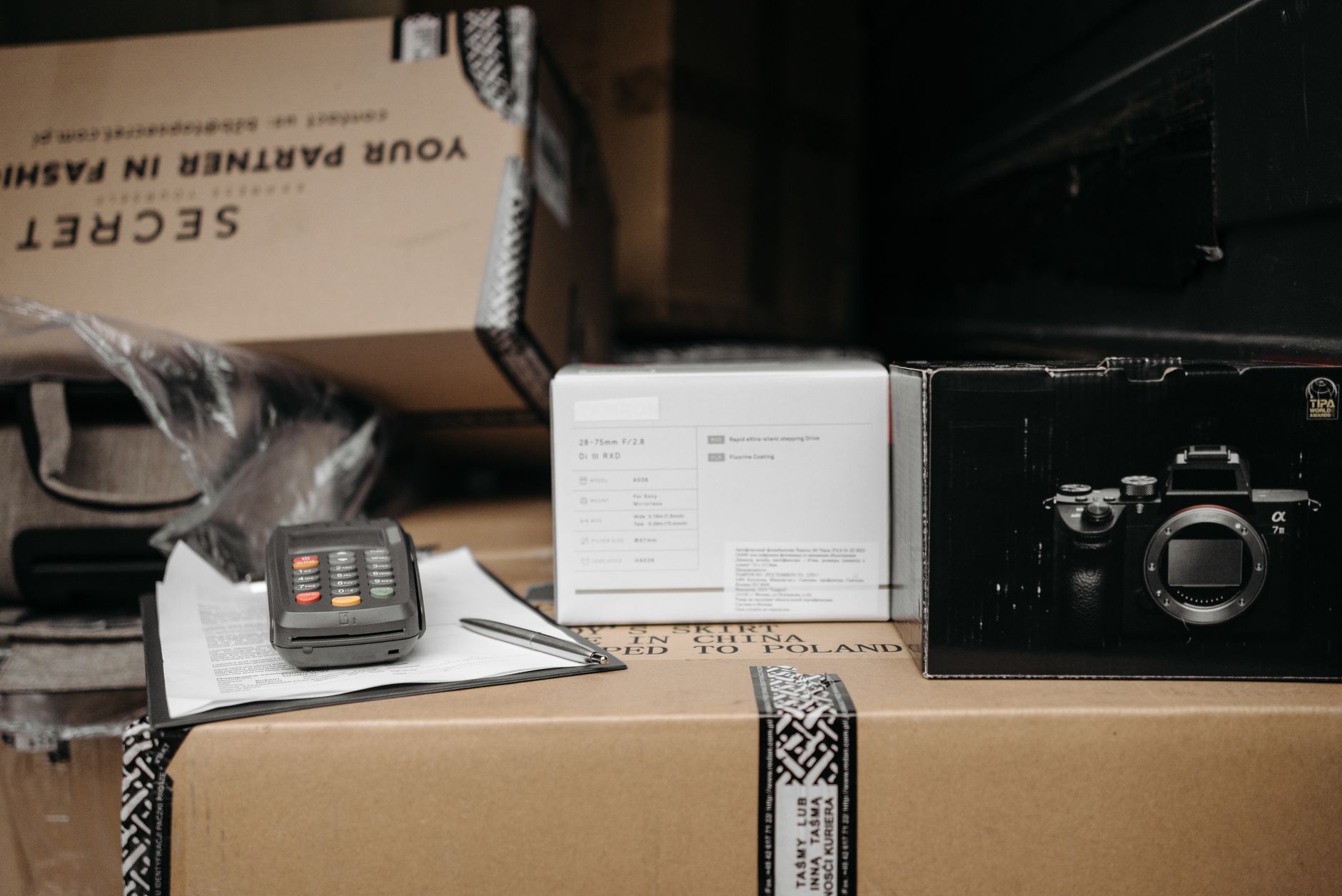
a contract logistics warehouse serving electronics manufacturers
How a Contract Logistics Warehouse Cut Wall-to-Wall Inventory Checks From 100 Hours to 2
A contract logistics site serving electronics makers replaced month-long manual stock counts with daily autonomous aisle scans, saving 98 hours a month.
- 98 hrs
- saved each month
- 2 hrs
- daily full scan
- 205 hrs
- yearly checks removed
- 2 wks
- to cleaner aisles
Based on a documented real-world deployment. Figures are from public reporting; the organization is not named.
When counts ate a week every month
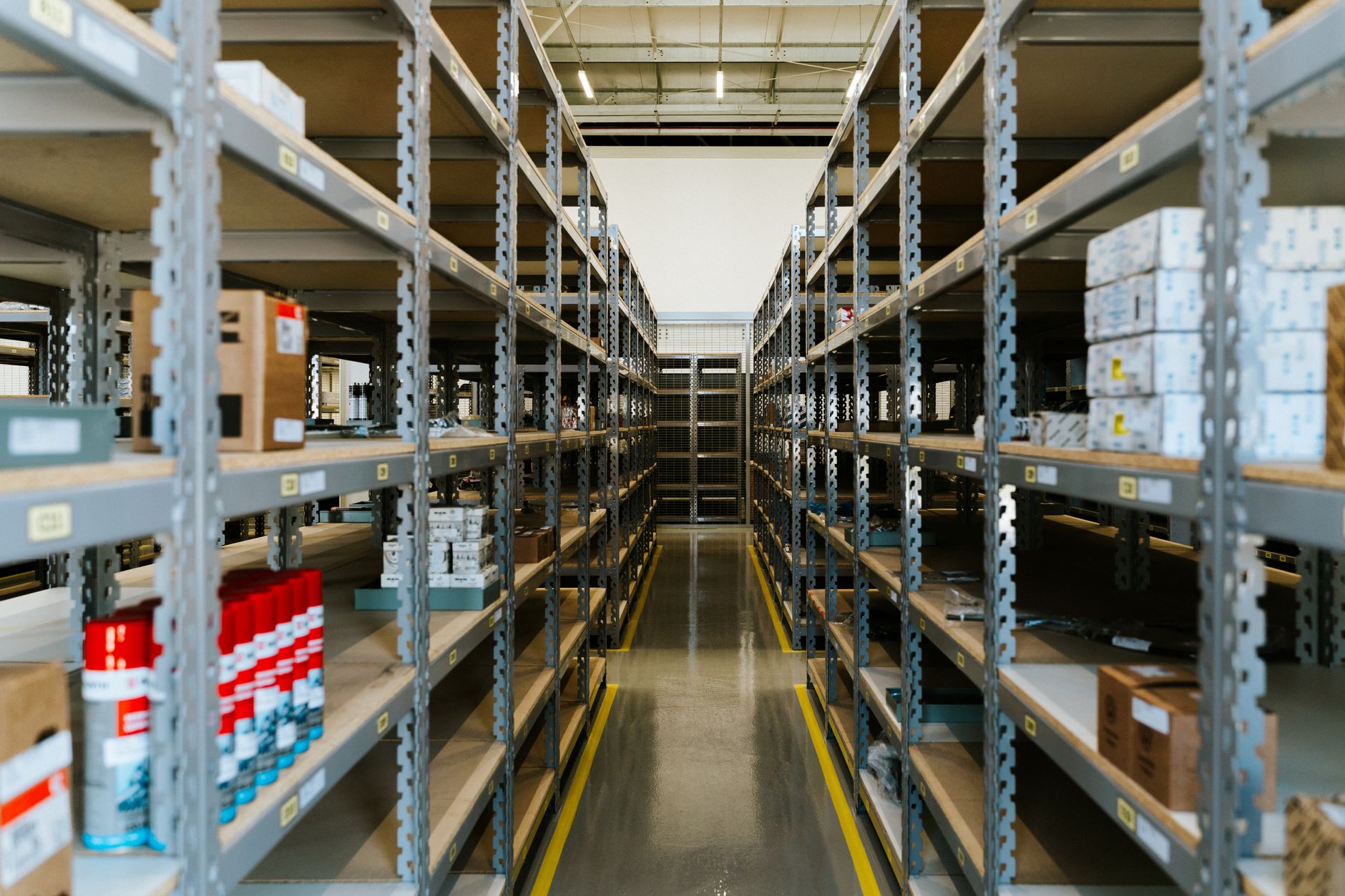
A contract logistics warehouse serving electronics manufacturers promised customers live visibility into inventory, yet wall to wall checks still chewed through more than 100 labor hours every month. Teams needed well over a week to finish a single pass, which kept overtime on the table and left little room to fix labeling drift or aisle clutter.
Twice a year the site still paused for full warehouse reconciliations, adding another heavy lift on top of routine operations. Leaders wanted ground truth without shutting down fulfillment or leaning on heroic manual sweeps.
- Month long manual counts tied up supervisors and floor staff
- Customer reporting lagged behind what was actually on the racks
- Biannual wall to wall events stacked on top of daily pressure
Daily autonomous scans instead of marathon counts
The operator paired autonomous aisle scanning robots with a visibility platform that maps inventory positions across the building. Rather than waiting for a monthly marathon, the fleet now completes a wall to wall pass in about two hours each day, feeding dashboards the team and their customers can trust.
Rollout focused on keeping docks active while routes were tuned aisle by aisle. Supervisors used the first weeks of data to coach labeling and housekeeping, because accurate reads depend on tidy faces and consistent slot marks.
- Pilot routes on high variance aisles before expanding coverage
- Train inventory leads on exception handling, not robot driving
- Review daily heat maps with customer account owners

Measured relief on labor and accuracy work
Wall to wall counting time fell from more than 100 hours per month to about two hours for the daily autonomous pass, a 98 hour monthly swing the site now books as reclaimed labor. Real time coverage also removed the need for two annual full warehouse checks, saving an additional 205 hours of work each year.
Within the first two weeks, managers reported clearer aisles and more consistent labeling, which made the scans more reliable and cut the manual spot checks that used to follow every count.
What this pattern means for U.S. operators
Contract logistics sites live and die on inventory truth. When counts are slow, every customer conversation starts with "let me verify that." Autonomous scanning shifts that conversation toward proactive exception handling, which is where Service Robot Co. helps U.S. businesses compare platforms, phase pilots, and keep robots serviced nationwide.
We are OEM neutral integrators: we match the right inventory scanning or warehouse automation to your slotting, WMS feeds, and labor plan, then handle financing, deployment, training, and 24/7 support through one vendor relationship.