
a North American contract-logistics operation receiving mixed cartons in trailers
Trailer Unloading Case Study: Up to 700 Cases Per Hour
An anonymized contract logistics case study on trailer-unloading robots that reached up to 700 cases an hour and reduced strenuous trailer work.
- 700/hr
- Peak unload rate
- 2018
- Co-development began
- 1,000+
- More units planned
- 90%+
- Warehouses with automation
Based on a documented real-world deployment. Figures are from public reporting; the organization is not named.
A Brutal Inbound Job
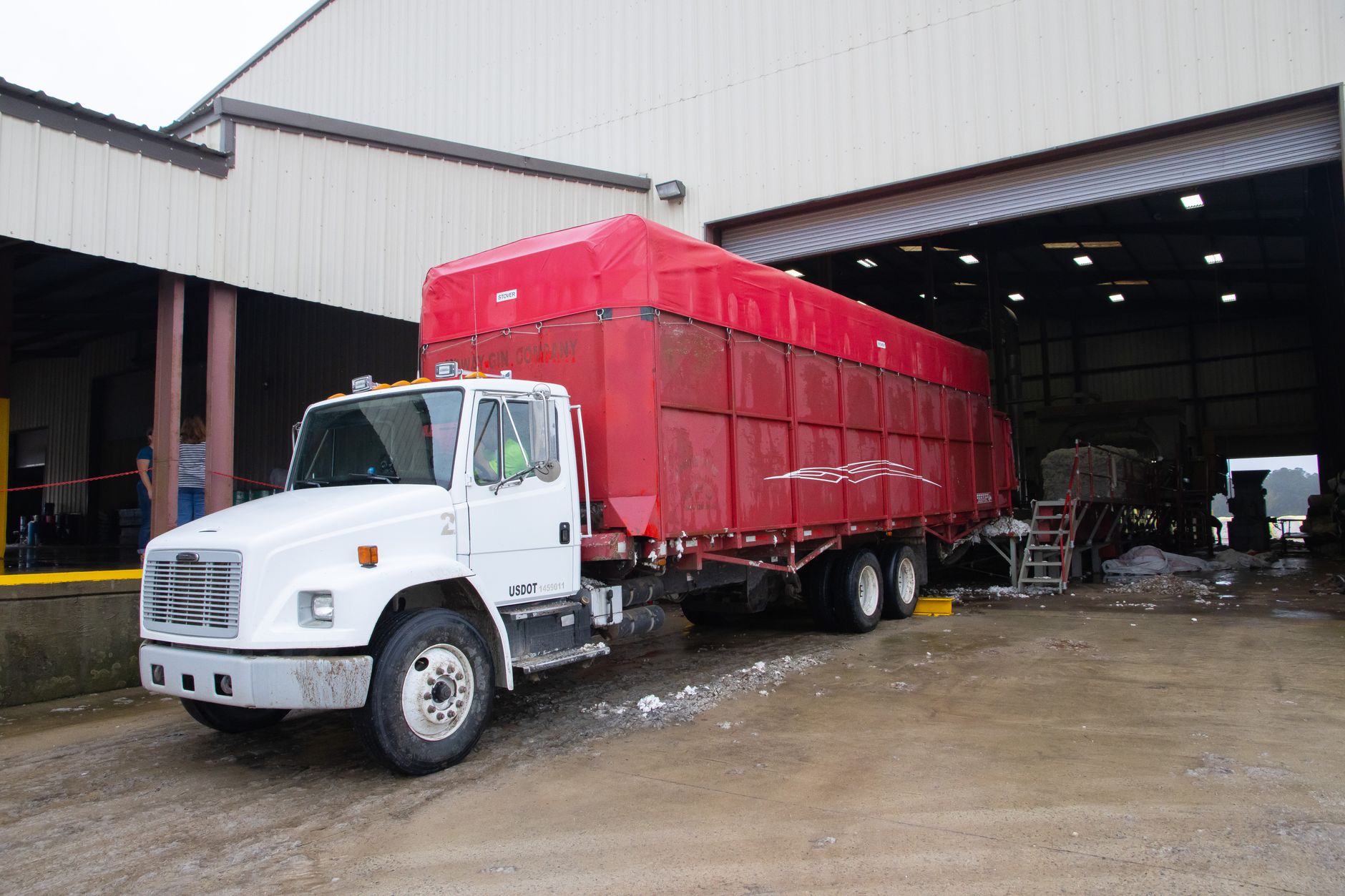
For a North American contract-logistics operation receiving mixed cartons in trailers, inbound unloading sat at the intersection of labor strain and flow variability. Cases arrived in mixed stacks, trailer conditions swung hot or cold, and the job demanded constant lifting, reaching, and recovery in a tight box.
That made the task hard to staff and hard to stabilize. When inbound volume surged, manual unloading could become a dock bottleneck. When volume softened, the work was still punishing and repetitive, pulling people into one of the least desirable jobs in the building.
- Mixed cartons and uneven stacking complicated consistent handoff to downstream conveyor flow.
- Trailer interiors exposed associates to strenuous work in hot or cold conditions.
- Inbound variability made staffing and throughput hard to hold steady.
From Live Testing to Commercial Use
The operation treated trailer unloading as an operating constraint, not a gadget hunt. The documented deployment grew out of co-development in live contract-logistics environments, where the robot was refined against real truck and container unloading conditions instead of a lab setup.
The rollout paired robotic case handling with downstream conveyor and palletizing equipment, then expanded after commercial use proved out in North America. That phased path matters on mixed inbound. The handoff has to stay clean, the dock cannot seize up, and floor teams need a process they trust.
- Use live inbound lanes to test mixed-carton trailer profiles.
- Tie robotic unloading to conveyor handoff and downstream pallet flow.
- Expand after commercial performance and employee response hold up in daily use.
What Changed on the Dock
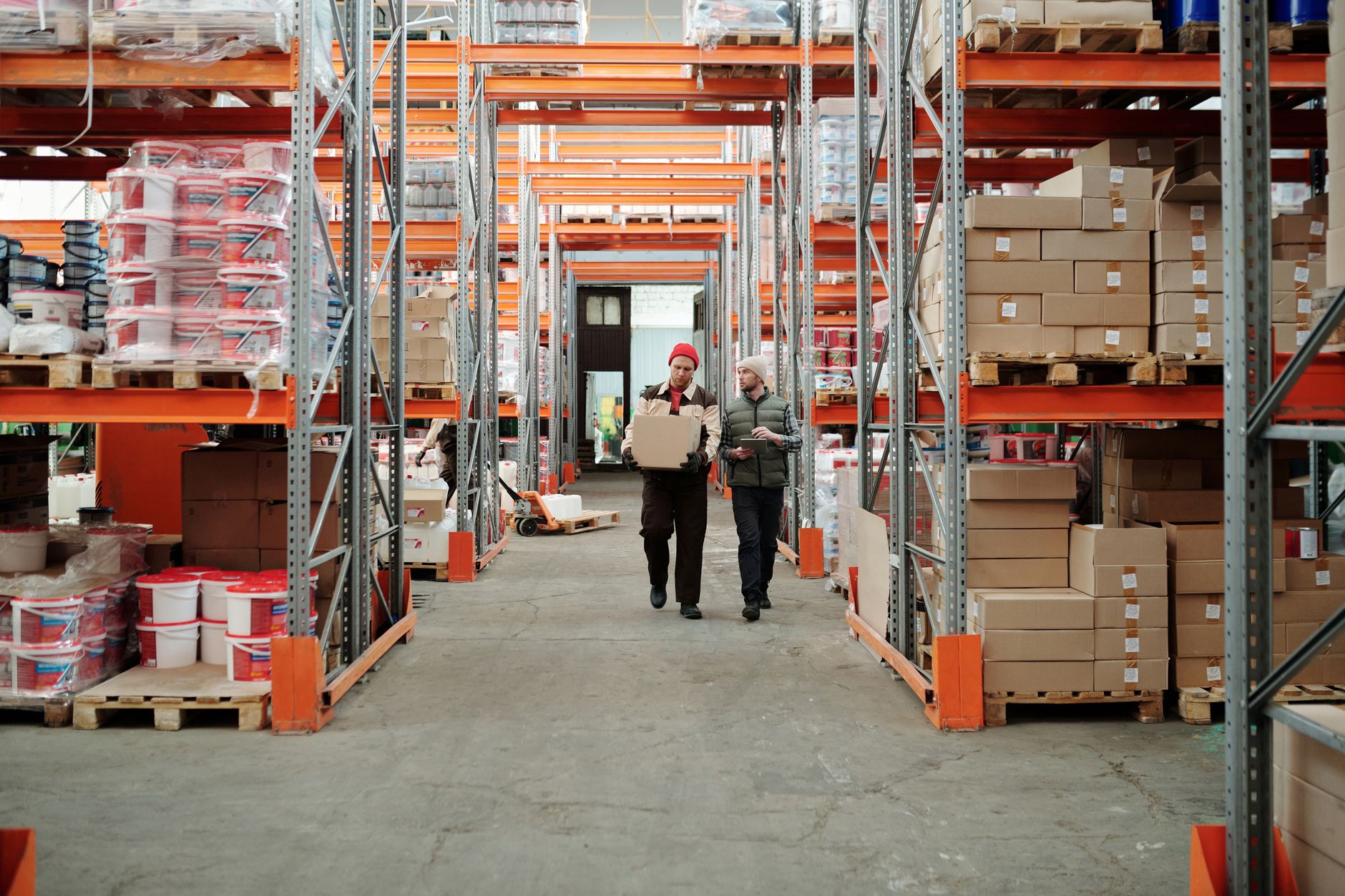
The public result is clear. Commercial deployments reached case unloading rates of up to 700 cases per hour. For an inbound operation handling mixed cartons, that kind of pace can change trailer turn expectations and cut the odds that unloading becomes the first bottleneck of the shift.
The labor result mattered just as much. The public record reports higher employee satisfaction by reducing the need for physically demanding work in hot or cold trailers. The performance was strong enough that the broader program moved toward more than 1,000 additional units globally.
What This Means for Service Robot Co.
This is the kind of warehouse robotics job that rarely works as a bare equipment purchase. Trailer-unloading automation touches dock layout, conveyor handoff, safety, launch sequencing, and ongoing support. That is why a vendor neutral robot integrator earns its keep.
Service Robot Co. is a full-service, OEM-neutral commercial robot integrator for US businesses. It selects the right robots across manufacturers, then handles robot deployment and integration, financing, training, and service through a nationwide US engineer network.
For operators weighing warehouse robot leasing, robot leasing for business, or leasing with no upfront capital and RoboCare™ service, the value is straightforward. One vendor for the whole lifecycle, and one partner accountable after the robot goes live.