
a large U.S. general contractor's active construction sites
Inspection Work Falls From 8 Person-Hours to 30 Minutes
See how autonomous inspection drones cut routine construction inspection work from eight person-hours to 30 minutes while halving pilot training.
- 8 hrs
- baseline person-hours per inspection
- 30 min
- autonomous inspection time
- 90%
- reported inspection time reduction
- 50%
- less pilot training required
Based on a documented real-world deployment. Figures are from public reporting; the organization is not named.
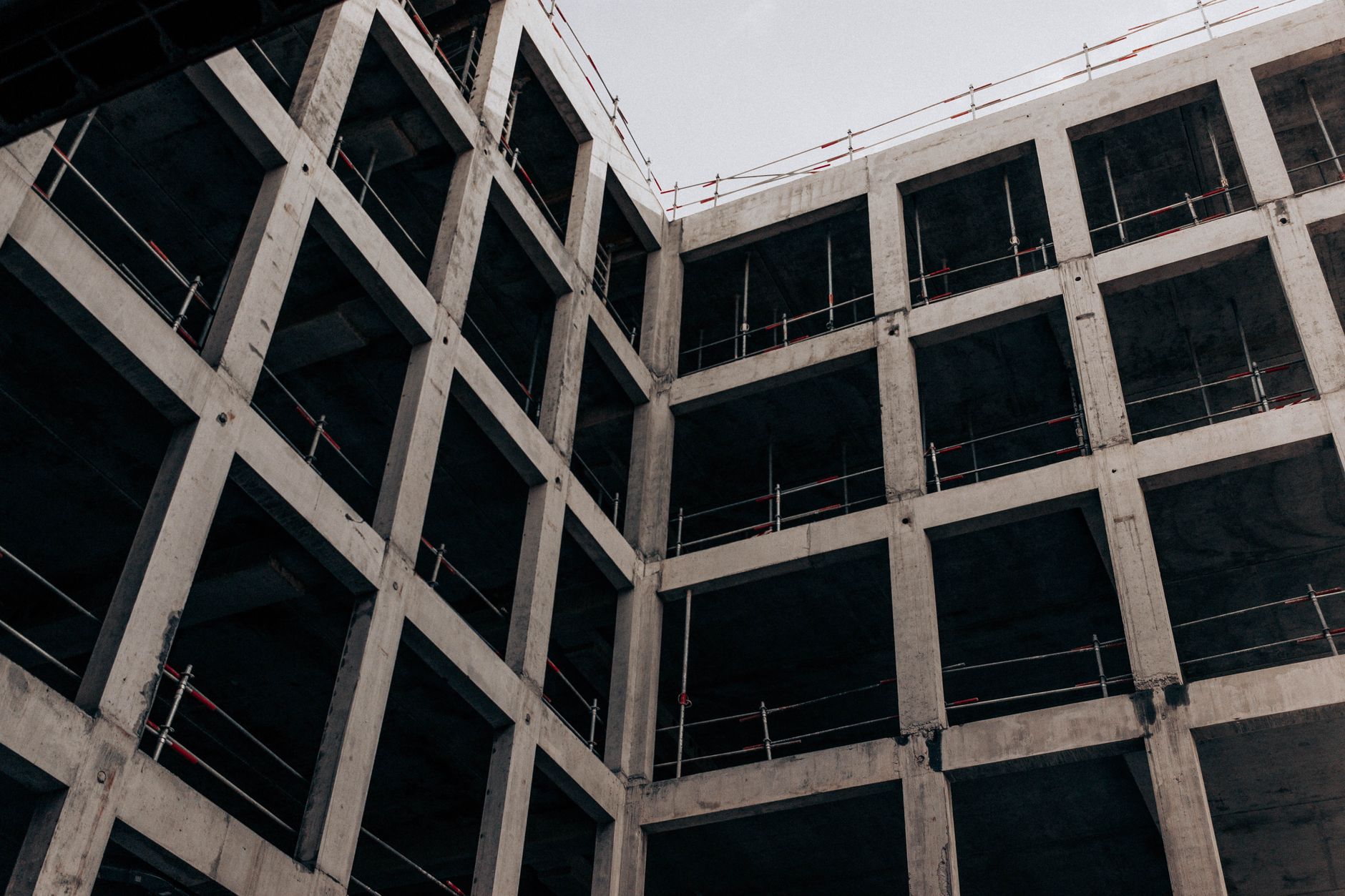
The documentation burden
Routine site documentation required two people working for four hours. That placed eight person-hours into each inspection before the project team could use the resulting record.
Manual drone capture still demanded heavily trained pilots. Obstacle-rich jobsites, metallic structures, indoor areas, overhangs, reflective surfaces, and unreliable positioning signals made close inspection difficult and increased the risk of incomplete coverage.
Pilots also had to maintain approximately 80% image overlap without real-time confirmation of what had already been photographed. Up to 10% of models proved insufficient after processing and required another flight.
- Reduce the field labor tied to recurring documentation
- Capture close, consistent imagery around complicated structures
- Give project teams stronger records for coordination, progress tracking, and closeout
- Shorten pilot training without removing human oversight
Autonomy replaces joystick choreography
The deployment added autonomous flight and 3D scanning to an established construction drone program. An operator defined the asset boundary, then the aircraft calculated its flight path and captured the overlapping images needed for reconstruction.
Selection reflected actual jobsite constraints. Obstacle avoidance, operation where positioning signals were unavailable, close-range capture, and automated coverage mattered more than manual-flight familiarity.
One documented operator created a detailed model after one hour of training. The flight lasted 30 minutes and captured around 200 photographs, evidence from a specific scan rather than a universal production benchmark.
- Evaluate the inspection environment and the geometry of the assets
- Introduce autonomous capture within the existing documentation workflow
- Train operators on boundary setting, flight supervision, and capture review
- Expand usage after validating model quality and field procedures
- Keep operational ownership with trained staff; the published account does not describe a separate maintenance or field-service program
A compressed inspection cycle
The same inspection that had required two people for four hours could be completed by one inspector in 30 minutes. The source reports a 90% reduction in inspection time and a 90% reduction in labor cost per inspection, with nearly 10 times as many inspections possible in the same period.
Pilot training requirements fell 50%. Less time spent mastering manual navigation let operators concentrate on coverage, model quality, and the inspection record.
The resulting 3D models supported building information modeling coordination, as-built assessments, progress documentation, and visual proof at closeout. Inspections also did not necessarily require a jobsite shutdown, although that benefit remained conditional on the site and task.
From a documented result to a deployable program

This documented deployment was not conducted by Service Robot Co. It illustrates the operating case for autonomous inspection drones: compress repetitive capture work, reduce manual-flight burden, and produce a record that project teams can use across coordination and closeout.
Service Robot Co. is a full-service, OEM-neutral commercial robot integrator for U.S. businesses. We manage robot deployment and integration, financing, staff training, and robot maintenance through a nationwide U.S. engineer network. One vendor remains accountable across the lifecycle.
For a construction buyer, that can begin with a free site assessment, site assessment mapping, and a commercial robot demo or robot pilot program. Inspection robot leasing, commercial robot leasing, robot leasing for business, monthly payment programs, and purchase paths can then be matched to utilization, support needs, and capital preferences.