a 2,900-square-meter exhibition and convention hall
Convention Hall Cleaning Cut From 3 Hours to 1 Hour
A 2,900-square-meter exhibition and convention hall used autonomous vacuum robots to cut hall cleaning from 3 hours to 1 hour.
- 2,900 m2
- Hall area cleaned
- 3 to 1 hrs
- Turnaround window cut
- 8 zones
- Parallel cleaning layout
- 7 to 8 staff
- Manual crew before robots
Based on a documented real-world deployment. Figures are from public reporting; the organization is not named.
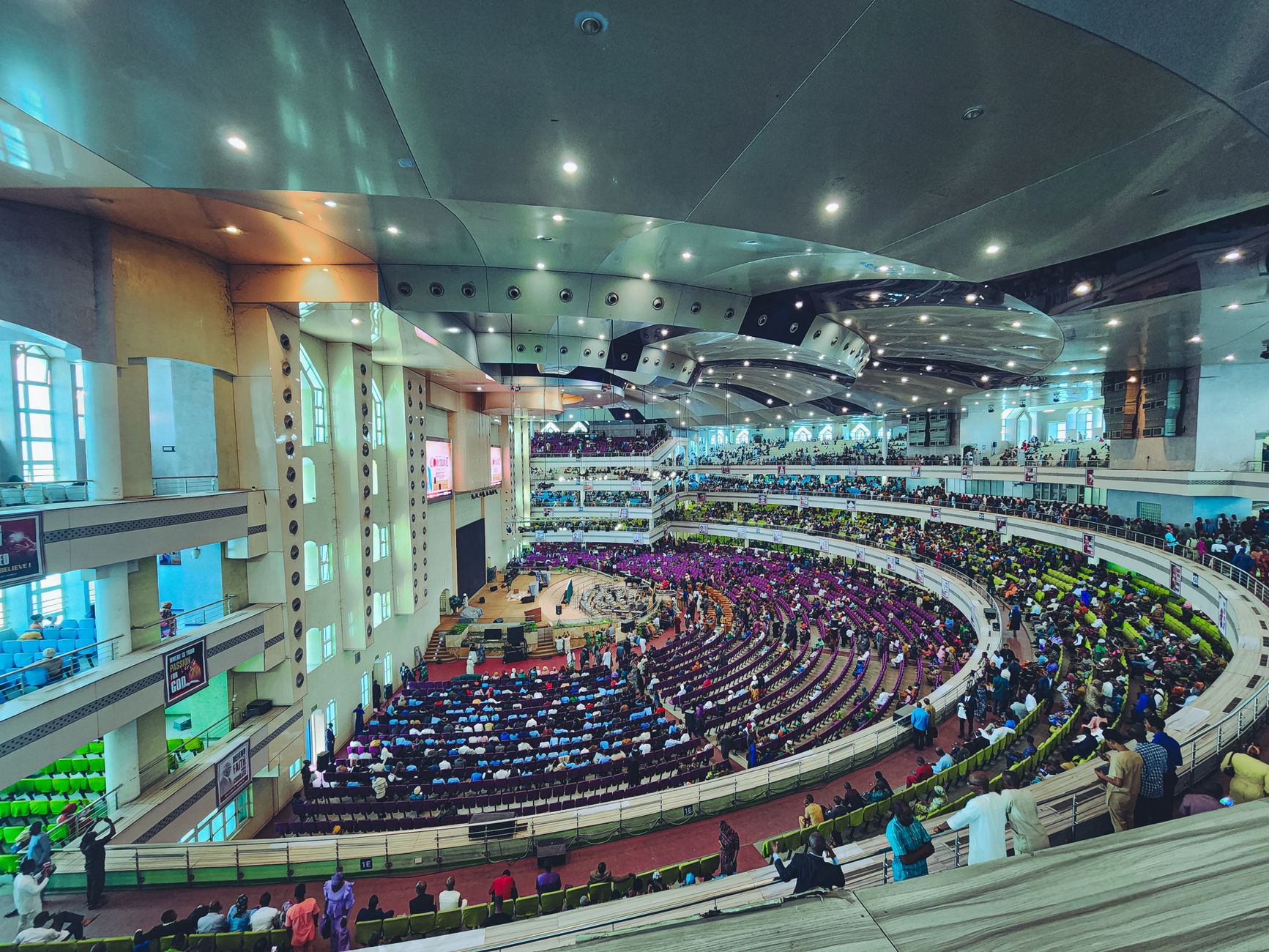
A large hall with a narrow reset window
A 2,900-square-meter exhibition and convention hall had a familiar venue problem. The room was big, event schedules were tight, and the building still had to be guest-ready on time after each use. Before robotic cleaning, the hall took about 3 hours to clean by hand, with 7 to 8 people covering the floor.
That scale created two pressures at once. First, the turnaround window was long for an event space that lives on resets. Second, manual coverage across such a wide floor made consistency hard to hold. The source case notes that hand cleaning led to missed spots and uneven quality across the hall.
The venue was also looking beyond labor alone. Its operators were actively pursuing environmental goals and wanted measurable progress. In practice, that meant looking for a way to reduce cleaning time and the energy tied to that cleaning cycle without compromising floor readiness.
- A single hall measured 2,900 square meters
- Manual cleaning took about 3 hours
- A crew of 7 to 8 people handled the work
- Operators reported uneven coverage and cleaning misses with manual methods
Divide the floor, run in parallel, keep coverage consistent
The venue introduced autonomous vacuum robots in the largest hall and organized the deployment around parallel coverage rather than one long serial pass. Operators split the hall into 8 sections and assigned one robot to each area. Each route ran for about 40 to 50 minutes, which let the venue compress the full-hall cleaning cycle into roughly 1 hour.
That matters in event turnaround cleaning because the gain did not come from asking one machine to do everything. It came from matching the layout to the building. Each robot had a defined responsibility, and the venue used route planning to produce more even, repeatable floor coverage across the entire hall.
The case also makes clear that adoption was tied to operations, not novelty. The robots were used to support building readiness, reduce cleaning-time energy use, and improve consistency on a floor too large for dependable manual uniformity. For a large venue cleaning robot program, that is the real deployment logic.
- Split the hall into 8 cleaning sections
- Assign 1 robot to each section
- Run the routes at the same time
- Use preset routing to cover each zone more evenly
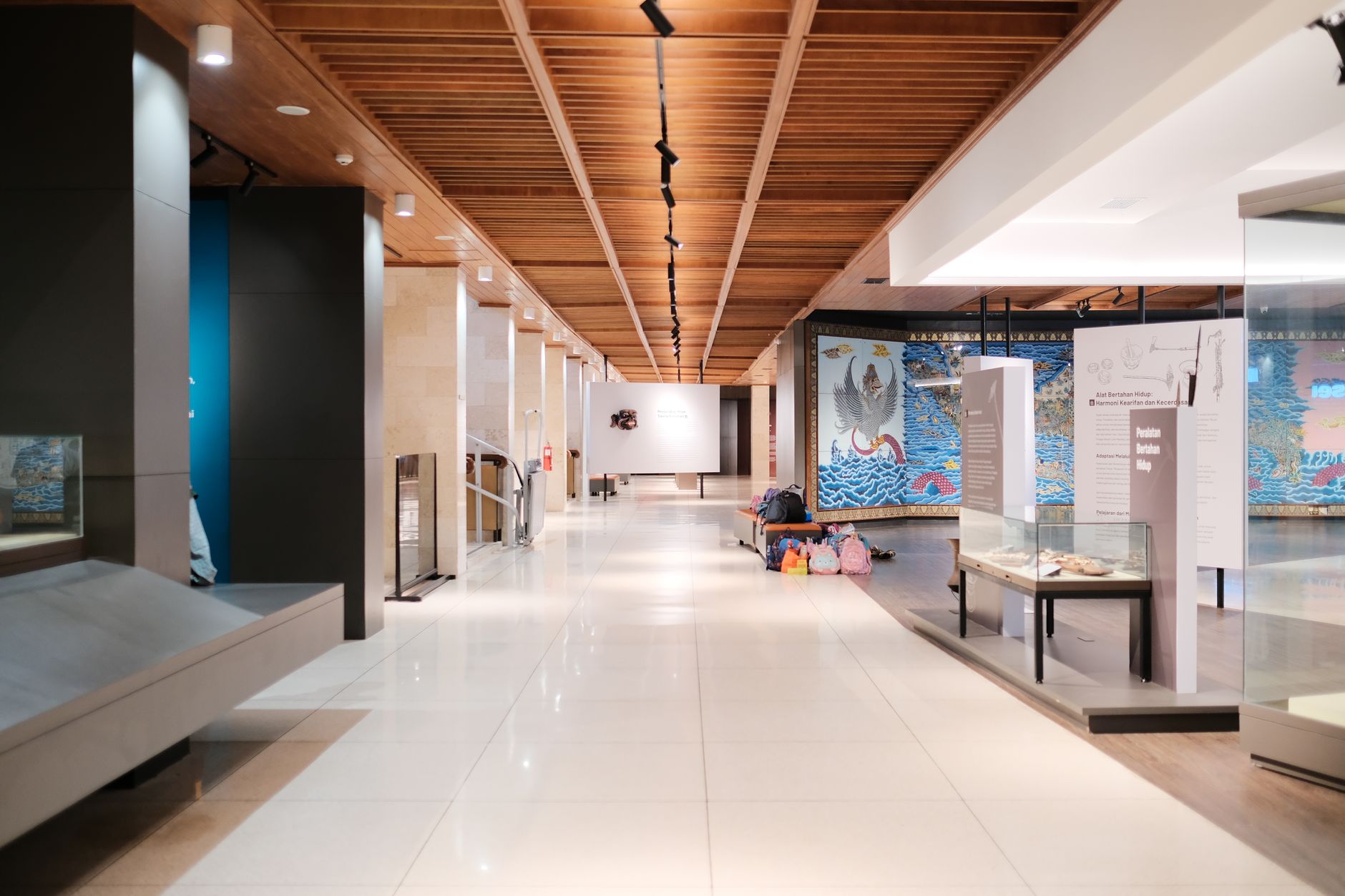
Faster hall resets and cleaner, more even coverage
The headline result was straightforward and material. Cleaning the 2,900-square-meter hall dropped from about 3 hours to about 1 hour. In a venue business built around turnover, that is a much shorter path from one event to the next.
The operating model behind that result was equally concrete. The hall was divided into 8 zones, each robot handled its own area, and each route took about 40 to 50 minutes. The source also states that a single robot could clean about 500 square meters in 1 hour, which helps explain why the parallel layout worked at this scale.
Quality improved as well. Venue staff reported that manual cleaning on such a large floor produced misses and visible variation, while the robotic program delivered more uniform coverage. The case also reports reduced cleaning-time power use, which the operator linked to lower carbon emissions during operations.
What this means for U.S. venue operators
This example shows where an autonomous vacuum robot rental or service robot rental program earns attention in events and venues. The value is not abstract. It is event turnaround cleaning, large facility coverage, and a faster path to building readiness after a show, exam, sale, or convention reset.
For U.S. operators, the practical question is usually not just which robot exists. It is who will size the fleet, map the site, handle phased deployment, train the team, and keep the machines running once they are live. Service Robot Co. plays that role as a full-service, OEM-neutral commercial robot integrator. We help businesses evaluate lease, rental, or sale structures, deploy the robot that fits the floor, and support it through one partner for the full lifecycle.
That matters especially for convention center cleaning robot programs and other large venue cleaning robot deployments, where layout, uptime, and service discipline decide whether the project pays off. The lesson from this documented case is simple. When the floor is large and the reset window is expensive, the right autonomous vacuum robot program can materially shorten the gap between events.