a Scandinavian dairy farm operating three robotic milking boxes
How a Dairy Cut Daily Feed Preparation from 2.5 Hours to 30 Minutes
A Scandinavian dairy with three robotic milking boxes cut daily feed prep from two and a half hours to thirty minutes using automated mixing and delivery.
- 30 min
- Daily feed work
- 2.5 hr
- Prior feed time
- 140K
- Cell count
- 2,000+ kg
- Milk per box
Based on a documented real-world deployment. Figures are from public reporting; the organization is not named.
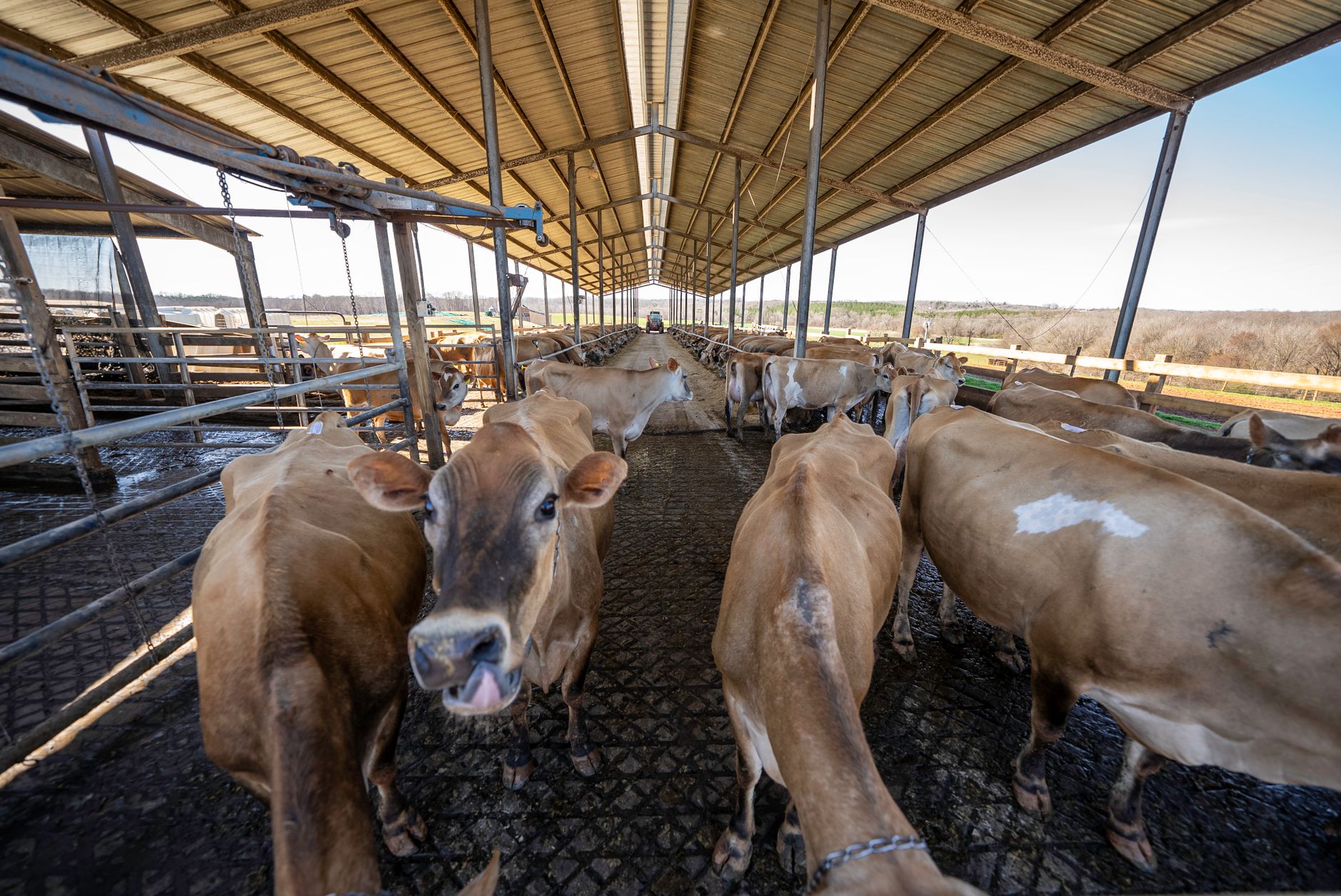
Inconsistent rations and long feed shifts
A Scandinavian dairy farm operating three robotic milking boxes tended about two hundred organic cows where milk yield swung more than operators liked. Three people prepared feed with a diesel mixer wagon, which made rations inconsistent and let lower-ranked cows miss fresh mix at the fence.
Manual feeding ate two and a half hours every day while fixed milking routines still pulled staff away from animal care. Leadership wanted automated mixing and scheduled delivery without rebuilding the whole barn.
Automated feed kitchen and rail delivery
The farm added an automated feeding system with a dedicated feed kitchen beside the barn. Three ingredient bunkers and screw feeders measure components, mix to recipe, and load a rail-mounted wagon that runs on a fixed schedule around the clock.
Cows reach the fence on their own rhythm while the wagon delivers fresh rations quietly. The same modernization added three automated milking boxes so animals enter voluntarily and teat care runs inside the cup without fixed parade times.
- Measure and mix rations by performance group in the feed kitchen
- Deliver on rails to the fence on a timed plan
- Let lower-ranked cows access fresh mix without crowding
- Pair automated milking boxes with health alerts at quarter level
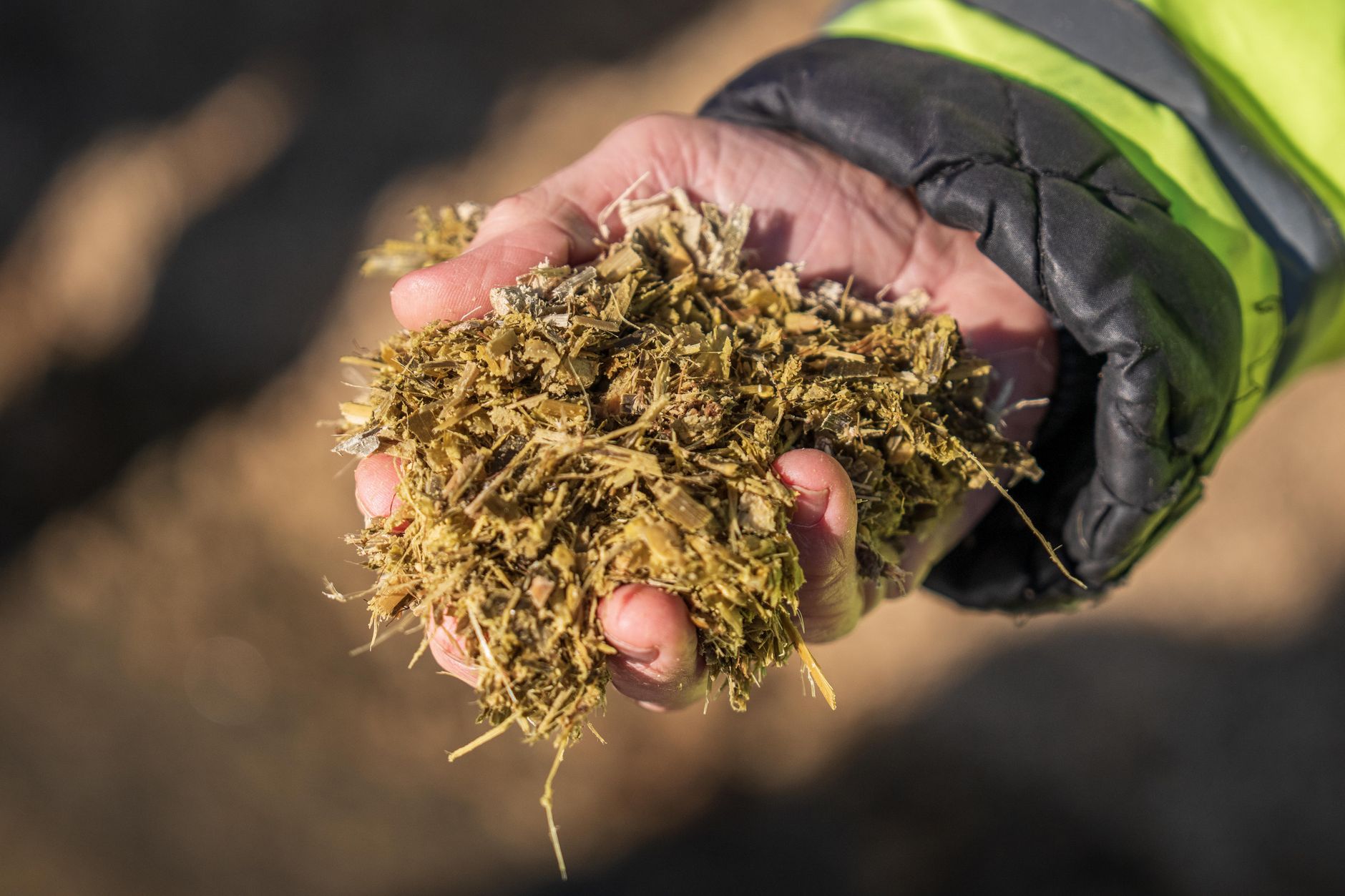
Time back and steadier production
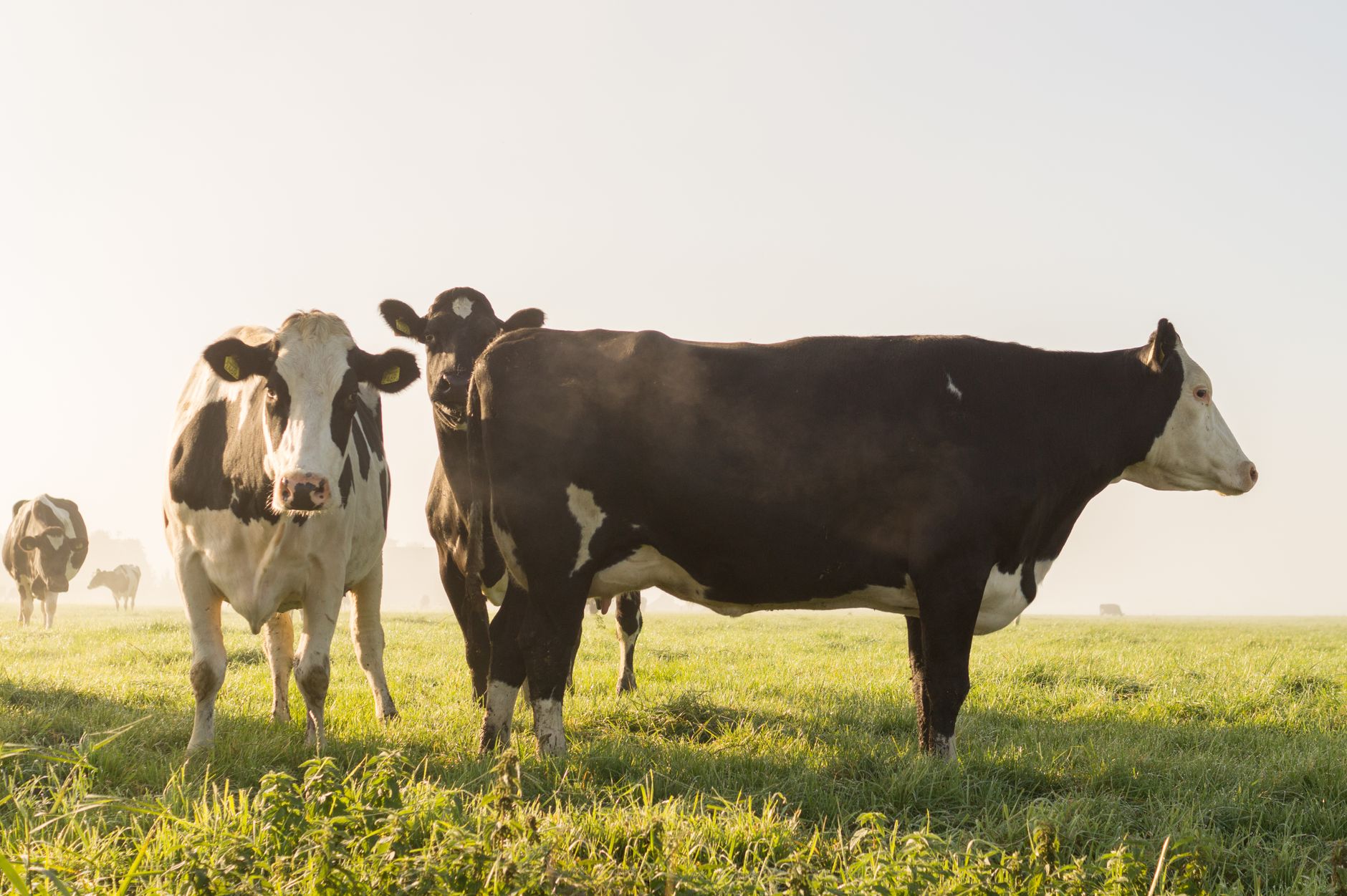
Daily feed preparation fell from two and a half hours to about thirty minutes spent filling bunkers and cleaning the feed kitchen. Removing the diesel mixer wagon also eliminated up to eight thousand liters of fuel use per year in the documented project.
Somatic cell counts dropped from two hundred fifty thousand to one hundred forty thousand while milk per box climbed above two thousand kilograms, a record outcome for the region in the published account.
What US dairies can borrow
Automated feeding is where material handling robot rental thinking meets barn economics: one consistent ration loop beats three people wrestling a mixer wagon.
Service Robot Co. did not deploy this Scandinavian farm. We are a vendor neutral integrator for US ag and food plants: commercial robot demo paths, robot leasing for business, phased deployment with no shutdown, and nationwide on-site dispatch on one contract.