
a multigenerational dairy farm in British Columbia
Dairy Farm Case Study: 90 Minutes of Daily Scraping Eliminated
A documented dairy case from British Columbia shows how autonomous barn-cleaning robots removed 90 minutes of daily manure scraping while fitting herd rhythm.
- 90 min/day
- Manual scraping removed
- 2006
- Robotic manure management in use
- 6th gen
- Family dairy legacy
Based on a documented real-world deployment. Figures are from public reporting; the organization is not named.
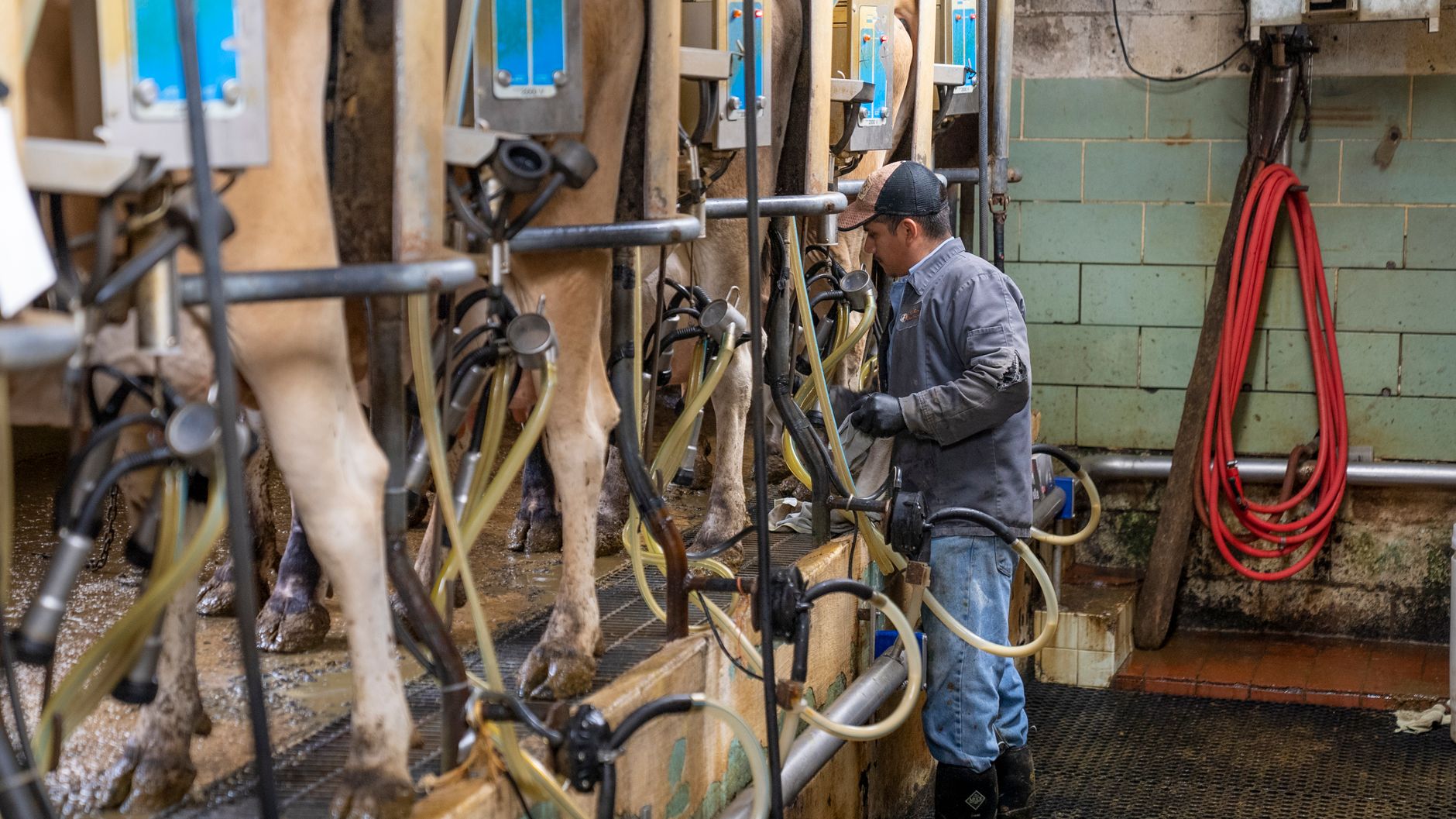
A Dirty Daily Job With No Slack In The Schedule
At a multigenerational dairy farm in British Columbia, alley scraping was not an occasional cleanup task. It was a standing daily chore that consumed 90 minutes of labor and had to be worked around the herd's routine.
That combination made the job unusually stubborn. The team needed manure removal to happen reliably inside the barn already in use, without forcing a new rhythm on the cows or carving out extra labor time every day.
- Daily manure scraping took 90 minutes
- The work had to fit around the herd's routine
- The deployment needed to work within the existing barn infrastructure
Autonomous Collectors Were Fit To The Barn, Not The Other Way Around
The documented approach was straightforward and practical. Autonomous barn-cleaning robots took over manure management while operating inside the farm's existing infrastructure and the herd's daily rhythm.
The public account does not detail a procurement timeline, training playbook, or service contract. What it does show clearly is operational fit: the robots absorbed the scraping task fully, and they did it without requiring a barn redesign or a rewritten day on the farm.
- Use autonomous manure collectors for alley cleaning
- Keep the existing barn layout and infrastructure in place
- Run the robots within the herd's daily rhythm
- Remove manual scraping from the daily task list
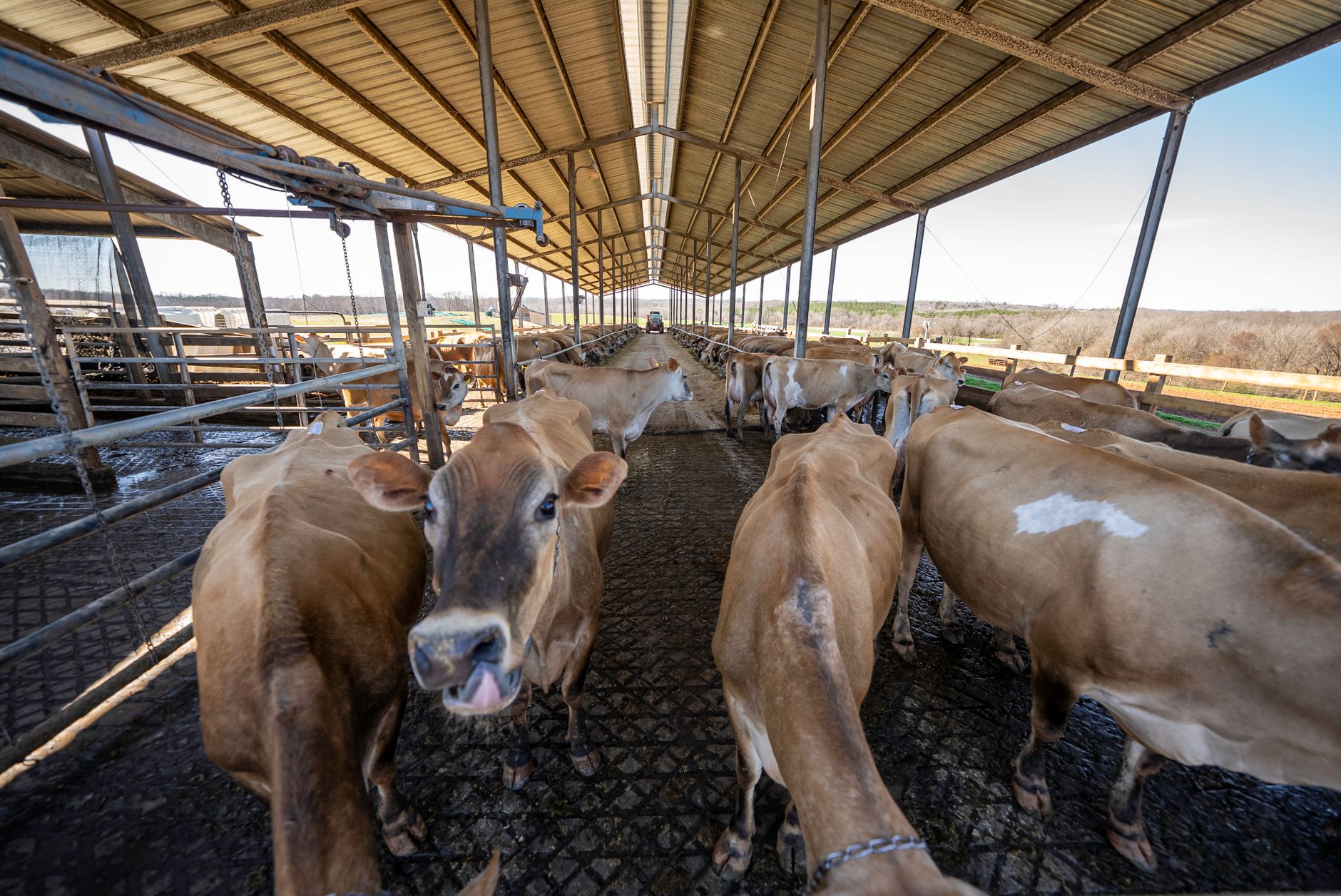
Labor Was Reclaimed, And The Barn Routine Stayed Intact
The headline result is crisp and material. The robots eliminated the previously required 90 minutes of daily manure scraping, removing a repetitive and unpleasant job from the crew's schedule every single day.
The durability signal matters too. The source says robotic manure management has been in place since 2006, which suggests this was not a short-lived trial. It became part of how a six-generation dairy kept the barn clean without disturbing the flow of the herd or the structure already in place.
What This Means For Service Robot Co.
For US operators evaluating agricultural robot companies, the lesson here is not brand loyalty. It is deployment fit. The machine has to suit the aisle, the soil load, the traffic pattern, and the living tempo of the site, or the labor promise falls apart in the first week.
That is where Service Robot Co. positions itself differently. The company describes itself as a full-service, OEM-neutral commercial robot integrator that handles selection across manufacturers, financing, robot deployment and integration, training, and ongoing service through a nationwide US engineer network. For buyers, that model matters when a daily chore needs to disappear without turning the operation into its own robotics department.