a large European dairy producer blending single-flavor yogurt batches into assorted retail variety packs
How a Dairy Mixing Line Cut Variety-Pack Cycle Time From 2 Minutes to 2 Seconds
A European dairy plant replaced hand mixing of yogurt variety packs with an offline-programmed robot cell, cutting each mix-and-pack cycle from about two minutes to two seconds.
- 2 sec
- Robot cycle
- 2 min
- Manual cycle
- 24/7
- Line ready
- 1 cell
- Mix station
Based on a documented real-world deployment. Figures are from public reporting; the organization is not named.
Hand mixing could not keep up with flavor variety
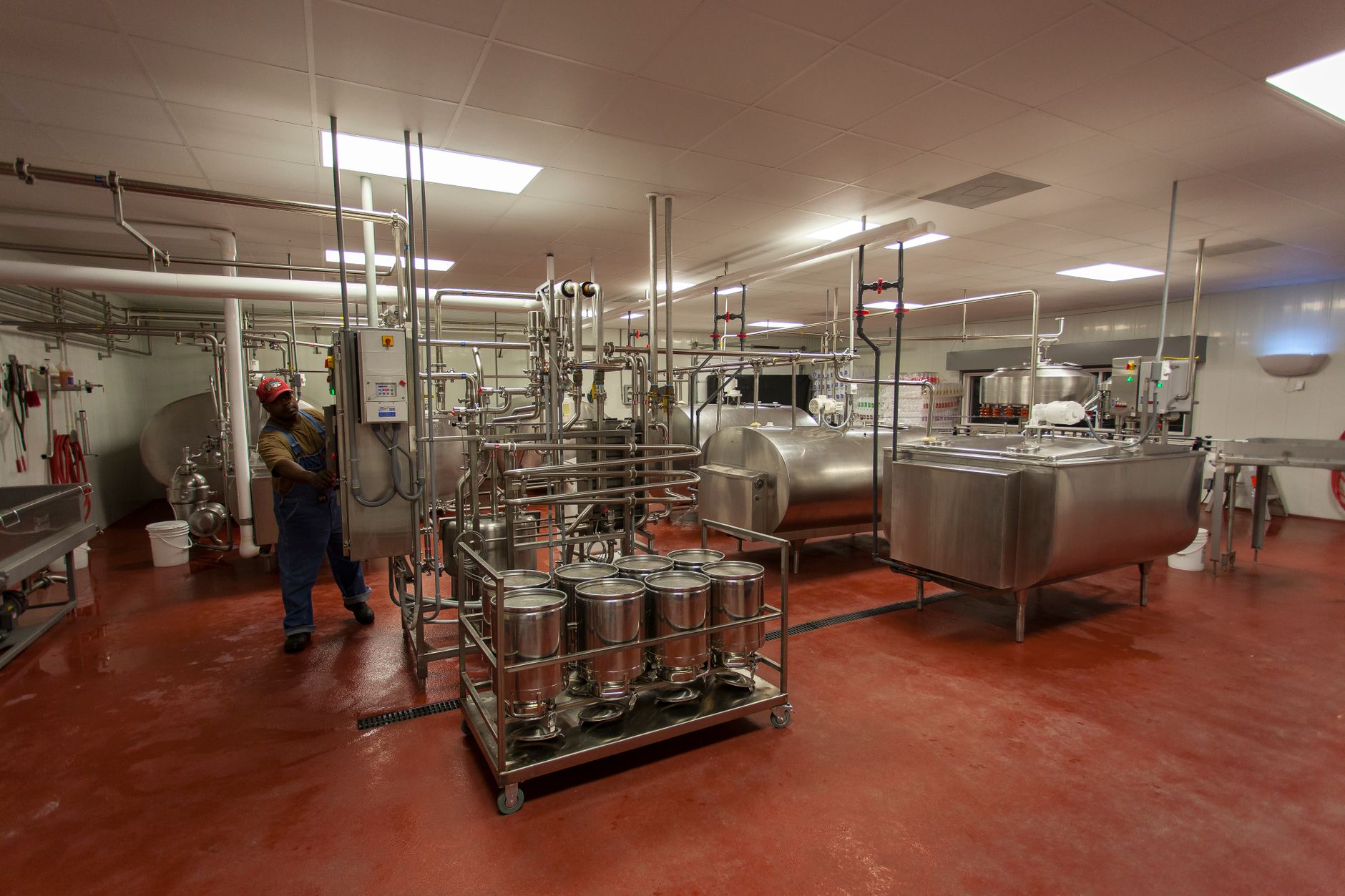
A large European dairy producer blending single-flavor yogurt batches into assorted retail variety packs runs high-volume lines that fill bulk tubs by flavor, then needs a second step to build smaller variety packs for retail.
That secondary mix was performed entirely by hand and took up to two minutes for each package, which capped how fast the plant could respond to mixed-SKU demand and tied skilled labor to repetitive motion.
- Two-minute manual cycle per variety pack
- Secondary step after bulk flavor runs
- Labor tied to repetitive mixing
- Limited scalability for mixed retail SKUs
Offline simulation before the robot cell went live
Engineering partners modeled the mixing and packaging motion in simulation software so paths could be tuned before hardware sat on the floor. The finished cell uses a six-axis robot programmed offline to pick, blend, and pack assorted cups in one coordinated move.
Staff were trained on the programming toolchain so future flavor combinations could be added without stopping the main production lines. The first cell was brought to full capacity on the mix line while bulk filling continued upstream.
- Digital twin of mix-and-pack motion
- Offline robot programming and validation
- On-site training for internal programmers
- Phased startup beside live yogurt filling
Cycle time fell from minutes to seconds
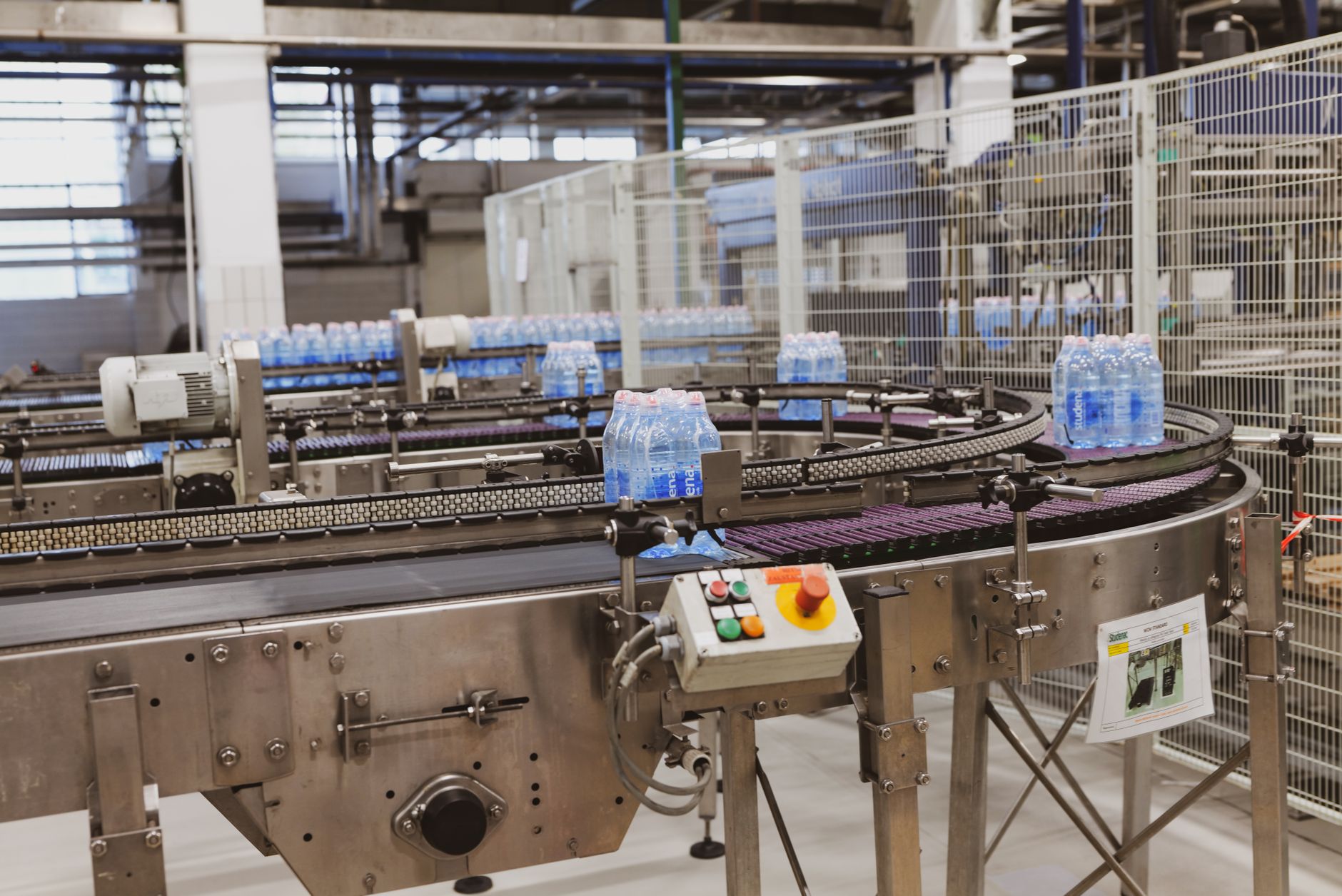
The documented project reports that cycle time for the variety-pack step dropped from about two minutes when the work was manual to about two seconds in the robot cell.
Timing is more consistent shift to shift, and the plant can scale mixed packs without adding another hand-mix station for each flavor combination.
What US dairy and food plants can take from this
When a secondary packaging step becomes the bottleneck, collaborative robot rental or end-of-line palletizing leases let you pilot one cell on the worst offender before you fund a full line rebuild. Service Robot Co. is vendor neutral: we match the right arm and tooling to your cup sizes, washdown rules, and changeover goals, then finance, deploy, integrate, train, and service through regional engineers in all fifty states.
A free site assessment on the mix corridor shows whether offline programming can de-risk startup the same way this dairy did, and month-to-month robot leasing can align payments with seasonal flavor rotations.