
a high-volume McDonald's franchise with a dedicated delivery-driver pickup window far from the kitchen line
How a Dallas Quick-Service Restaurant Logged 10,000+ Kitchen-to-Window Runs With a Runner Robot
A Dallas quick-service restaurant used a runner robot since 2022 for a distant delivery pickup window, logging 10,000+ trips and 57,000 pounds moved.
- 10,000+
- Runner trips
- 121 mi
- Distance
- 57,000 lb
- Food moved
- Since 2022
- In service
Based on a documented real-world deployment. Figures are from public reporting; the organization is not named.
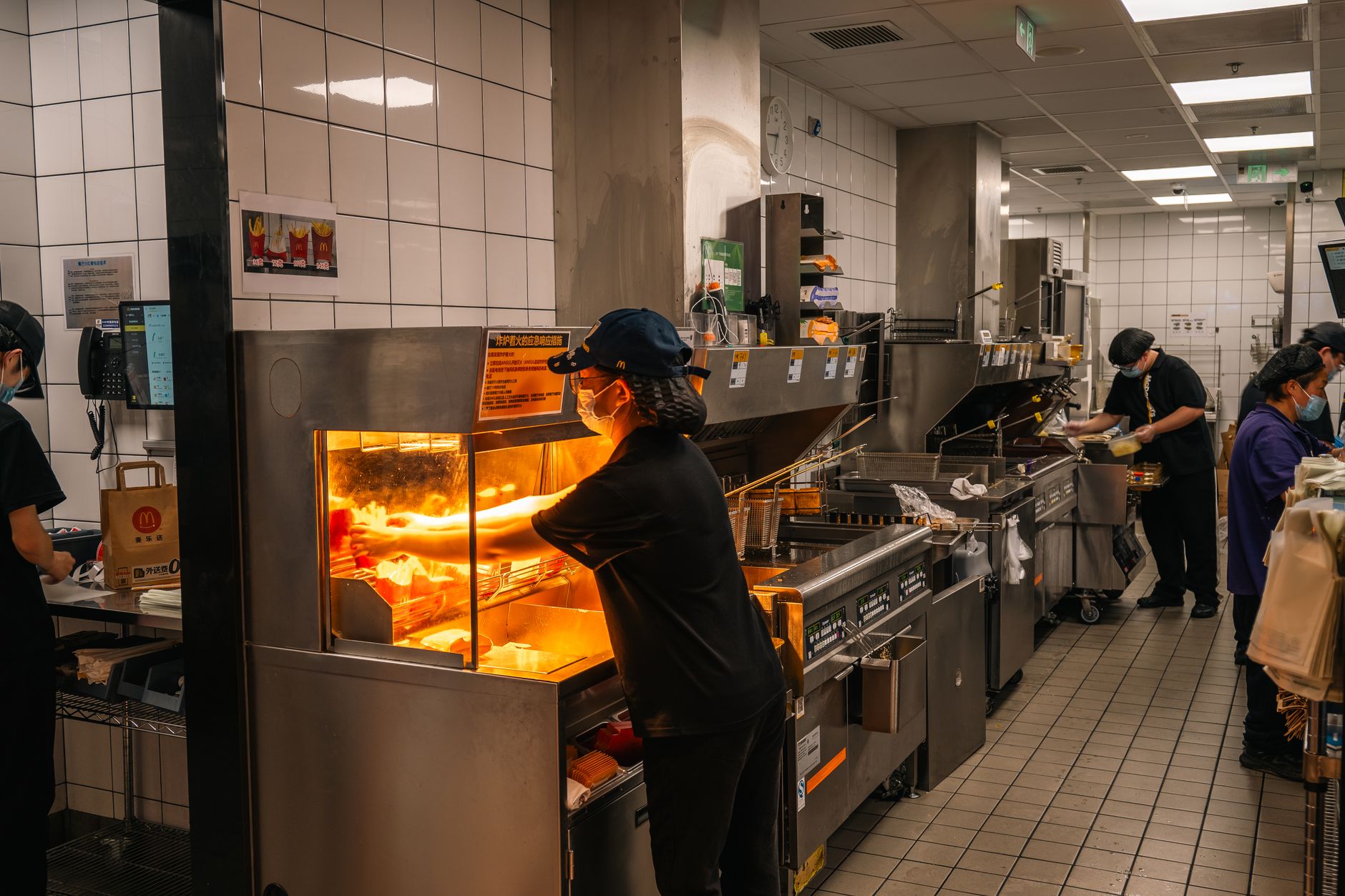
A distant pickup window on a already-packed overnight shift
This Dallas quick-service location juggles dine-in guests, drive-thru lanes, and a flood of delivery-app tickets on the overnight shift. Management added a dedicated window so drivers could grab orders without clogging the front counter.
The catch was distance. Kitchen production sat far from that window, so every app bag meant a long walk for managers who were already answering headsets and coaching crew on the line.
- Simultaneous in-store, drive-thru, and delivery demand on thin overnight crews
- Pickup window placed far from the production line
- Walk time pulling leaders off customer-facing work
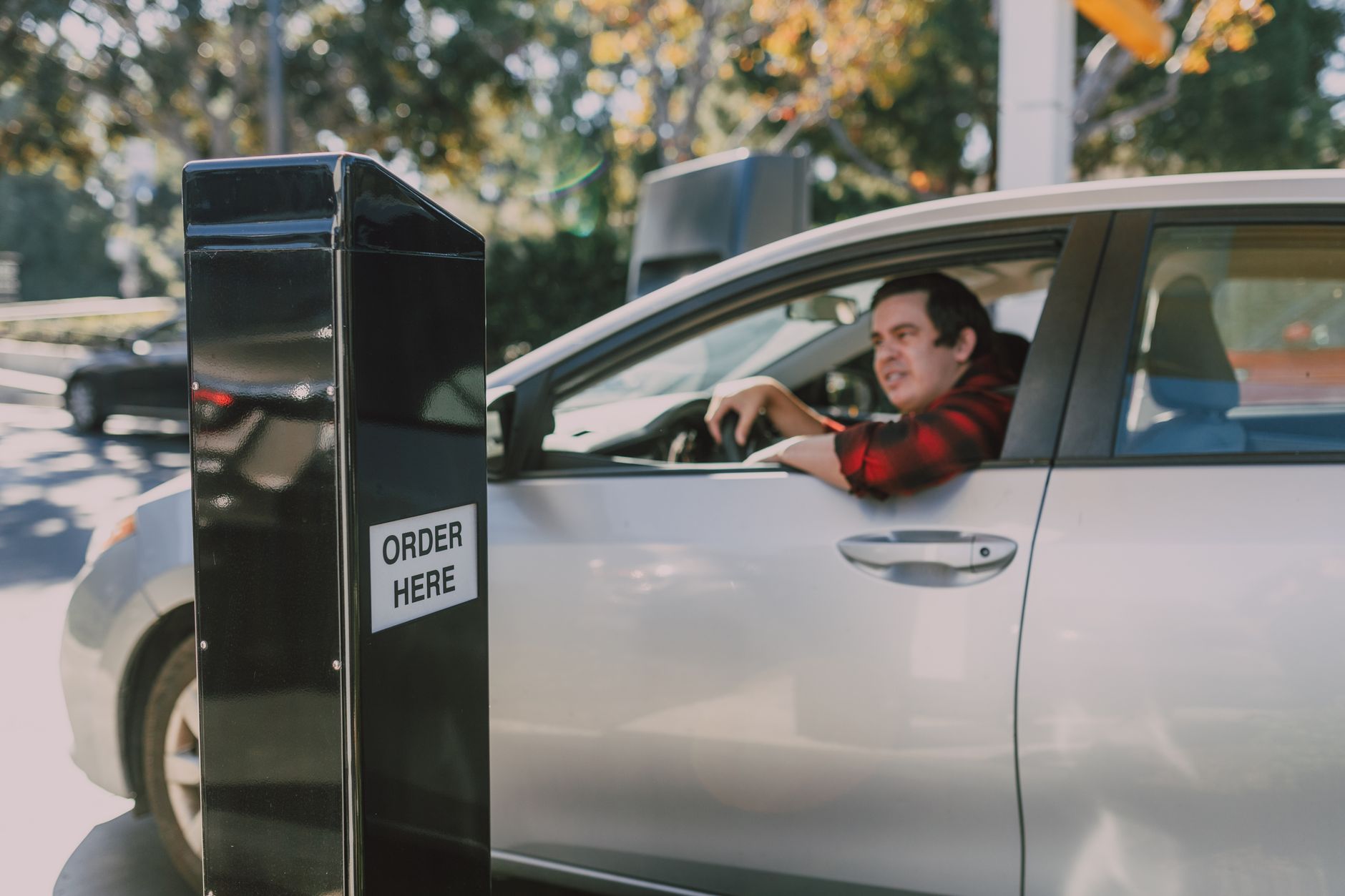
A runner robot on the long kitchen-to-window lane
Since 2022 the franchise has used a food runner robot to carry sealed orders from the counter to the delivery window while humans stay on production and guest touchpoints.
Overnight managers treat the robot as fixed capacity on the worst lap in the building, not as a guest-facing novelty. Staff load trays, send the run, and return to the line while the robot repeats the same indoor route.
- Map the kitchen-to-window path during a quiet prep window
- Train crew on handoff points at counter and pickup window
- Keep the robot on the delivery lane only, not guest dining areas
Documented trip volume and less walking for managers
The supplier-published story reports more than 10,000 deliveries completed since 2022, with the robot traveling about 121 miles and moving more than 57,000 pounds of food on those runs.
Managers quoted in the write-up say the runner helps when they are short staffed, handling order volume while they stay on counter and drive-thru duties.
The measurable gain is operational: fewer cross-store sprints during peak app spikes, not a marketing stunt in the dining room.
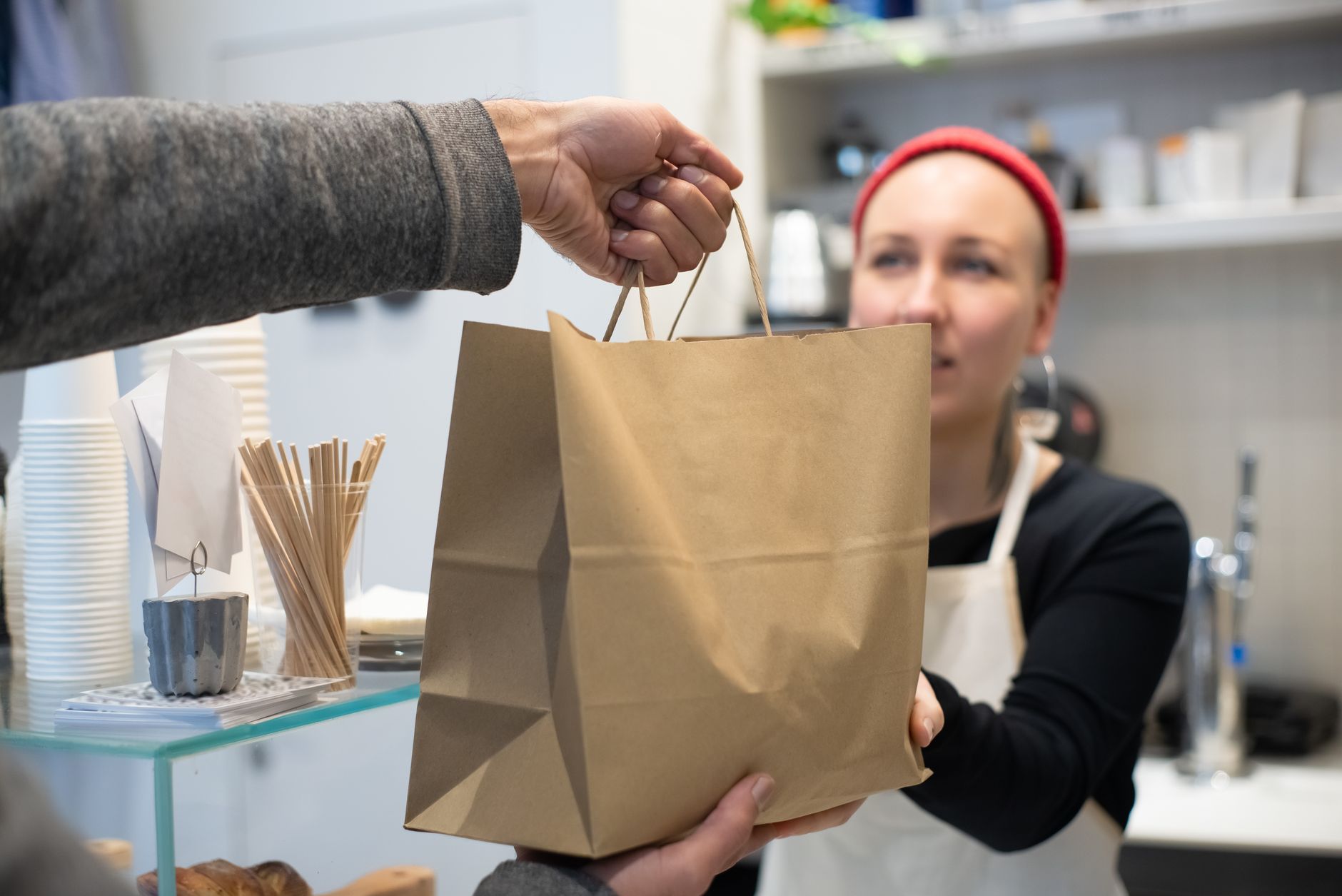
What multi-lane QSR operators can take from the pattern
This deployment is documented by the robot maker, not Service Robot Co., yet the layout problem is common anywhere a new pickup point sits far from production.
Service Robot Co. stays OEM-neutral, so we compare runner platforms on your aisle widths, door thresholds, and peak ticket mix, then finance, deploy, train, and service the unit through a nationwide network of regional service engineers.
A free site assessment is the practical first step when you want proof on one long indoor route before you scale.