a major third-party logistics warehouse in Dallas distributing heavy pet-food cartons to U.S. retail
How a Dallas Pet-Food DC Lifted Pick Rates 50% With Cart-Towing AMRs
A Dallas pet-food warehouse cut cart pushing and raised pick rates from 65 to 98 units per hour with twelve cart-towing AMRs, less overtime, and tighter accuracy checks.
- 50%
- pick gain
- 98 UPH
- pick rate
- 75%
- less OT
- 12
- AMRs live
Based on a documented real-world deployment. Figures are from public reporting; the organization is not named.
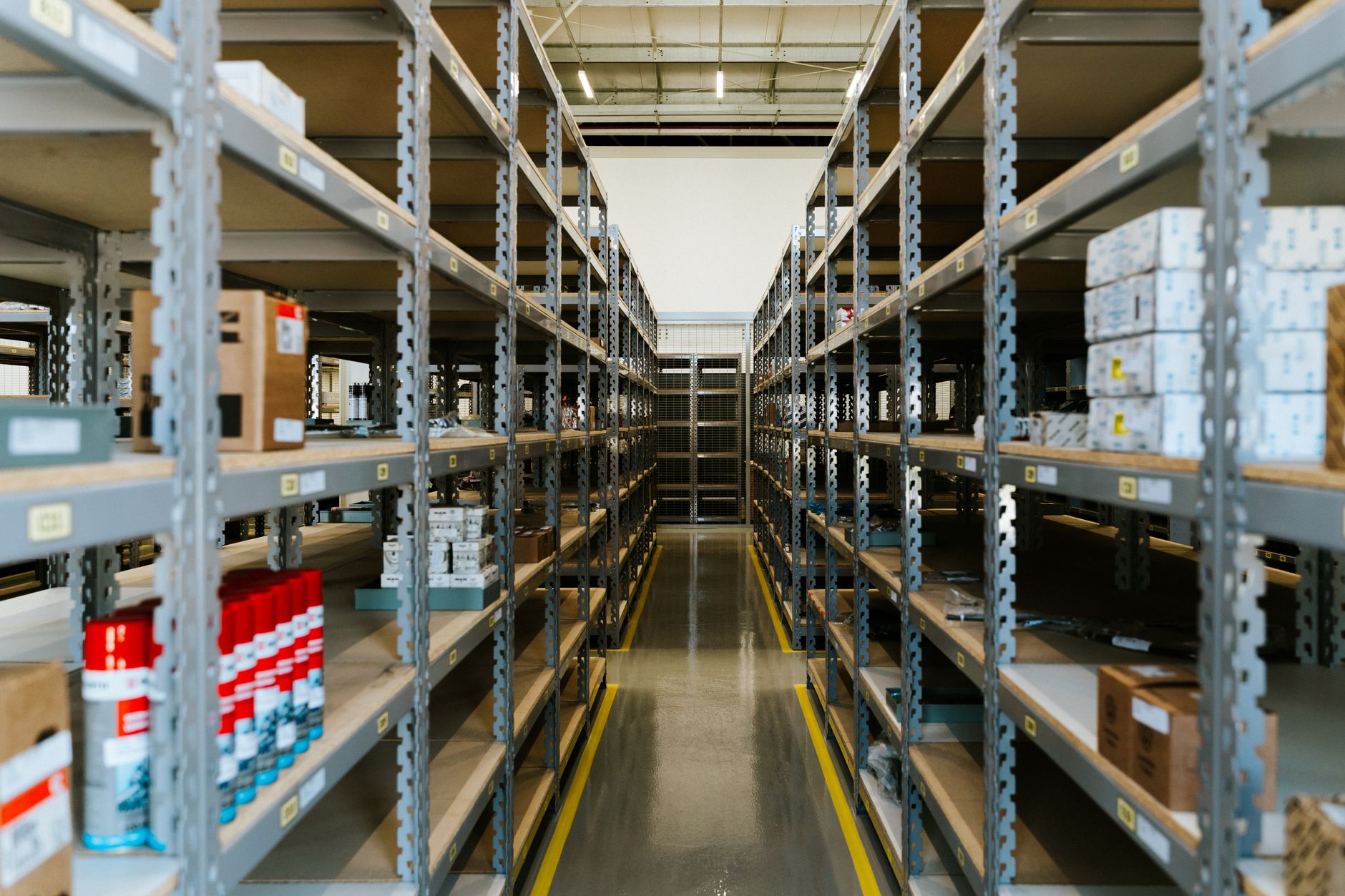
Heavy carts in a tight pick zone
Associates in a forty thousand square foot pick module were building and pushing carts loaded with pet food cartons weighing up to two hundred pounds. Travel ate the shift. Pickers burned energy on cart moves instead of scanning, packing, and hitting retail fulfillment targets.
Overtime climbed because the building could not keep pace without extra hours. Accuracy checks required auditing every pick because manual cart handling introduced variance. Ergonomic risk sat on every long push through the aisle grid.
- Manual cart builds for dense pet-food cartons
- Long walks between pick faces and pack stations
- Full pick audits slowing throughput
Cart-towing AMRs on the travel lanes
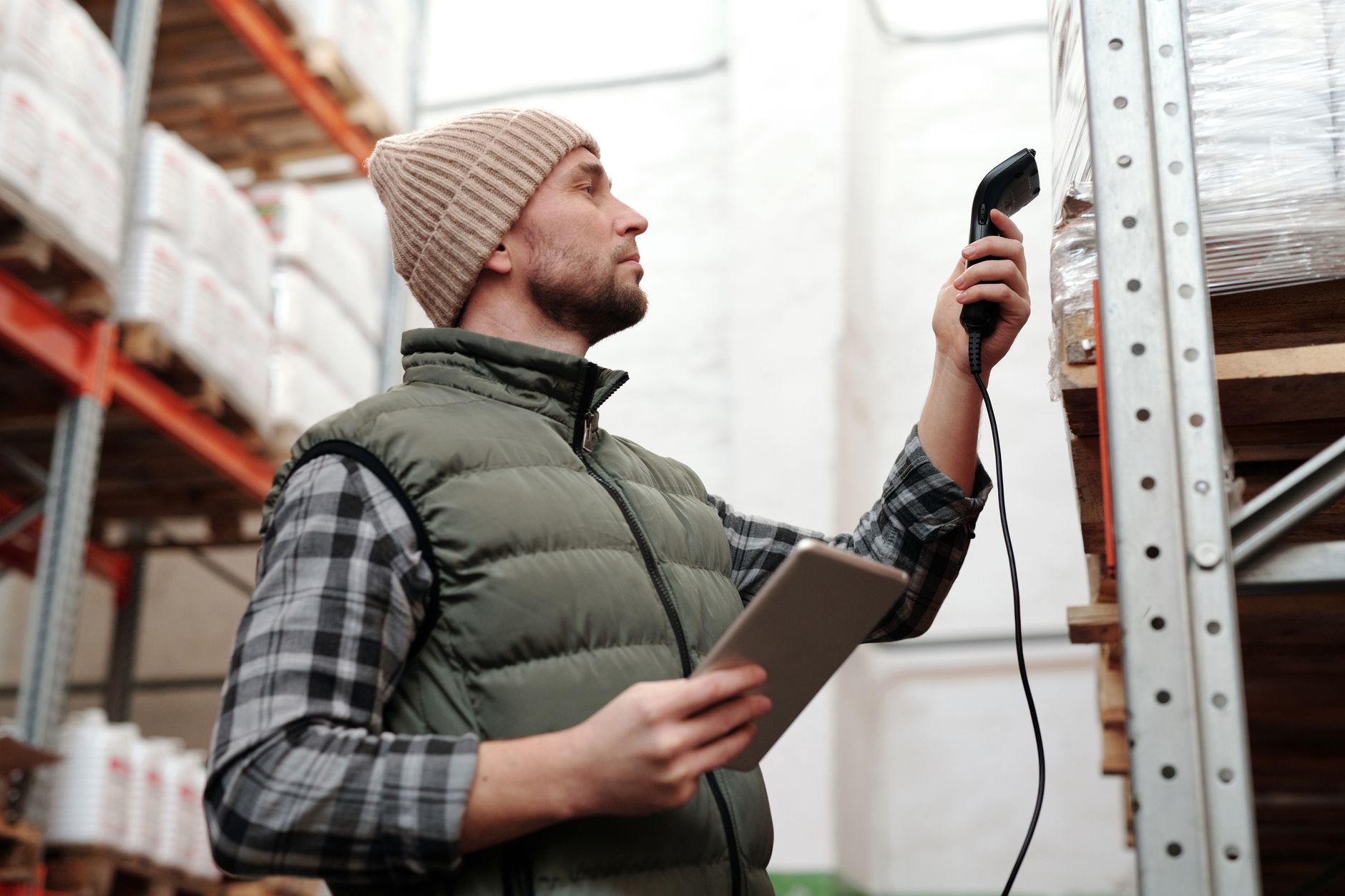
Leadership brought in twelve autonomous mobile robots built to attach and tow pick carts through the module. The fleet took over horizontal moves so associates stayed at the pick face. Training stayed short because the workflow still looked like familiar scan-and-place work.
The robots carried heavier loads per trip than a person could push safely. Real-time mission data gave supervisors live visibility into units per hour without clipboard counts. Accuracy checks moved into the robot workflow so only a sample of picks needed human audit.
- Map cart attach points and charging in the forty thousand square foot zone
- Run AMRs on cart towing while pickers remain at stations
- Shift audits from every pick to a ten percent sample
Measured pick and labor gains
Documented productivity rose about fifty percent. Units per hour moved from roughly sixty five to ninety eight on the measured lanes. Overtime fell about seventy five percent once robots owned the travel.
The operation now audits about ten percent of picks because the system verifies the correct item two or more times during the flow. Associates report less fatigue and fewer strain incidents because they no longer push two hundred pound carts across the building.
What this means for your warehouse
Pet food and other dense retail cartons punish shoulders long before pick rates stall. Cart-towing AMR rental lets you test one module under a month to month robot lease before you expand fleet-wide.
Service Robot Co. stays vendor neutral on warehouse robot rental and AMR rental options, then handles site assessment mapping, go live support, and maintenance included service through a nationwide network of regional engineers. One partner covers finance, deployment, and robot maintenance service plan coverage so you are not juggling separate vendors for robots and uptime.