a 450-square-meter dental clinic with eight treatment rooms
Dental Clinic Case Study: Checkout Waits Fell 30 to 40%
In a 450-square-meter dental clinic with eight treatment rooms, a delivery robot took over about 2 km of daily transport and cut checkout waits 30 to 40%.
- 30-40%
- Shorter checkout waits
- 10%
- Less room-reset time
- 2 km/day
- Daily walking replaced
- 8 rooms
- Treatment rooms
Based on a documented real-world deployment. Figures are from public reporting; the organization is not named.
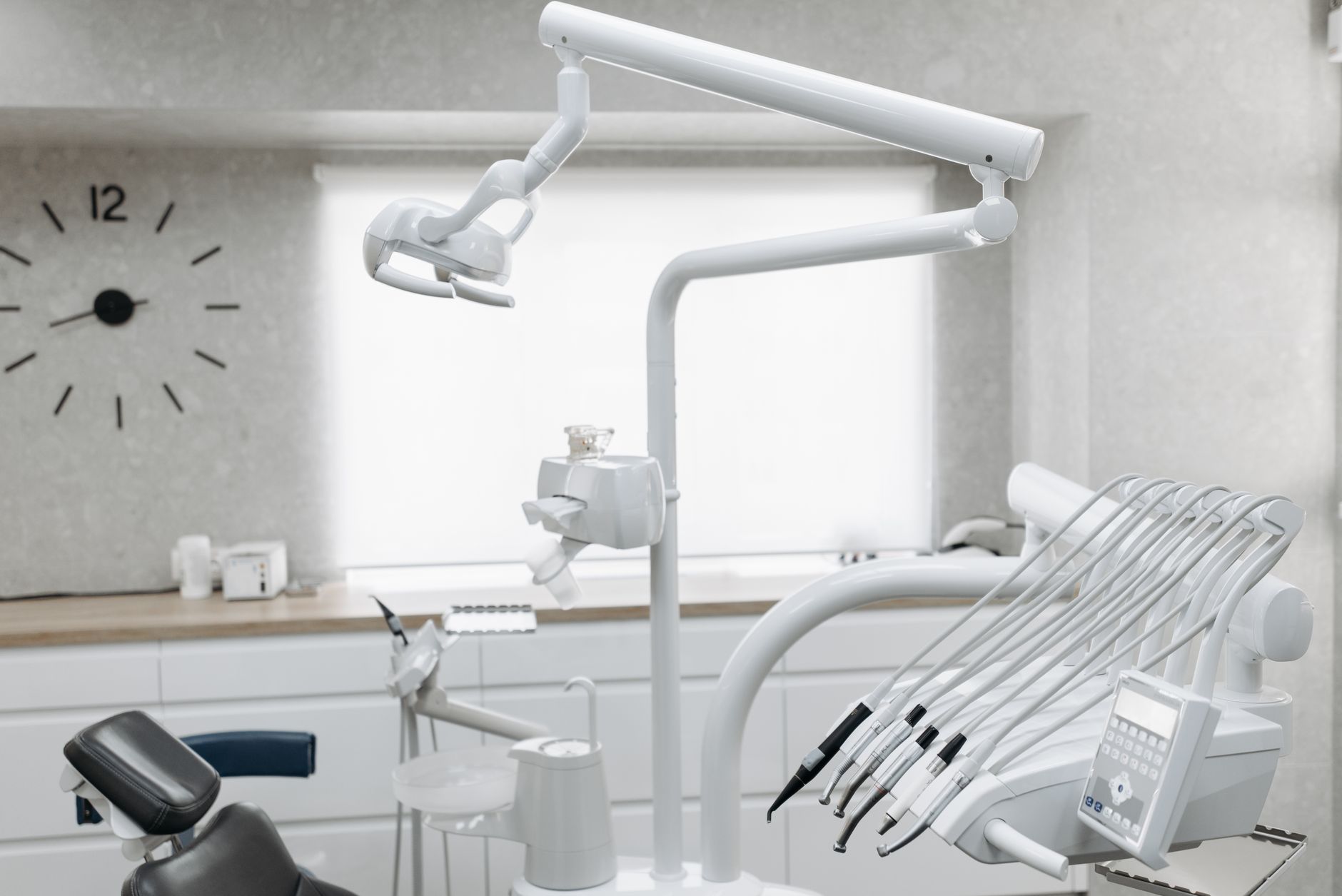
A wide clinic turns small errands into real drag
In a 450-square-meter dental clinic with eight treatment rooms, the strain did not come from a single bottleneck. It came from constant internal movement, with staff carrying charts and treatment instruments across a broad outpatient layout throughout the day.
The published account says those runs added up to dozens of trips a day. That movement burden also fed two downstream pressure points: getting rooms ready for the next patient and keeping the checkout queue from backing up.
- Repeated chart runs across the clinic
- Instrument transport between treatment rooms
- Pressure on room reset and checkout flow
Put the robot on the repetitive transport loop
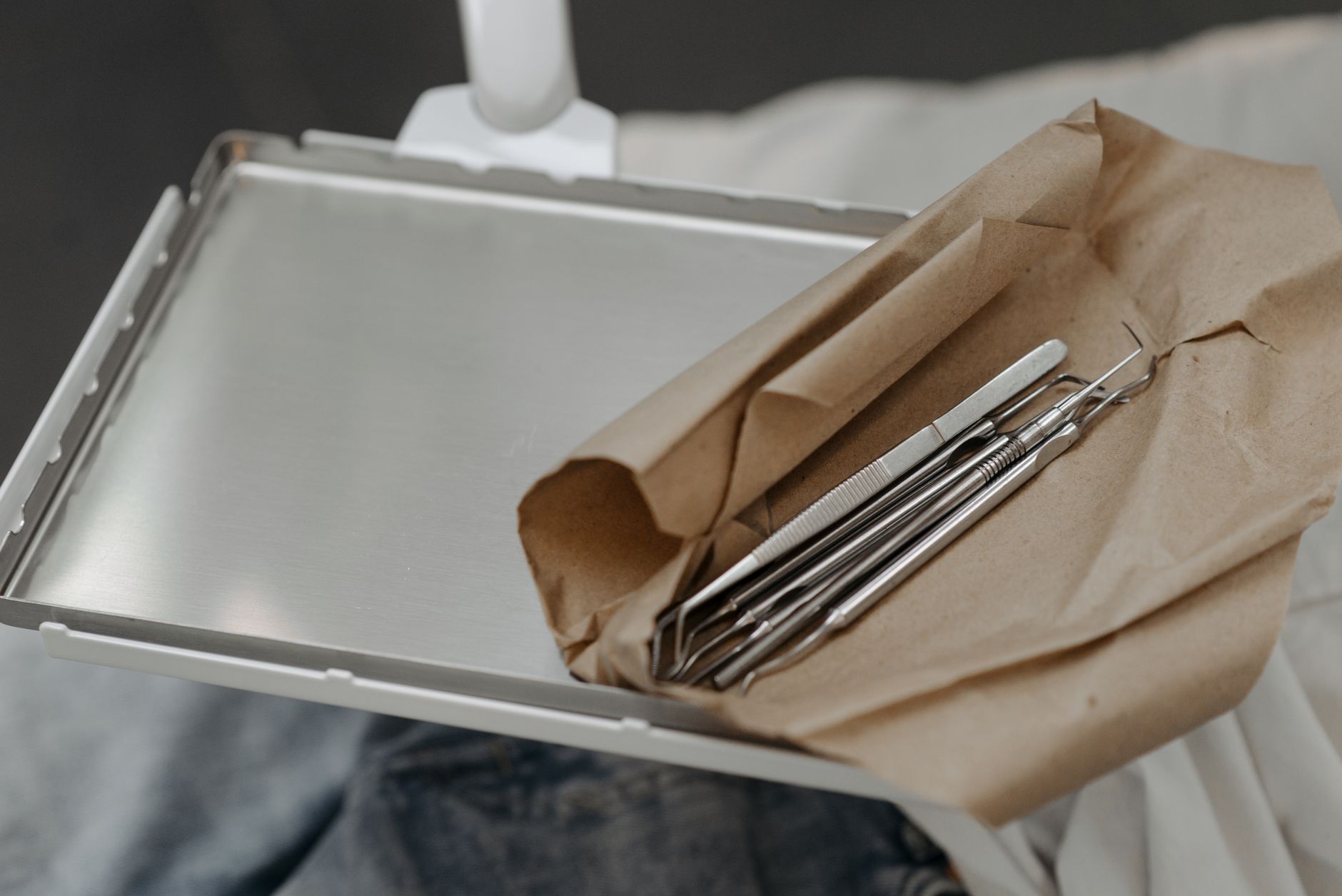
Based on the published account, the clinic introduced a delivery robot for internal transport rather than chairside care. Charts and treatment instruments were handed off to the robot so staff could stay closer to patients and the next task in the care flow.
That framing matters. In dental care, the cleanest early win usually comes from repetitive corridor movement, the kind of work that interrupts attention without adding much clinical value.
- Map the repeat routes that consume staff time
- Assign the robot to chart and instrument handoffs first
- Keep staff focused on patients, room turnover, and checkout
- Expand usage as the team grows comfortable with the workflow
The gains showed up where patients feel them
The case study reports that the robot took over about 2 km of daily movement. In a clinic of this size, that is a substantial share of the low-value walking that quietly consumes staff time.
The same source reports about a 10% reduction in room-reset time and a 30-40% reduction in checkout waits. Those are not abstract efficiency figures. They land in the moments patients notice most, the turn between appointments and the wait to finish a visit.
Why this matters for dental groups in the US
This example is useful because it isolates a common outpatient problem. When assistants and front-desk staff keep getting pulled into repetitive transport, a delivery robot can protect time for patient communication, handoffs, and room readiness.
For US operators exploring service robot leasing, robot leasing for business, or a leasing model, Service Robot Co. plays the integrator role rather than pushing any particular manufacturer. The company helps select the robot that fits the floor, then handles financing, deployment, integration, training, and service through its nationwide US engineer network.