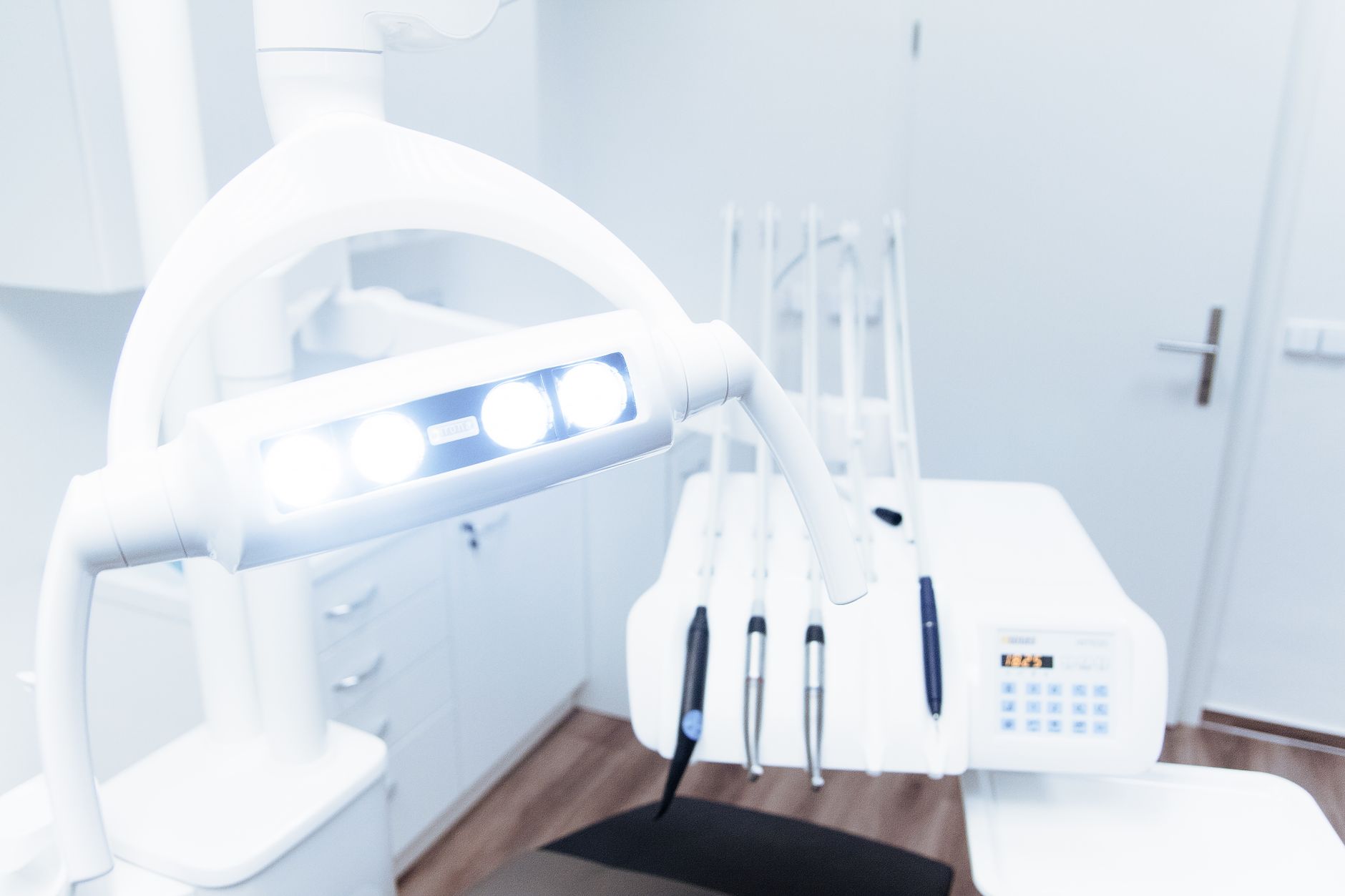
a high-volume dental laboratory milling ceramic crowns in single-part flow
How a Dental Lab Cut Crown Production Cycle From 28 to 17 Hours
A high-volume dental lab used collaborative machine tending to move from 15-crown batches to single-part crown milling, cutting total cycle time from 28 hours to 17.
- 17 hr
- New cycle
- 28 hr
- Old cycle
- 10 min
- Mill time
- 2
- Ops freed
Based on a documented real-world deployment. Figures are from public reporting; the organization is not named.
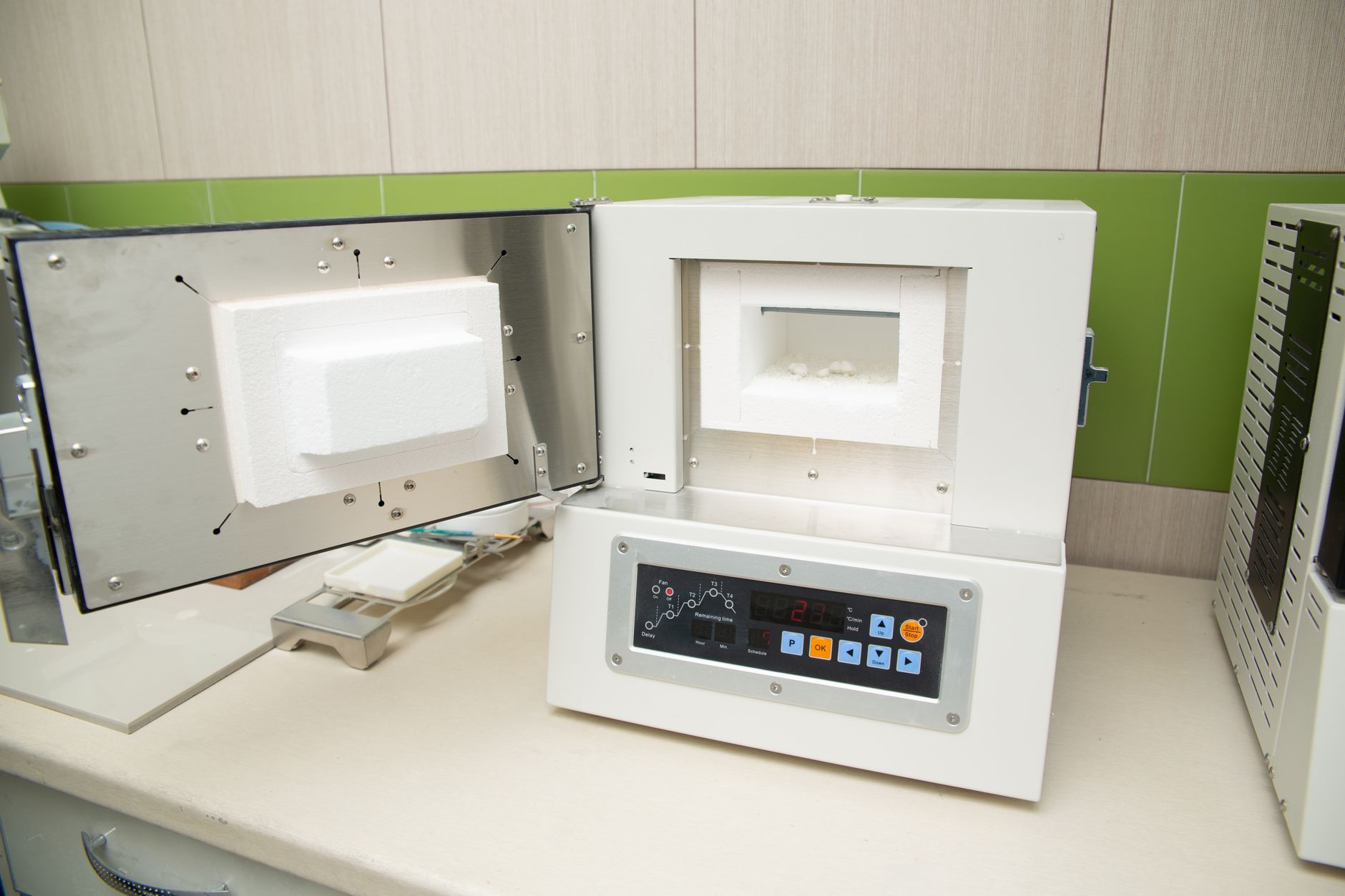
Batch nesting slowed every new scan
A high-volume dental laboratory milling ceramic crowns in single-part flow receives CAD scans throughout the day, but each crown still needs a blank loaded into a milling lathe for about ten minutes of machining.
Operators could not justify standing at one machine for a single ten-minute cycle, so the lab nested crowns in blocks of fifteen and only loaded the mill every two hours. That batch habit stretched the end-to-end production cycle and kept patients waiting on finished crowns.
- Ten-minute milling cycle per crown
- Fifteen-piece nesting blocks every two hours
- CAD scans arriving continuously
- Long total production cycle time
Collaborative tending with vision on shade dispensers
The lab added a six-axis collaborative robot that picks blanks from dispensers holding sixteen shades, loads the lathe, and unloads finished crowns onto a conveyor after each cycle. A vision camera watches the dispensers so the robot can switch shades if a lane is empty or jammed while alerting an operator to fix the feeder.
Single-part flow means each scan can enter the mill as soon as it arrives instead of waiting for fourteen more cases. Engineering treated the robot as an extension of the milling room rather than a separate batch station.
- Sixteen-shade blank dispensers with vision
- Immediate load after each CAD scan
- Conveyor unload after each ten-minute cycle
- Operator alerts only when feeders need help
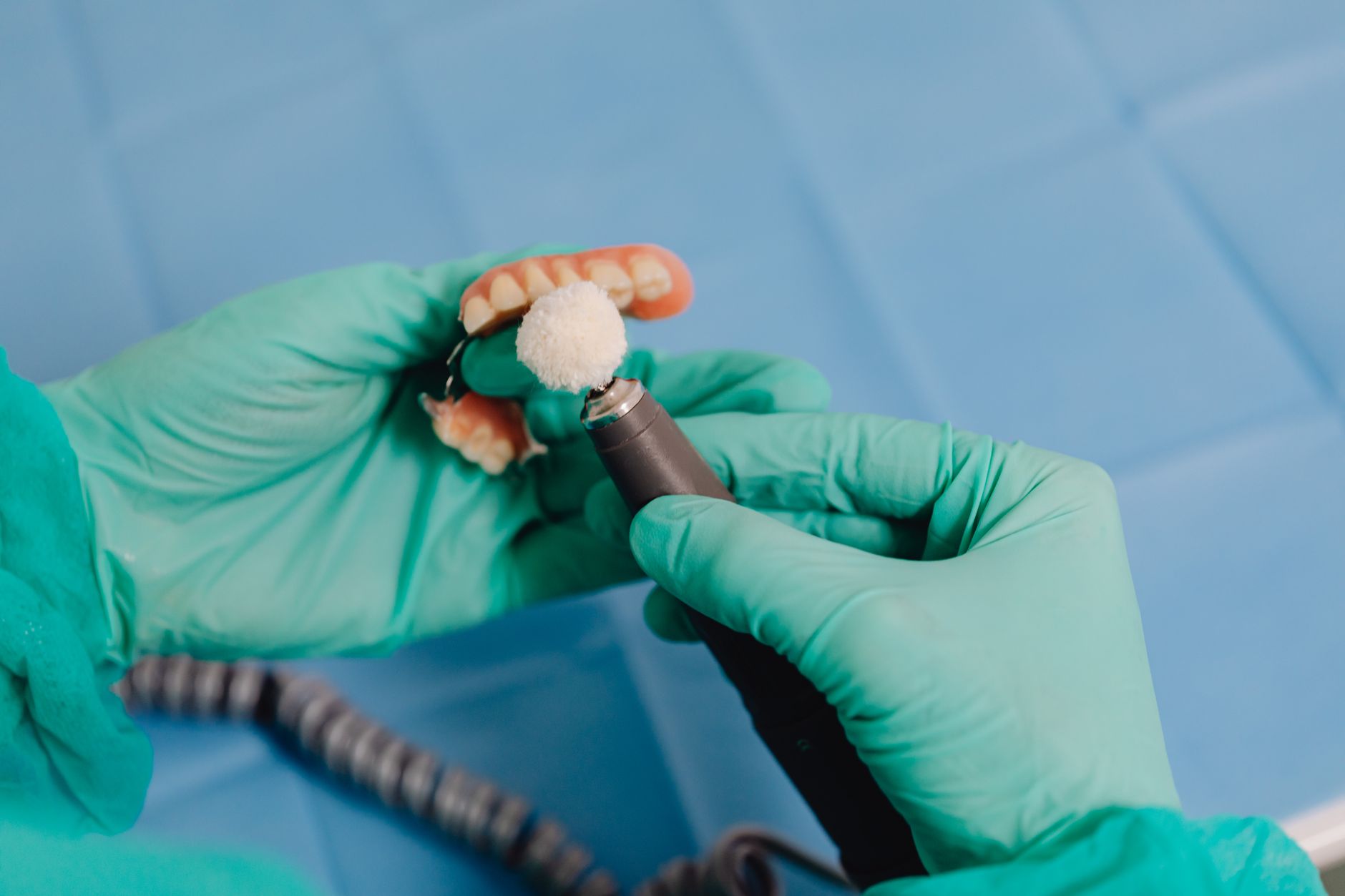
Eleven hours cut from the production cycle
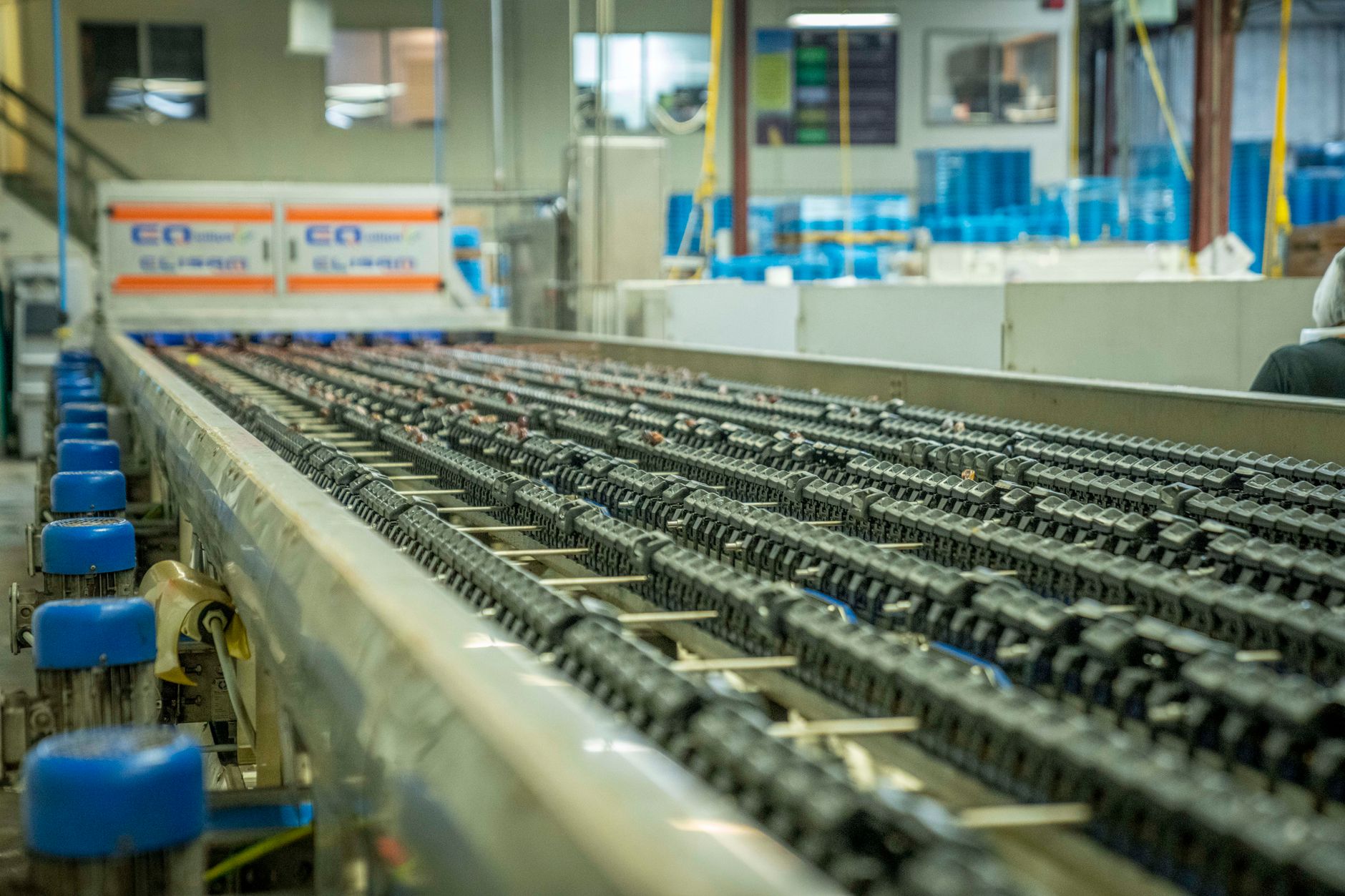
The documented deployment reports total crown production cycle time falling from twenty-eight hours to seventeen hours with dynamic single-part flow through the mill.
The same case study notes two operator positions per shift could be reassigned in the milling room because the robot sustains the machine through the ten-minute cycles. Patients see shorter waits, and downstream steps gain a steadier feed of finished units.
What chairside and lab groups can expect
When a ten-minute machine cycle blocks your workflow, cobot rental or machine tending leases let you prove single-part flow on one mill before you retool the whole lab. Service Robot Co. is vendor neutral: we match the arm, gripper, and vision kit to your blank sizes and shade count, then finance, deploy, integrate, train, and service through regional engineers in all fifty states.
A free site assessment on the milling room shows whether immediate loading from CAD scans is realistic on your lathe, and month-to-month robot leasing can align payments with case volume growth.