a 1,000-plus-employee dental laboratory in California
Dental Lab Machine Tending Cut Production Cycle by 9 Hours
A documented dental manufacturing case study: a California lab used a vision-guided cobot for single-piece flow and cut cycle time from 27 hours to 18.
- 9 hrs
- cycle time cut
- 18 hrs
- cycle after automation
- 2/shift
- milling operators freed
- 24/7
- operation supported
Based on a documented real-world deployment. Figures are from public reporting; the organization is not named.
Why Batch Loading Became the Bottleneck
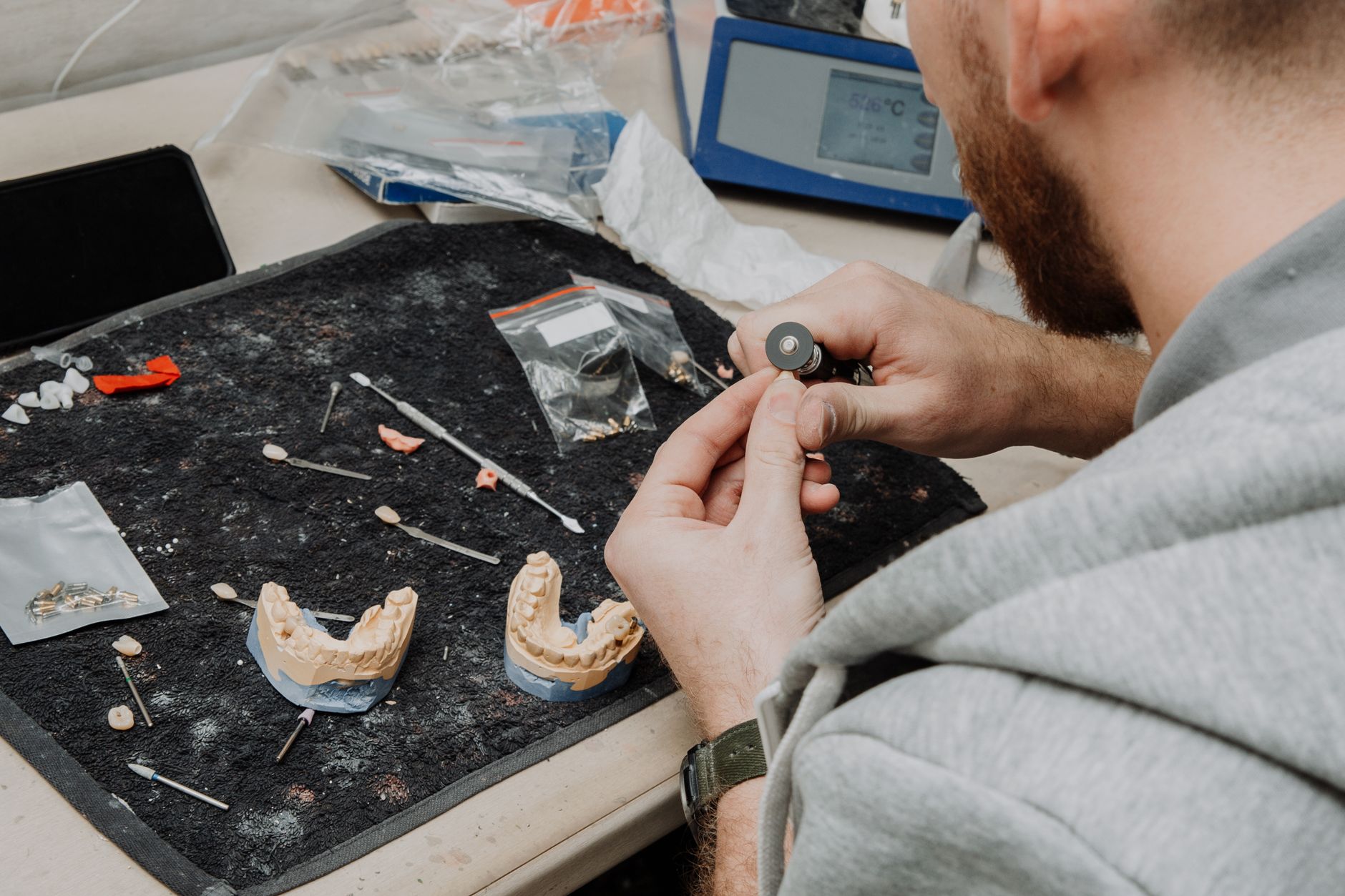
Producing dental crowns meant living with a 10-minute milling cycle. Because each cut finished so quickly, keeping an operator stationed at the machine was not practical, so crowns were loaded manually in batches of 15.
That batching rhythm reduced constant tending, but it also introduced waiting. Operators returned every two hours to reload, and a 24/7 production environment was left carrying a 27-hour production cycle.
- 10-minute milling cycle made constant human tending impractical
- Crowns were loaded manually in batches of 15
- Reloading happened every two hours
- The lab needed steadier flow across a 24/7 operation
How Single-Piece Flow Reached the Mills
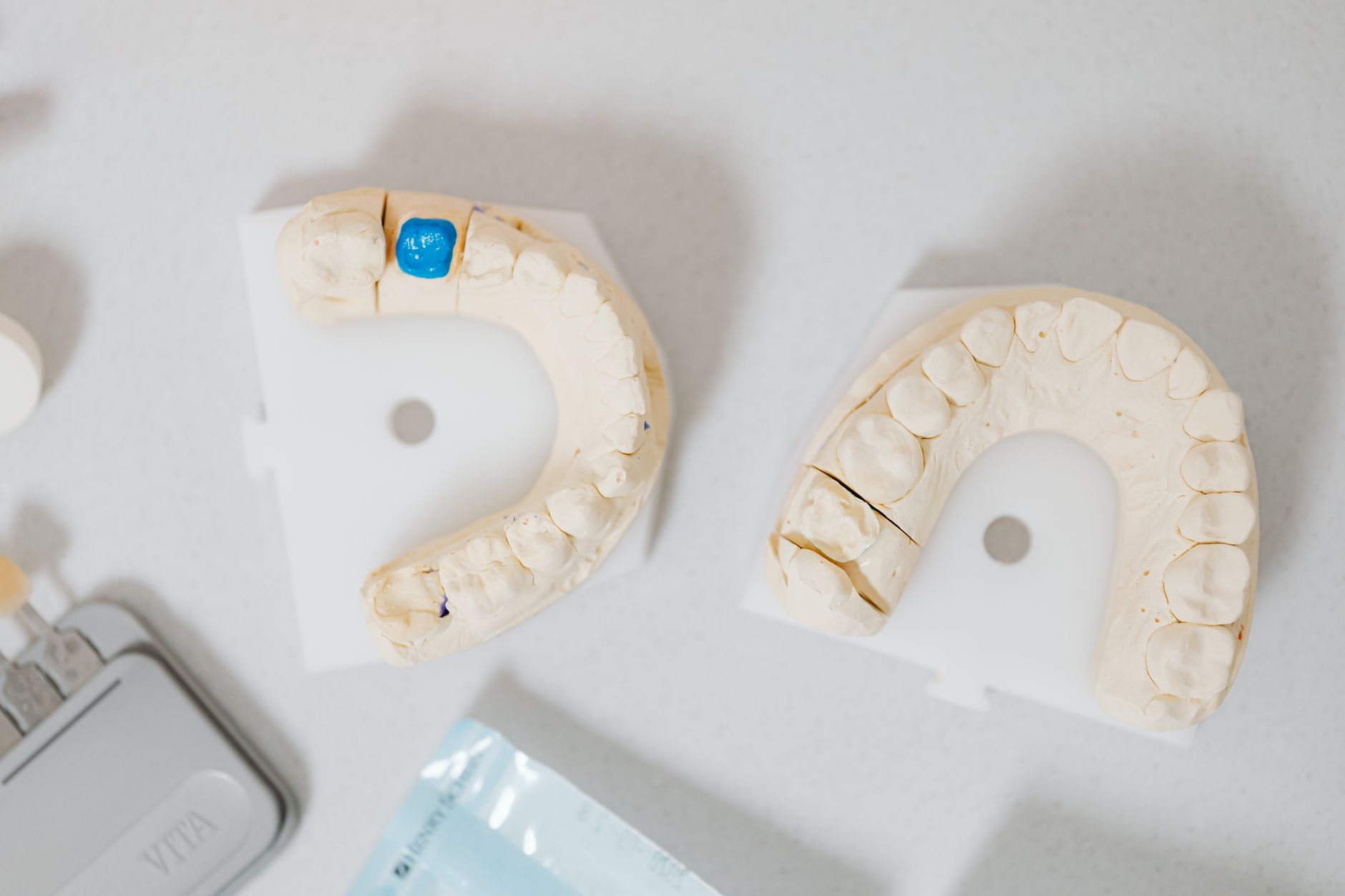
The documented rollout began by trying one machine-tending cobot. In the source's short summary, that cobot tended four CNC machines, picking a crown from the dispensers, loading the milling lathe, unloading it after the 10-minute cycle, and placing it on a conveyor.
A vision camera let the cell switch to a different shade when a dispenser ran out, so the work kept moving instead of pausing for a manual change. That is the crucial shift in this case: batch loading gave way to dynamic single-piece flow.
The published account does not describe formal training hours, service terms, or a staged expansion plan, so those details should not be invented into the story.
- Try a single cobot cell first
- Program pick, load, unload, and conveyor handoff
- Use vision guidance to switch shades automatically
- Let one cobot keep four milling machines fed
What Changed on the Floor
The measured result is explicit. Production-cycle time fell from 27 hours to 18 hours, removing nine hours from the cycle once single-piece flow replaced batching.
The same source says the cell saved two milling operators per shift. It also describes a 24/7 operation in which employees were freed to focus on more complex tasks, with the engineering manager tying that change to better overall product quality.
What This Signals for U.S. Manufacturers
This is not a Service Robot Co. deployment. It is a useful machine tending robot example because it shows where a cobot earns its keep: short machine cycles, repetitive part handling, and a manual pattern that looks manageable in isolation but drags the full production cycle.
Service Robot Co. positions itself as a vendor neutral robot integrator for US businesses, handling site assessment mapping, robot deployment and integration, training, finance, and nationwide service after the robot is selected. For manufacturers comparing collaborative robot arm leasing, cobot leasing for manufacturing, robot leasing for business, or leasing, the value is one accountable partner across the lifecycle.
That matters most when the cell cannot tolerate finger-pointing after go-live. A live plant usually needs a commercial robot demo or robot pilot program first, then a phased deployment no shutdown plan, plus remote triage, on-site dispatch, and commercial robot repair service once production depends on the cell.