a dental-supply fulfillment operation
Dental Fulfillment Picking Productivity Rises 300% With AMRs
See how collaborative picking AMRs raised dental-supply picking productivity 300% with 99% order accuracy while avoiding warehouse expansion.
- 300%
- Higher picking productivity
- 99%
- Order accuracy
- 50%
- Less added peak labor
- 90%
- Less training time
Based on a documented real-world deployment. Figures are from public reporting; the organization is not named.
More Orders, No More Floor Space
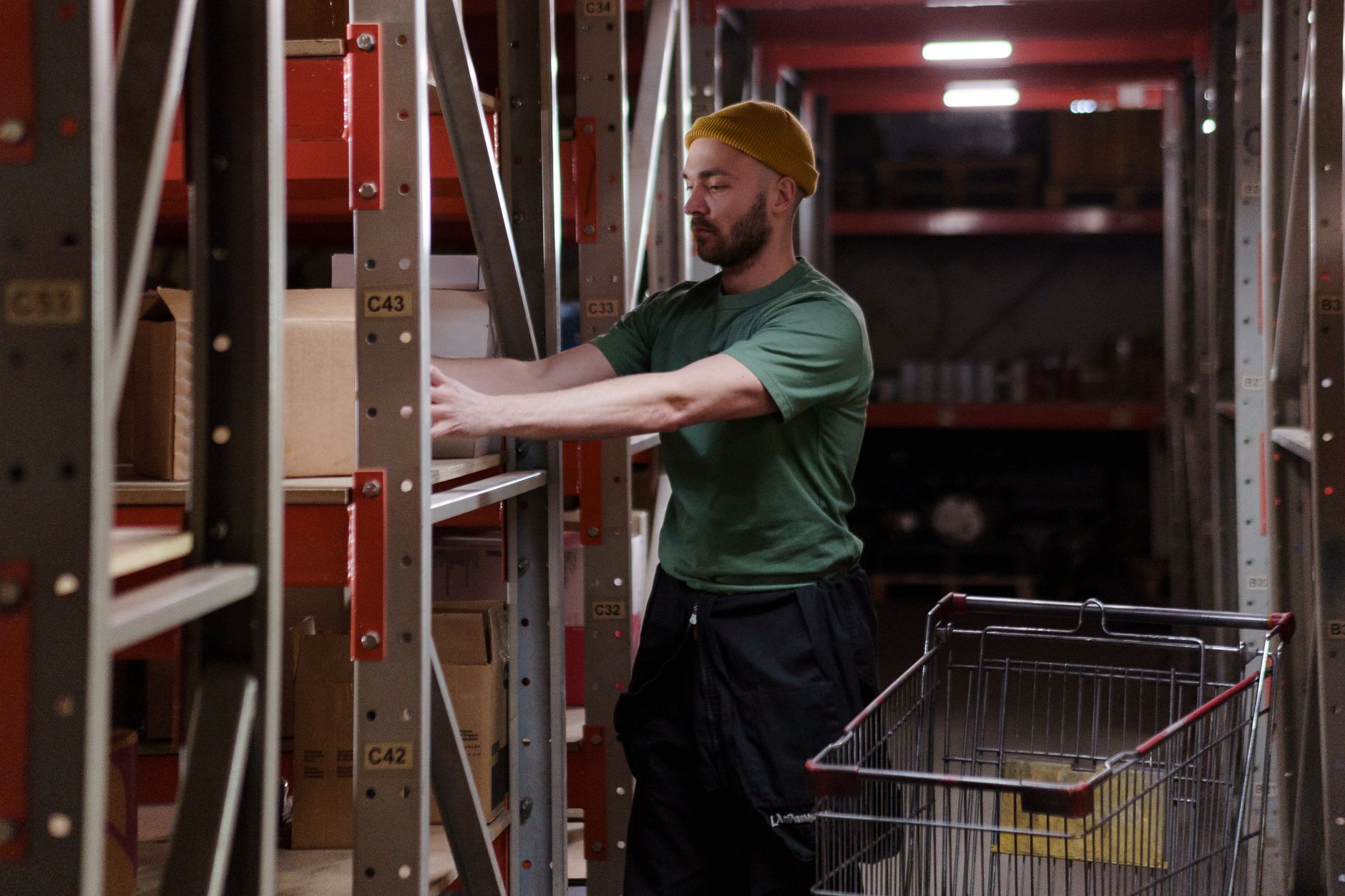
A dental-supply fulfillment operation faced rising order volume inside a fixed warehouse footprint. Its service commitment required same-day shipping for orders placed by 4:00 PM and delivery within two days, leaving little tolerance for congestion or sluggish picking.
Associates were walking long routes, pushing carts, and contending with crowded work areas. Productivity gains had begun to plateau. Expanding the building would have treated the symptom, but the sharper operational task was extracting substantially more capacity from the space already available.
- Increase fulfillment capacity without enlarging the warehouse footprint
- Reduce unproductive travel and cart handling across connected facilities
- Preserve exacting order accuracy as picking velocity increased
- Prepare for peak volume without proportional growth in added picking labor
Collaborative Picking Recast the Workflow
The operation deployed more than 20 collaborative AMRs across two connected warehouses and integrated them with its warehouse management system. The fleet supported both order picking and point-to-point transport, while zone-based picking allowed separate portions of an order to be fulfilled simultaneously.
Associates remained responsible for product handling and verification, but the robots absorbed much of the travel between work areas. Clear visual prompts guided each pick. This division of labor kept human judgment at the shelf while autonomous movement carried orders through the building.
The published account does not specify its rollout phases or service procedures. For a comparable AMR fleet deployment, a prudent program would validate the workflow in a bounded picking area, train associates on real orders, confirm system handoffs, and expand only after operational acceptance. That is the practical shape of phased deployment no shutdown planning, not a claim about how this documented project was scheduled.
- Baseline walking, congestion, pick paths, and warehouse management system handoffs
- Match robot payload and workflow capabilities to the facility rather than choosing by brand
- Pilot zone-based picking and transport with representative orders
- Train associates, validate exception handling, and measure accuracy before expansion
- Establish remote triage, on-site dispatch, and a robot maintenance service plan before go-live
Capacity Rose Inside the Existing Walls
Picking productivity increased 300%. The published summary reports 99% order accuracy, while the detailed case study records consistent accuracy of 99.85%. Most orders were completed within five minutes, aided by simultaneous zone fulfillment and visual picking prompts.
The operating gains extended beyond speed. Additional peak picking labor decreased 50%, and training time decreased 90%. Associates also avoided lengthy walking routes and heavy cart pushing, with one transport workflow eliminating a 10-minute round trip each time it ran.
Crucially, the operation expanded capability without expanding its physical footprint. Management reported that the new configuration positioned the business to double capacity within its existing space. That makes the case as much about facility economics and growth headroom as labor productivity.
The Integration Lesson for Growing Distributors
This is an independent analysis of a documented deployment. Service Robot Co. did not design or run the project. Its relevance is the decision pattern: a distributor needed more throughput, less travel, dependable accuracy, and a path to growth that did not begin with additional real estate.
Service Robot Co. is a full-service, OEM-neutral commercial robot integrator for US businesses. We assess the site, select equipment across manufacturers, arrange financing, deploy and integrate each unit, train the workforce, and service the fleet through a nationwide US engineer network. The customer retains a single accountable partner across the robot lifecycle.
For operators comparing autonomous mobile robot leasing, AMR leasing, warehouse robot leasing, or robot leasing for business, procurement structure is only part of the decision. Workflow fit, warehouse management system compatibility, go-live support, and maintenance coverage determine what survives contact with daily operations. Monthly payment programs can address capital constraints, while disciplined robot deployment and integration protects the operating case behind the equipment.