
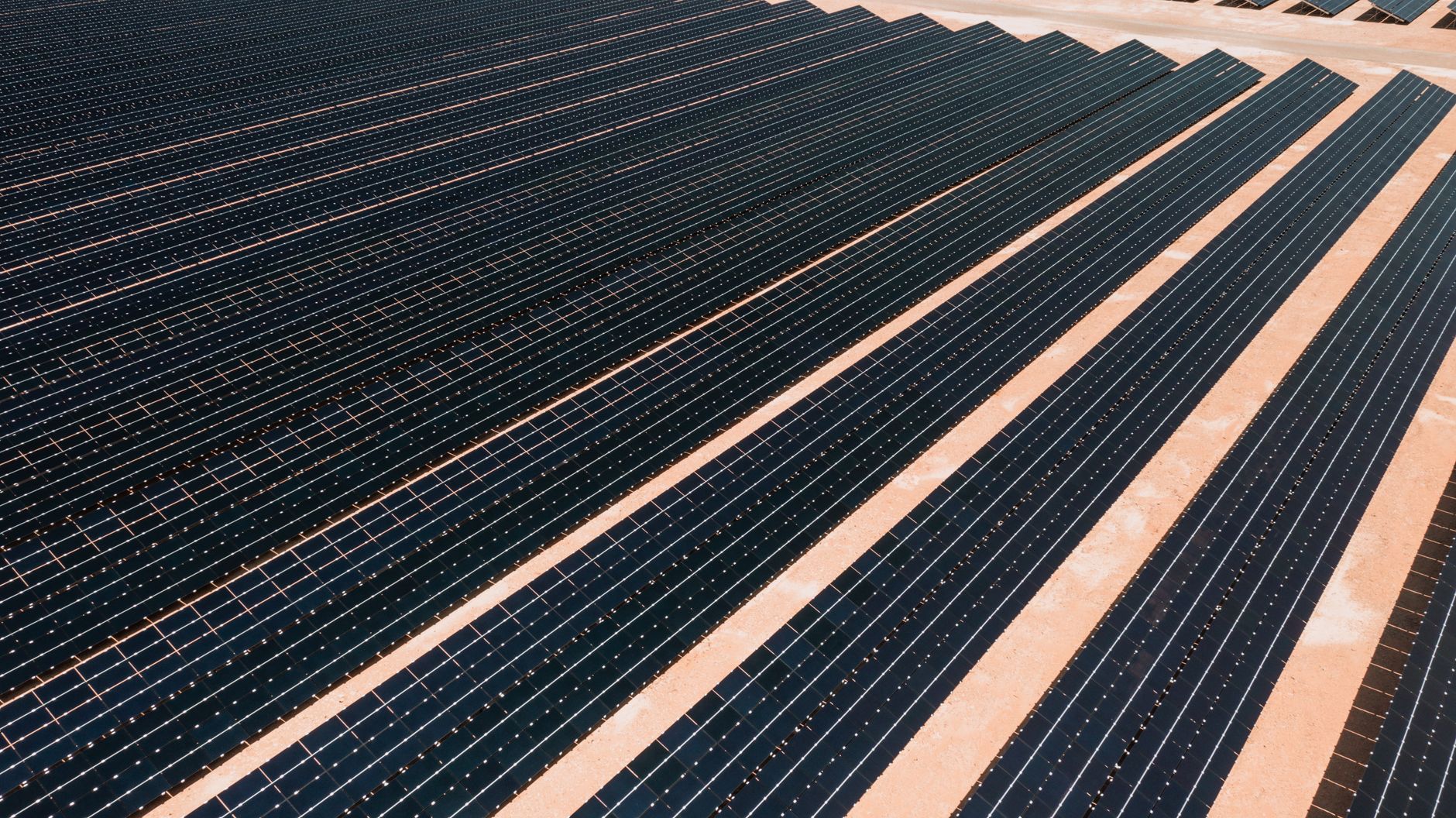
an 8-hectare utility-scale solar park in a desert region
Nightly Solar Cleaning Removes 99% of Panel Dust
See how an 8-hectare utility-scale solar park in a desert region moved from five-day manual cleaning to nightly robots removing 99% of dust daily.
- 99%
- panel dust removed daily
- ~100
- robots cleaning nightly
- 5 days
- former manual cycle
- About 9x
- manual cleans per year
Based on a documented real-world deployment. Figures are from public reporting; the organization is not named.
Dust Was Setting the Maintenance Calendar
At an 8-hectare utility-scale solar park in a desert region, frequent sandstorms kept depositing abrasive dust on the panels, while virtually no rain provided natural rinsing. The source notes that photovoltaic soiling can reduce output by up to 35%, though it does not report that exact loss at this facility.
Cleaning was necessary but awkward. Labor-intensive, water-based crews cleaned the panels about nine times a year, and each manual cycle could take up to five days while the field operated below its best and sensitive equipment remained exposed to crew activity.
- Long intervals allowed dust to accumulate between cleaning cycles.
- Manual work required water in a region with virtually no rain.
- Multi-day access added operational exposure around sensitive photovoltaic equipment.
Pilot First, Then Fieldwide Night Work
The project team conducted a worldwide search for equipment that could tolerate demanding desert weather. Selection centered on water-free cleaning, using soft microfiber elements and controlled airflow without placing a load on the panel surface.
A live-site pilot demonstrated 99% daily dust removal. After that validation, the fleet expanded across the entire field in less than three months, and almost 100 energy-independent units were centrally controlled and remotely managed to clean every night.
The published account does not describe operator training, handover routines, or the ongoing service contract. Those details should not be invented, and they remain essential due-diligence items for any buyer assessing a similar deployment.
- Screen for climate fit, panel compatibility, and water-free operation.
- Validate cleaning efficacy in a live-site pilot.
- Expand across the field only after performance is demonstrated.
- Establish central monitoring and remote control before nightly operation.
A Different Maintenance Rhythm
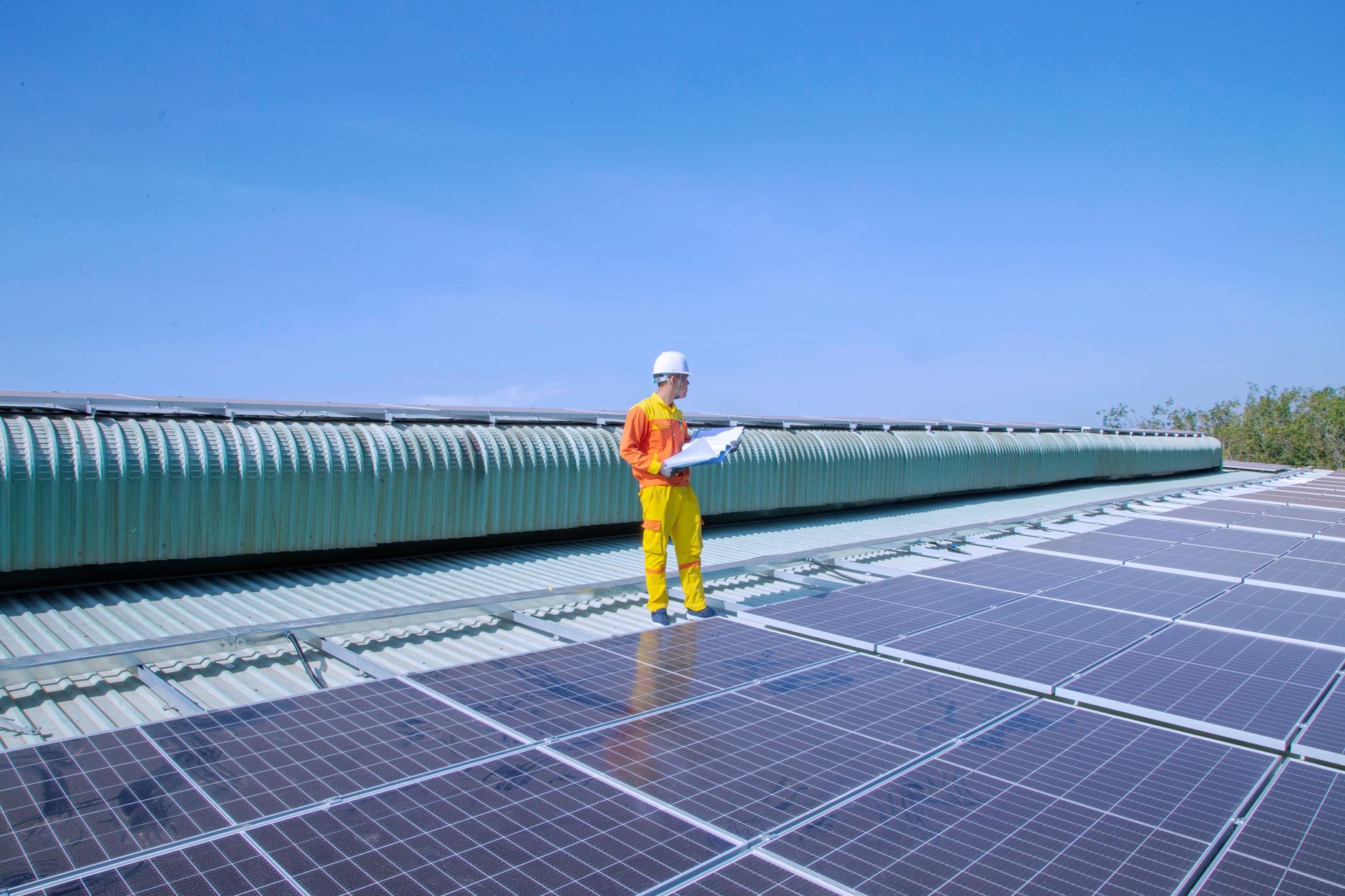
The central result was cadence. Instead of waiting for one of about nine annual manual cycles, the whole field was cleaned every night, and the robots handled the work outside sunlight production hours.
The source reports 99% of panel dust removed daily by the microfiber-and-airflow process. That is a cleaning-performance figure, not a claim that electricity output rose 99%.
The system also eliminated water from routine panel cleaning and reduced the need for on-site cleaning crews. The record supports those operating changes, but it does not quantify water saved, labor hours eliminated, or a site-specific energy gain.
What This Operating Model Requires

This documented deployment was not run by Service Robot Co. and is presented as a real-world example. Its lesson for US solar operators is architectural: high-frequency automation works when equipment fit, pilot evidence, integration, staff readiness, and field service are treated as a single operating system.
Service Robot Co. is a vendor neutral robot integrator for US businesses. We compare equipment across manufacturers, conduct a free site assessment, structure a commercial robot pilot program, and handle robot deployment and integration, team training, financing, and continuing support through a nationwide engineer network.
That single-vendor lifecycle matters at exposed solar assets, where a machine that cleans well but cannot be maintained becomes another availability risk. A clearly defined robot maintenance service plan keeps responsibility with the same partner from selection through field support.