a global in-vitro diagnostics manufacturer producing control and calibration materials for toxicology and clinical labs
How a Diagnostics Plant Labels 1,000 Vials an Hour With 30% Faster Cycles
A global diagnostics maker kept reagents upright, hit 1,000 labelled vials per hour, and cut labelling cycle time 30% with SCARA arms and machine vision.
- 1,000/hr
- Labelled vials at peak
- 30%
- Shorter cycle times
- Vertical
- Tube handling end to end
- Inline QC
- Vision rejects bad tubes
Based on a documented real-world deployment. Figures are from public reporting; the organization is not named.
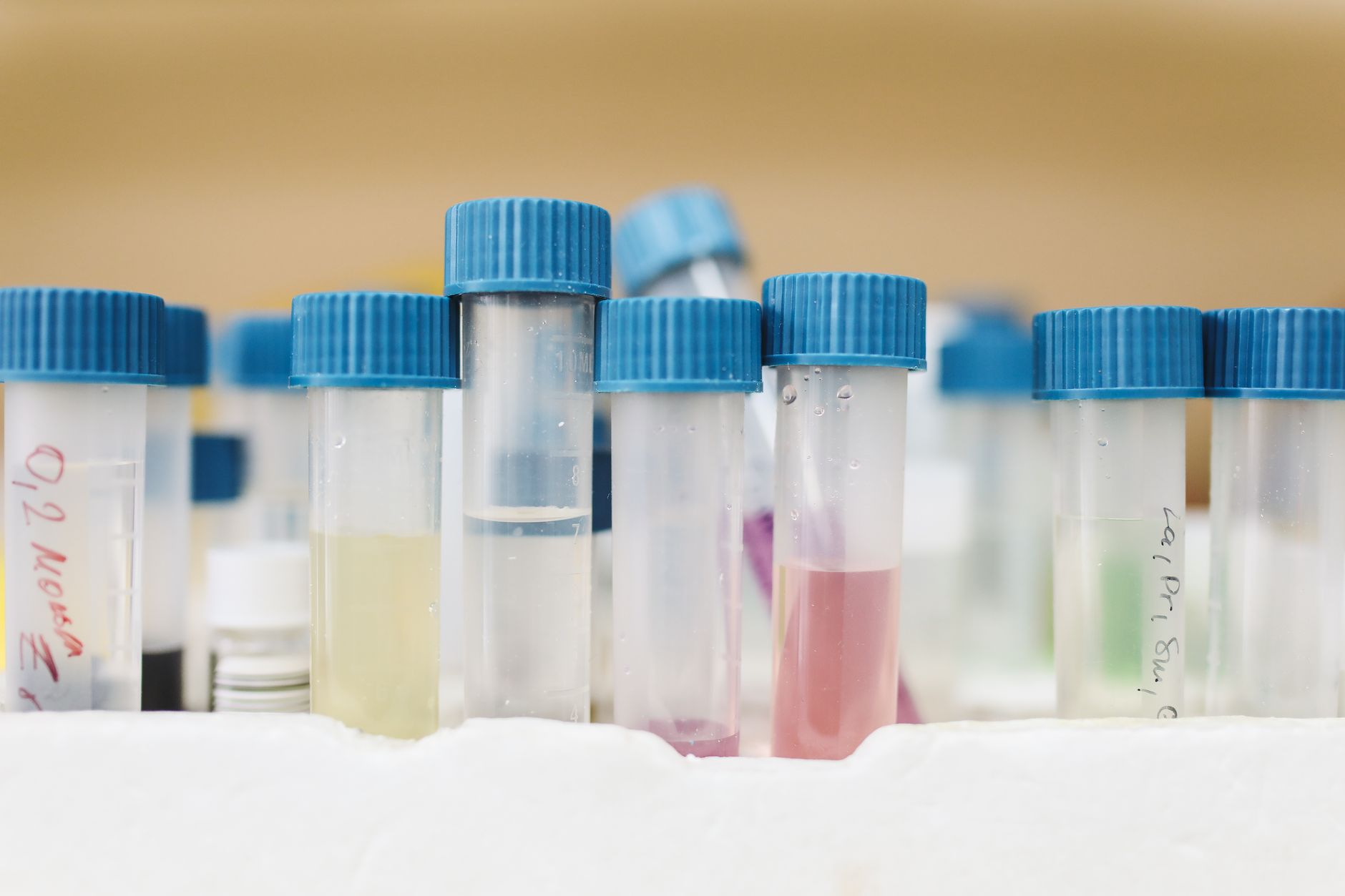
Demand outran manual labelling
Clinical and toxicology labs were ordering more control and calibration vials. The materials are sensitive: tilt a tube wrong and reagent quality suffers. Legacy labelling could not keep tubes upright through fill and label, and manual stations could not match the speed toxicology customers expected.
Traceability mattered as much as throughput. Each vial needed reliable barcode and label placement, with a clear path to reject anything that failed inspection. The plant manager needed a line that protected product integrity while raising hourly output.
- Surging orders for control and calibration materials
- Reagents that must stay vertical through handling
- Manual labelling that could not hit required speed
- Need for traceability and inline quality checks
Vertical handling with vision-guided SCARA cells
The manufacturer worked with integration partners to design an automated vial labelling line built around compact SCARA arms and smart vision cameras. The layout keeps vials upright from filling through labelling so sensitive reagents never tip during transfer.
Vision checks barcode and label placement in real time. Tubes that fail inspection are rejected automatically, which limits scrap and keeps bad labels from reaching labs. Engineers used virtual simulation before hardware arrived so they could predict performance, tune reliability, and trim implementation risk.
- Map fill-to-label path with vertical tube transport
- Deploy SCARA arms for precise label application
- Add vision for barcode placement and inline reject
- Simulate the cell digitally before install
- Train operators on exceptions and recovery

Measured gains on the line
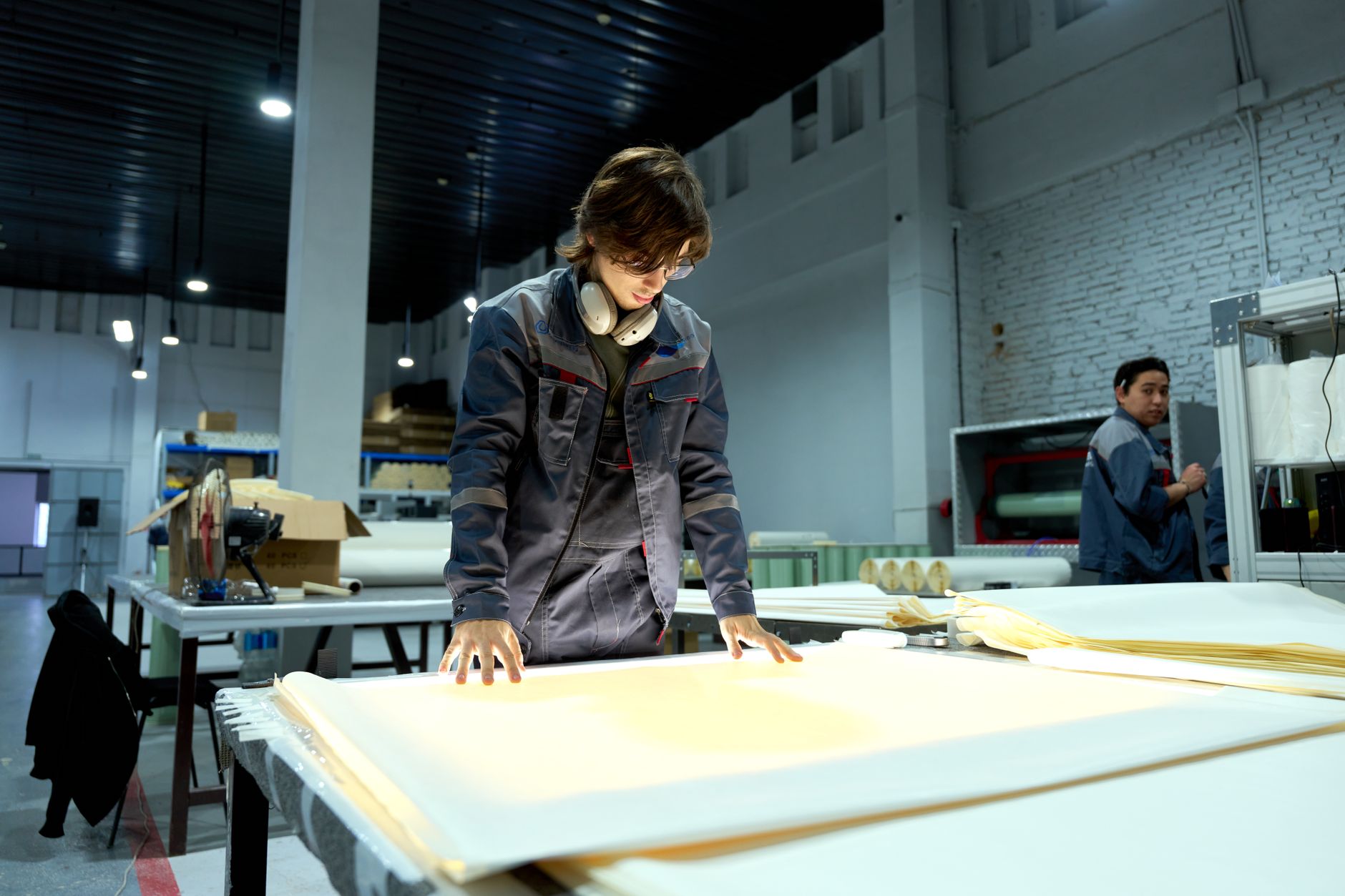
The automated cell labels up to 1,000 vials per hour at peak, a step change from manual pacing on high-demand SKUs. Cycle times fell about 30% compared with manual labelling, which freed capacity without adding headcount at the station.
Quality control improved because vision verifies every tube and diverts non-conforming units before they ship. Simulation-led design reportedly cut implementation cost and raised confidence before go-live. The plant can scale toxicology and clinical control materials while keeping handling rules that labs trust.
What US diagnostics and pharma packagers can borrow
This deployment is a documented industry example, not a Service Robot Co. customer story. It still shows what a vendor-neutral integrator can replicate: match robot class to container geometry, wire vision for traceability, and phase rollout so validation batches stay clean.
Service Robot Co. selects hardware across manufacturers, then finances, deploys, trains, and services units through a nationwide engineer network. For end-of-line labelling or high-mix vial work, that means one partner for site assessment, monthly robot rental or lease paths when capital is tight, and on-site dispatch when a cell needs tuning.