
a US manufacturer of precision disc springs for critical applications
Robotic Inspection Cell Raises Spring Capacity 10×
See how a compact dual-SCARA inspection cell automated testing, sorting and records, giving a precision spring manufacturer 10× production capacity.
- 10×
- Production capacity
- 2
- Additional systems ordered
- 3
- Matching cells total
- 3×
- Results verification
Based on a documented real-world deployment. Figures are from public reporting; the organization is not named.

A Skilled Inspector Became the Capacity Ceiling
A US manufacturer of precision disc springs for critical applications relied on its most experienced technician for visual and mechanical inspection. The work was repetitive and time-consuming, and the manual process carried a heightened risk of error.
Demand exposed the deeper constraint. Inspection capacity could not keep pace with production ambitions, yet any new equipment also had to fit into tight existing floor space. Scaling the operation meant preserving exacting tolerances without making scarce expertise the limiting factor.
- Manual inspection concentrated critical process knowledge in a highly experienced technician.
- Visual and mechanical checks were vulnerable to inconsistency and human error.
- Limited inspection capacity prevented production from scaling.
- The available footprint constrained the design of the robotic inspection cell.
A Compact Cell Took Control of the Full Inspection Sequence
The deployment began with a review of the existing workflow and its bottleneck. Engineering and production personnel then collaborated on a compact dual-SCARA cell designed around the actual sequence of work, rather than automating an isolated motion.
After an operator loaded trays and closed the cell, the system handled the process. It loaded parts, used vision to confirm orientation and count, transferred each spring into a mechanical tester for tension measurement, sorted accepted and rejected parts, and recorded the results in a central database.
The initial cell also served as the proof point for expansion. The published account does not describe its training syllabus or ongoing service arrangement, so those elements should be treated as buyer requirements rather than claimed features of this deployment.
- Map the inspection sequence and identify each manual decision point.
- Fit loading, vision, testing, sorting and documentation into a compact cell.
- Validate the initial installation against production and quality requirements.
- Use the proven cell architecture as the basis for subsequent systems.
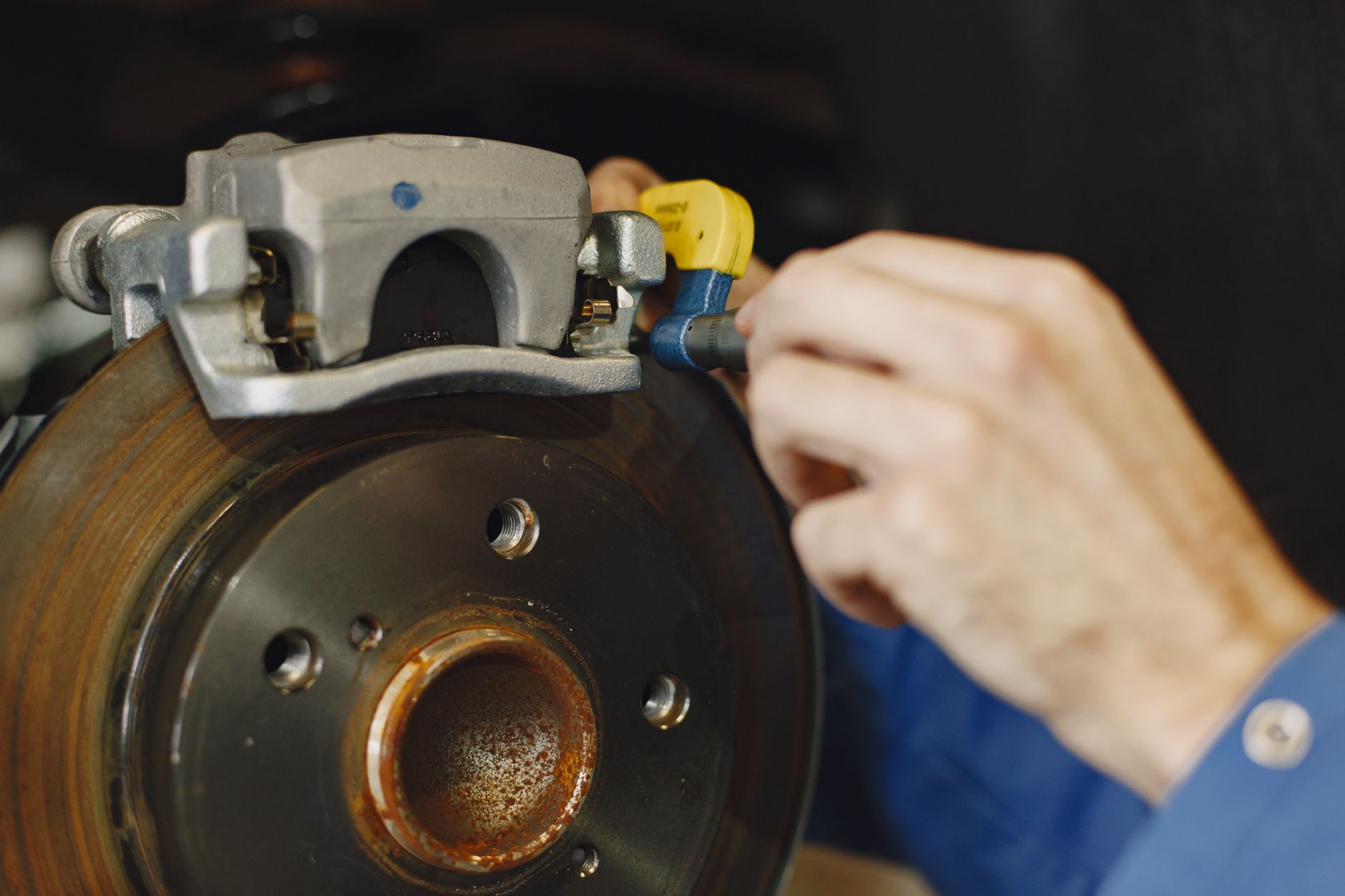
Inspection Capacity Rose Without Diluting Control
The automated process increased production capacity 10×. A workload previously limited to a few thousand parts could support ten times the volume, while the manufacturer also reported better quality consistency and lower error rates.
Traceability strengthened alongside throughput. Results were triple verified and fully documented, giving the manufacturer greater confidence that finished springs met demanding precision and tolerance requirements.
The compact cell fit within the existing production area. Its performance prompted orders for two additional identical systems, creating three matching cells with greater redundancy, more throughput and room to evaluate new product types without disrupting established production.
What This Example Means for Service Robot Co. Customers

This is an independently documented deployment that Service Robot Co. analyzes, not a project it claims to have delivered. Its central lesson is highly transferable: inspection automation works best when robot selection, metrology, part handling, data capture and floor-space constraints are engineered as a coherent operating system.
Service Robot Co. is a full-service, OEM-neutral commercial robot integrator for US businesses. As a vendor neutral robot integrator, we select equipment across manufacturers and provide robot deployment and integration, financing, training and service through a nationwide US engineer network. Customers can evaluate an inspection robot lease, monthly payment programs or a commercial robot pilot program with a unified partner responsible for the lifecycle.
That continuity matters after go-live. A defined robot maintenance service plan, remote triage and on-site dispatch keep technical ownership clear when production conditions change or a cell needs attention.
Frequently asked questions
Want a robot working for you?
Tell us the job and the site. We will recommend the robot, quote the lease, and keep it serviced.