a large U.S. discount retailer's distribution center with dense roller racking and a 300,000-square-foot mezzanine
How a Discount Retail DC Stopped $500 Under-Rack Sweeps With Autonomous Sweeping
A discount retail DC ended $500 one-time sweep fees under dense racking and across a 300,000-square-foot mezzanine after a 2024 autonomous sweeper pilot.
- $500
- Sweep fee cut
- 300K sq ft
- Mezzanine area
- 2024
- Pilot completed
Based on a documented real-world deployment. Figures are from public reporting; the organization is not named.
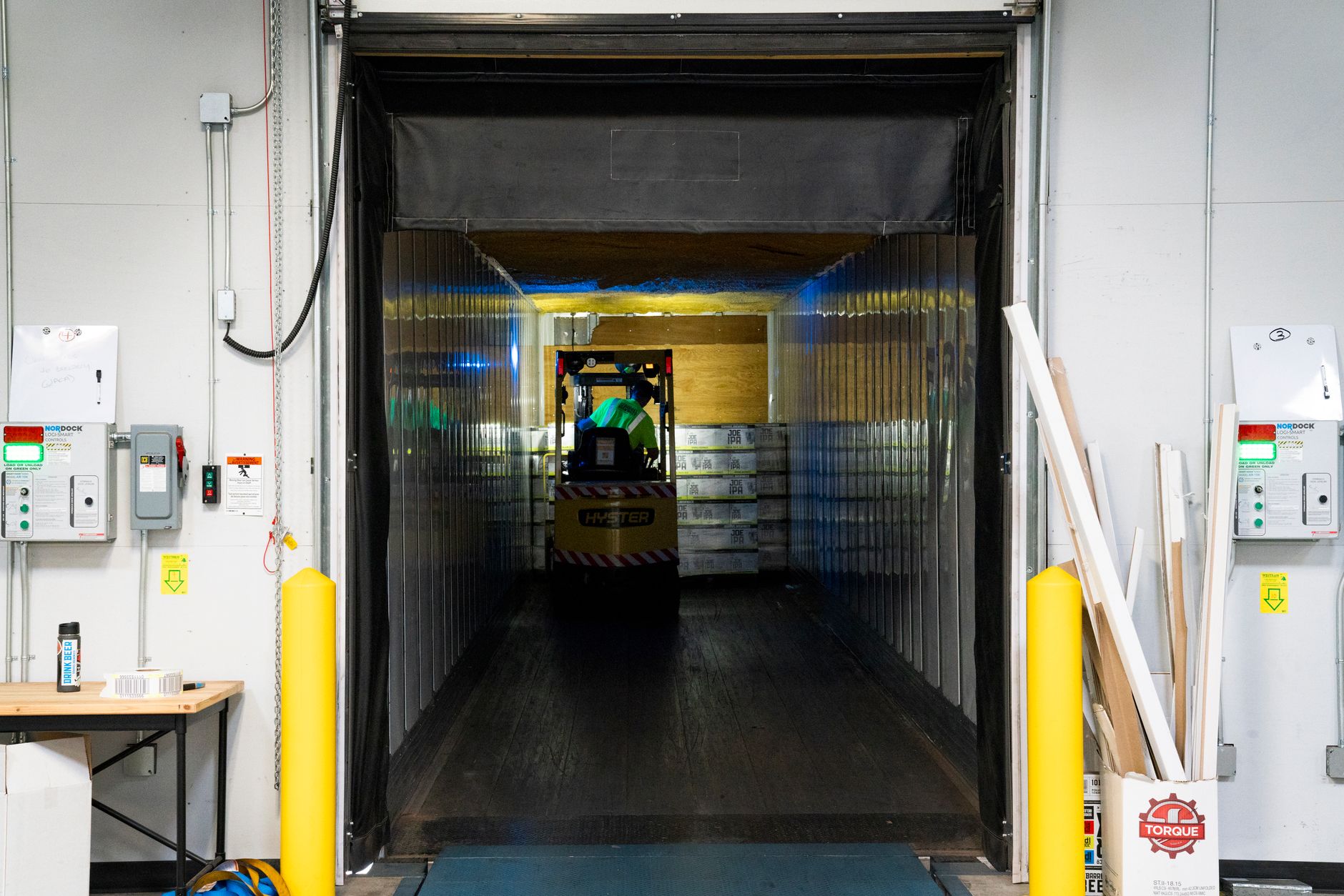
Debris where big scrubbers cannot go
Industrial sweeper-scrubbers kept main traffic aisles presentable at a large U.S. discount retail distribution center, yet grit still collected in the places those machines could not enter. Dense roller racking sat too low for standard equipment, and a 300,000-square-foot mezzanine added miles of tight clearance where cardboard dust and packaging scraps piled up.
Contracted cleaners billed extra for one-time sweeps of those hard-to-reach zones on top of the monthly base contract. Sweeping under racks also carried head-injury risk, so crews often skipped them for weeks. Debris then wore powered industrial truck wheels and raised slip hazards in active pick paths.
- Low clearance under dense racking blocked conventional scrubbers
- Mezzanine floors needed frequent sweeps across a very large footprint
- Out-of-contract sweeps carried a reported $500 charge per instance
- Manual under-rack work was slow and treated as a safety concern
Pilot, then targeted autonomous coverage
Operations ran a proof of concept in 2024 to see whether a compact, low-profile autonomous sweeper could navigate under racking, along walls, around conveyors, and across mezzanine decks without pulling pickers off task. The unit mapped tight aisles with onboard sensors and ran on a schedule that avoided peak forklift traffic.
After the pilot, leadership approved deployment at one distribution center as the first step toward a broader rollout. An integration partner handled commissioning and ongoing automation support so warehouse managers could treat floor care like any other capital equipment with a service path.
- Mapped under-rack and mezzanine routes during a 2024 proof of concept
- Selected a low-clearance autonomous sweeper built for industrial debris
- Started at one DC site before planning additional facilities
- Paired deployment with partner-led automation support
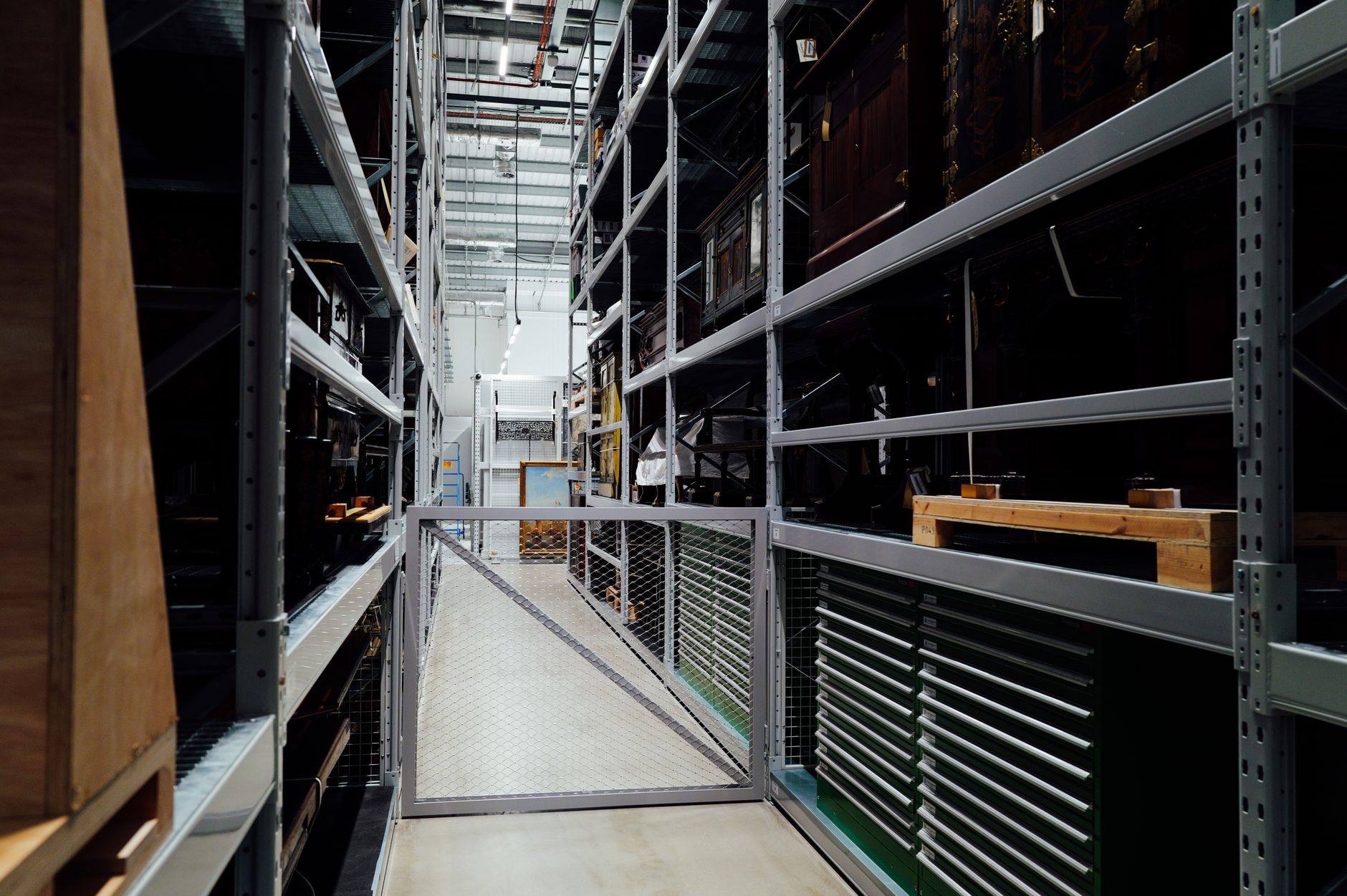
Cleaner tight zones without surprise invoices
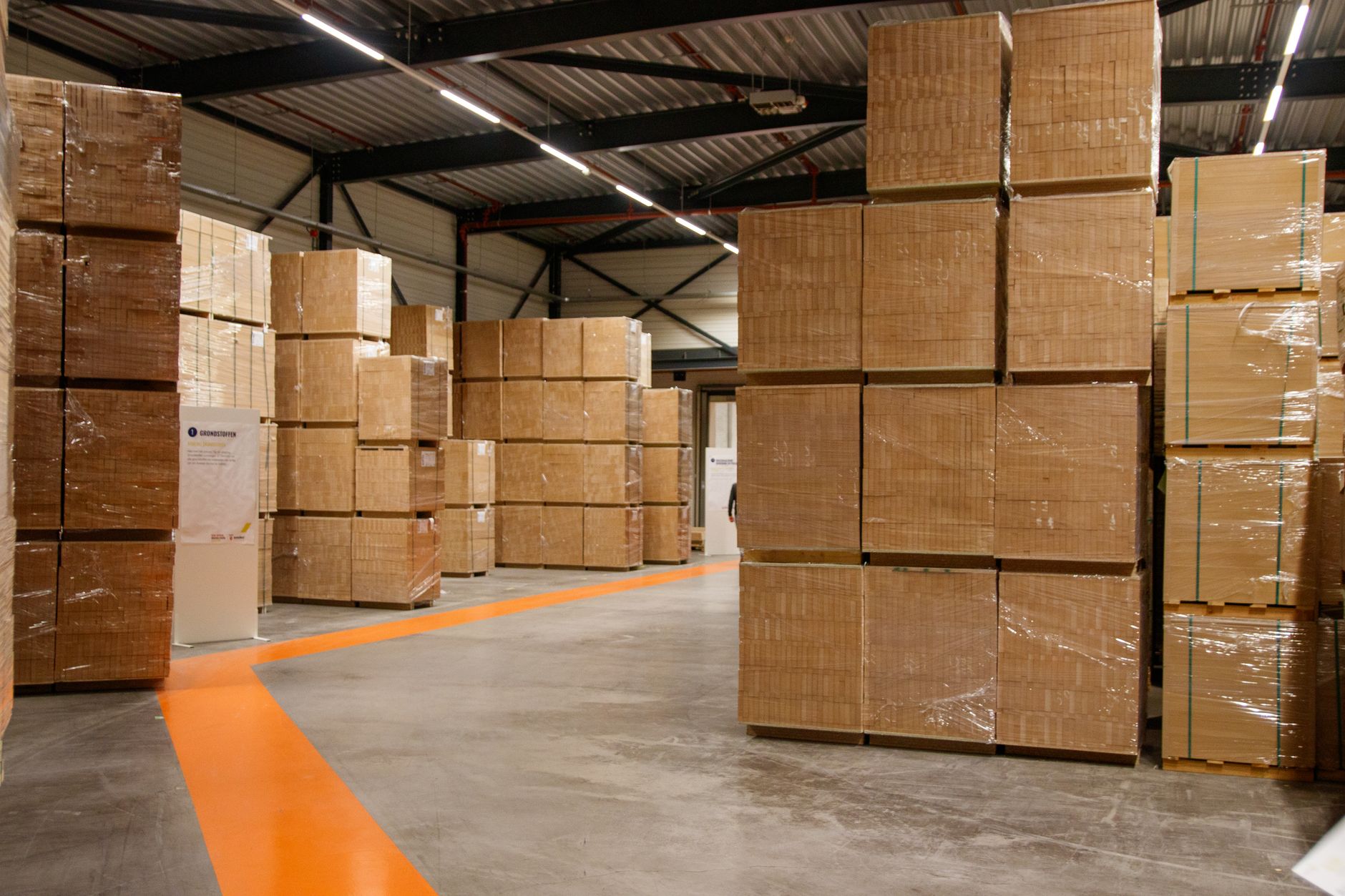
The autonomous sweeper began clearing zones that had relied on costly manual call-outs. Public reporting on the deployment states the site eliminated $500-per-instance charges for out-of-contract cleaning under racks and other unreachable areas.
Facility leaders also cited fewer manual cleaning interventions, less debris-driven wear on powered industrial truck wheels, and cleaner mezzanine floors that had previously gone long stretches between sweeps. The retailer described the first site as a template for scaling similar units across additional distribution centers.
What distribution operators can borrow
This story is a documented industry example, not a Service Robot Co. client claim. It still shows why vendor-neutral integrators matter when the problem is form factor, not aisle width. Big scrubbers win on throughput in open lanes, but retail and e-commerce DCs often fail on the last 20 percent of floor area under rack and on elevated platforms.
Service Robot Co. helps U.S. operators compare autonomous sweepers and scrubbers, then supports commercial robot rental or robot leasing for business with monthly payment programs when a pilot makes more sense than a capital purchase. Site assessment, deployment mapping, maintenance included plans, and nationwide on-site dispatch keep one partner accountable from demo through night-shift autonomous scrubber rental scale-up.