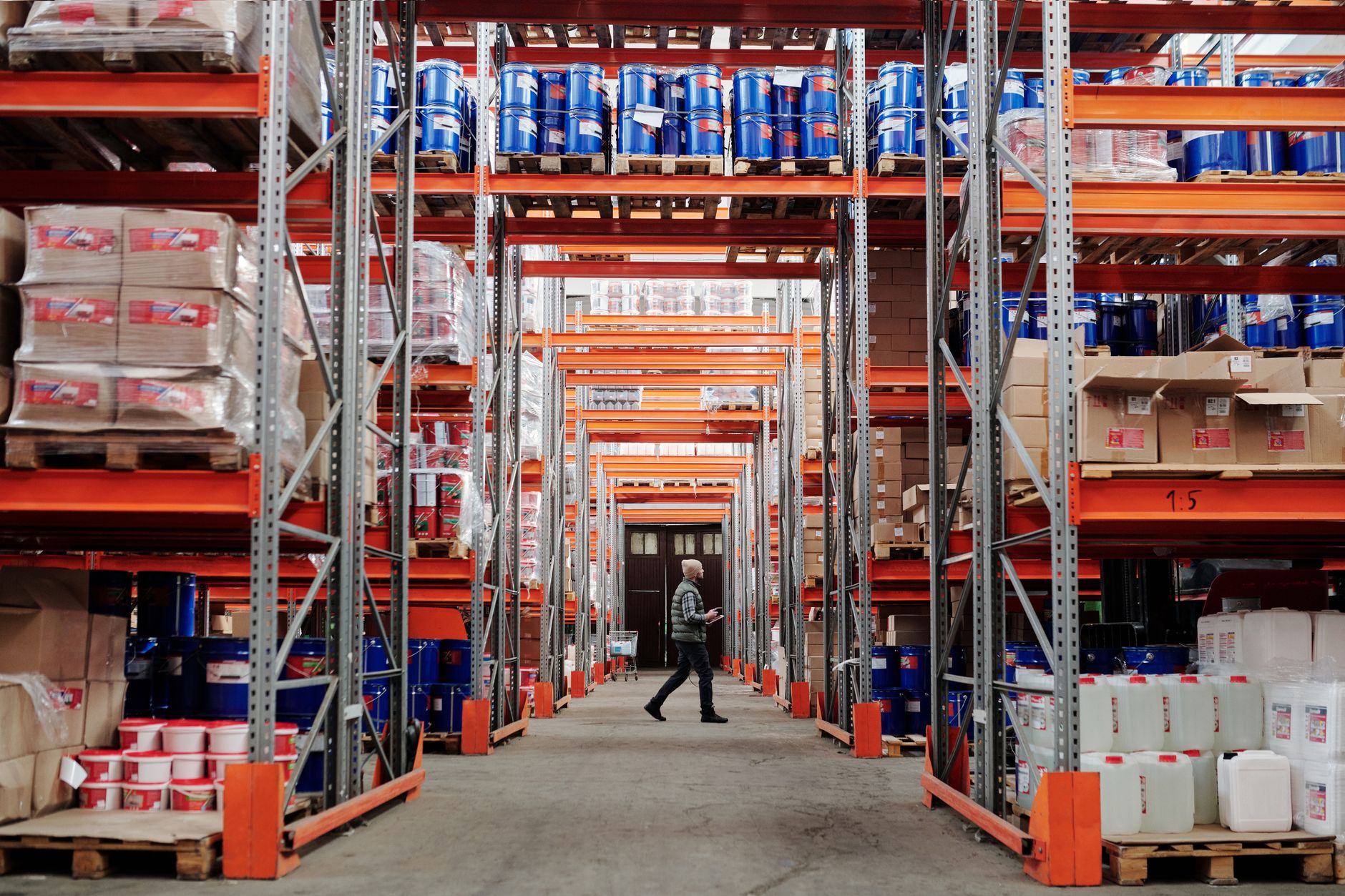
a European drive-and-automation equipment factory
Factory AMR Raises Workstation Productivity 10 to 15%
See how a European factory used a finished-goods AMR to remove repeated carrying, cut daily manual handling, and raise workstation productivity 10 to 15%.
- 10 to 15%
- higher workstation productivity
- 2,000 kg
- daily carrying removed
- 2 to 4 min
- complete transport cycle
- 5 km/day
- average autonomous travel
Based on a documented real-world deployment. Figures are from public reporting; the organization is not named.
Packed Goods Were Pulling Operators Off Task
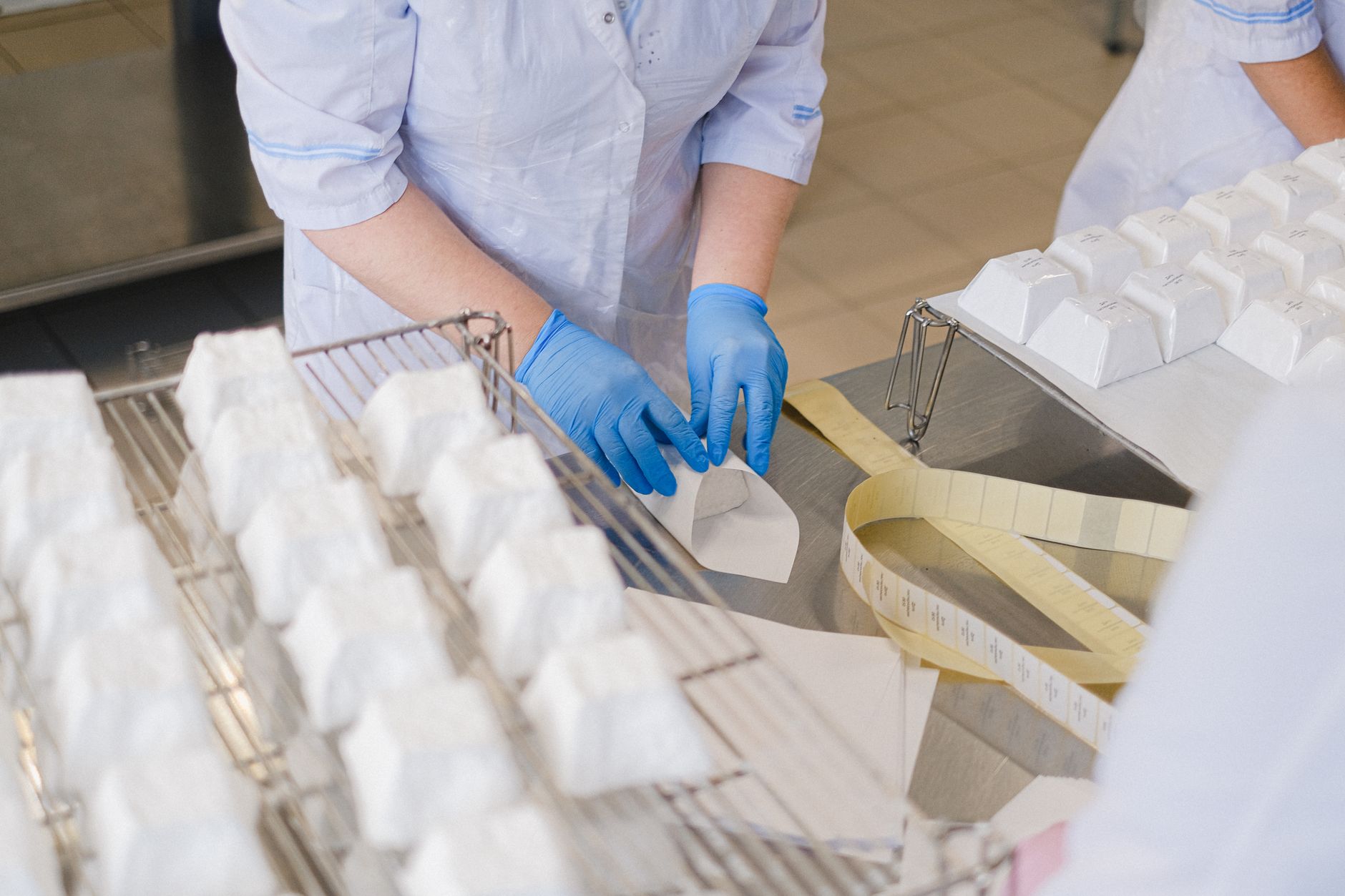
At a small-parcel packing station, operators repeatedly picked up finished packages and carried them to pallets beside the workstation. Every trip interrupted productive work and added another manual lift to the shift.
The accumulated burden was substantial: about 2,000 kg of load carrying each day. The repeated movement also created an ergonomic concern, with the operation identifying motions that could contribute to musculoskeletal disorders.
Management needed repetitive transport automation that could work amid regular pedestrian traffic. It also had to connect the packing point with the pre-shipment consolidation area without imposing a fixed-path material-flow system.
- Keep operators at the packing station instead of walking completed parcels away
- Reduce repeated carrying and the associated ergonomic exposure
- Move finished goods predictably through a busy, shared factory environment
- Coordinate transport with existing packing and consolidation equipment
An AMR Joined the Packaging Flow
The factory selected a finished-goods transport AMR equipped with a powered conveyor. When a packed box became ready, the system called the robot to the workstation, identified the box size, transferred the package aboard, and dispatched it to consolidation before shipment.
At the destination, the onboard conveyor placed the box onto a receiving station. The full sequence, including travel, box analysis, loading, and transport, took 2 to 4 minutes.
The implementation ran from requirements drafting through commissioning and took 1 year. Operators received basic training, while autonomous routing allowed the AMR to respond to obstacles and people instead of remaining confined to a rigid predefined path.
- Define the transport task and integration requirements
- Connect powered pickup and drop-off stations to the AMR workflow
- Map autonomous travel through the occupied production area
- Commission the connected system and train operators on routine use
Less Walking Produced More Output

The affected workstations recorded a productivity improvement of about 10 to 15%. The gain came from eliminating unnecessary operator travel, allowing people to remain focused on packing while the AMR handled the transfer.
The system also removed about 2,000 kg of daily manual load carrying. The AMR traveled an average of 5 km per day and completed each integrated transport cycle in 2 to 4 minutes.
Employee acceptance was strong. Familiarity with autonomous factory vehicles helped, but dependable operation and basic user training were also credited with making day-to-day adoption straightforward.
A Practical Pattern for U.S. Manufacturers
This example shows why an AMR assessment should begin with workflow friction, not a preferred machine. Short transport loops can look trivial in isolation, yet their combined walking, carrying, and interruption can quietly constrain workstation output.
Service Robot Co. is a full-service, OEM-neutral commercial robot integrator for U.S. businesses. We compare equipment across manufacturers, then handle robot financing, deployment, integration, training, and service through a nationwide U.S. engineer network.
For manufacturers evaluating autonomous mobile robot leasing, AMR leasing, robot leasing for business, or purchase, that lifecycle coverage reduces handoffs. Site assessment mapping, go-live support, remote triage, on-site dispatch, and robot maintenance service planning stay with one vendor. One partner, one number.
The goal is a robot that fits your floor and operating rhythm. A robot pilot program or phased deployment can validate traffic behavior, conveyor handoffs, operator interaction, and support requirements before a broader AMR fleet deployment.