
a pharmaceutical packaging plant in France
Pharmaceutical Palletizing Cobots Cut Daily Task Time 10%
See how a pharmaceutical packaging plant in France used palletizing cobots to cut operators' daily task time 10% and staff two lines with one team.
- 10%
- less daily line task time
- 3 for 2
- operators across lines
- 300-700 kg
- handled per person daily before
- 7 cobots
- installed for palletizing
Based on a documented real-world deployment. Figures are from public reporting; the organization is not named.
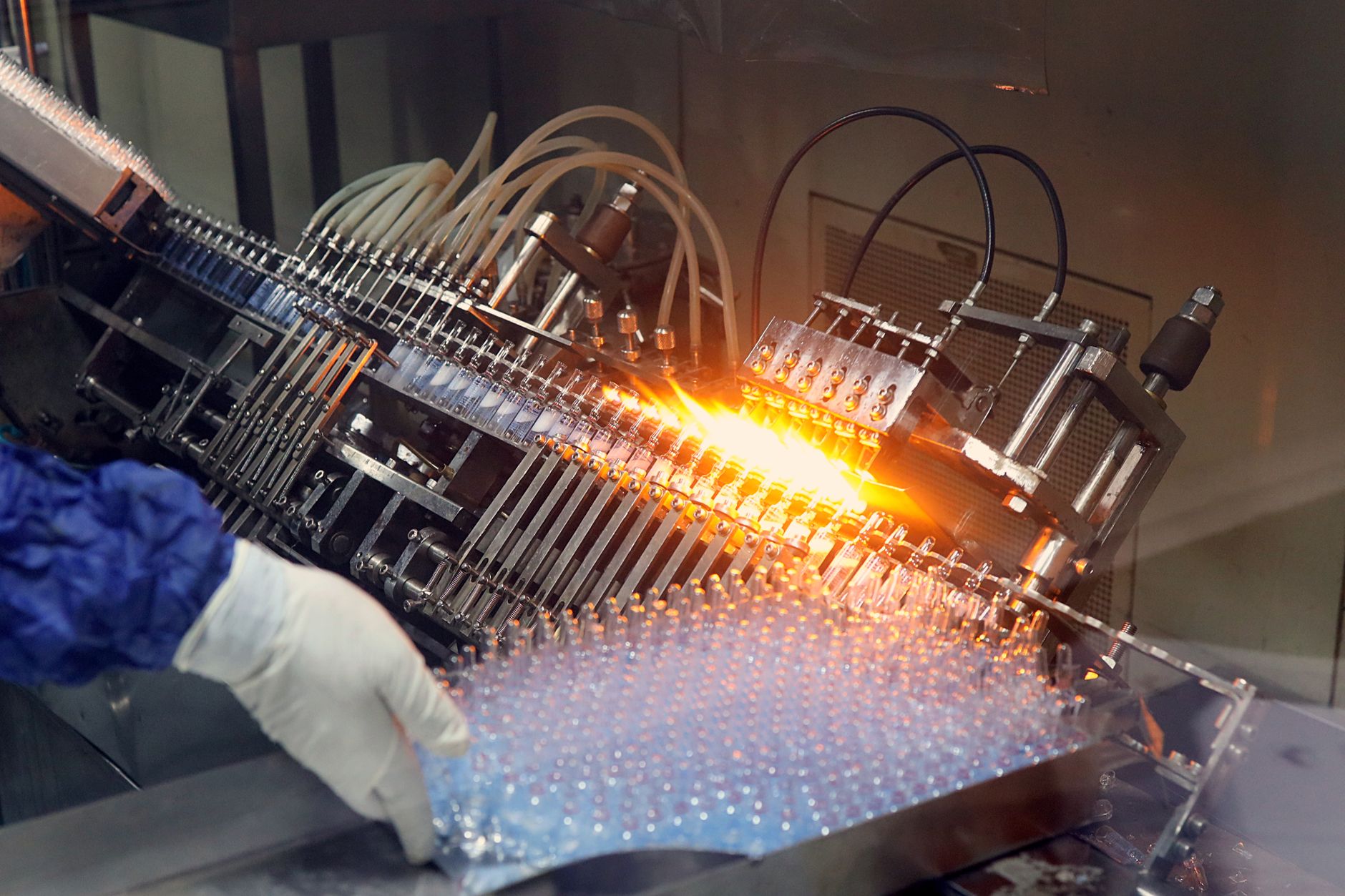
The Work Was Necessary. The Burden Was Not.
At a pharmaceutical packaging plant in France, cartons arriving at the end of the line weighed 3 to 8 kg apiece. Over a day, that repeated handling accumulated to 300 to 700 kg per person.
The plant also wanted a leaner operating pattern. Its target was to move from 2 operators on each line to a team of 3 covering 2 lines, without neglecting the pallet flow that kept finished goods moving.
Space complicated the assignment. The line ends were tight, so any end of line automation had to fit between pallets, preserve access, and address operator concerns about working close to moving equipment.
- Reduce repetitive carton lifting and operator travel
- Cover 2 packaging lines with one coordinated team
- Fit palletizing equipment into constrained line-end space
- Build operator confidence through early hands-on involvement
A Deliberate Introduction at the Line End
The plant selected compact collaborative palletizers with a 10 kg payload and 1,300 mm reach. Their footprint allowed one arm to sit between 2 pallets, while interchangeable grippers accommodated cartons of different sizes.
Health, safety, and environment personnel and line users entered the process early. Discovery sessions invited packaging operators, supervisors, and management committee members to test the cobots, raise concerns, and observe their behavior before implementation.
Risk analysis formed part of the first deployment, which took 6 months. Later installations took 4 to 5 months from order to implementation, showing how an established pattern can shorten successive rollouts. The published account does not specify its financing, maintenance, or long-term service arrangements.
- Evaluate payload, reach, carton range, pallet layout, and available floor space
- Bring safety personnel and frontline users into the project early
- Give operators practical access during discovery sessions
- Complete the application risk analysis before production use
- Carry lessons from the first cell into later installations
A Leaner Staffing Pattern With Less Handling

The measured headline was a 10% estimated reduction in operators' daily working time on the lines. The plant moved from 2 operators per line to 3 operators covering 2 lines, with cobots taking over end-of-line pallet handling.
The plant installed 7 cobots. Each handled 300 to 700 kg per day, removing a substantial repetitive load from the manual workflow and reducing the carrying and travel demanded of operators.
The documented account also reports higher production, lower musculoskeletal strain, and more time for higher-value work, although it supplies no percentage for those outcomes. The plant's own calculation placed return on investment at 24 months.
From Documented Result to U.S. Deployment
This example shows that palletizing performance is inseparable from application fit. Payload and reach matter, but so do line-end geometry, pallet access, safety analysis, gripper changes, operator acceptance, and the staffing pattern the cell is meant to support.
Service Robot Co. brings that discipline to U.S. businesses as a vendor neutral robot integrator. We select across manufacturers, arrange financing, manage robot deployment and integration, train the operating team, and service every unit through a nationwide U.S. engineer network.
For businesses considering palletizing robot leasing, cobot leasing for manufacturing, or robot leasing for business, that full-lifecycle model creates clear accountability. One vendor handles deployment and the robot maintenance service plan, instead of leaving the customer to coordinate separate manufacturers, installers, trainers, and field technicians.