an Austrian pharmaceutical manufacturer
How a Drug Plant Saved €60K by Cutting Tank Tests from 10 Hours to 4
An Austrian pharmaceutical plant cut riboflavin tank validation from ten hours to four on five vessels, saved €60,000 in downtime, and kept inspectors out of confined spaces.
- 10→4 hrs
- Five-tank round
- €60K
- Downtime saved
- 5→3
- Inspectors
- 0 entry
- Tank access
Based on a documented real-world deployment. Figures are from public reporting; the organization is not named.
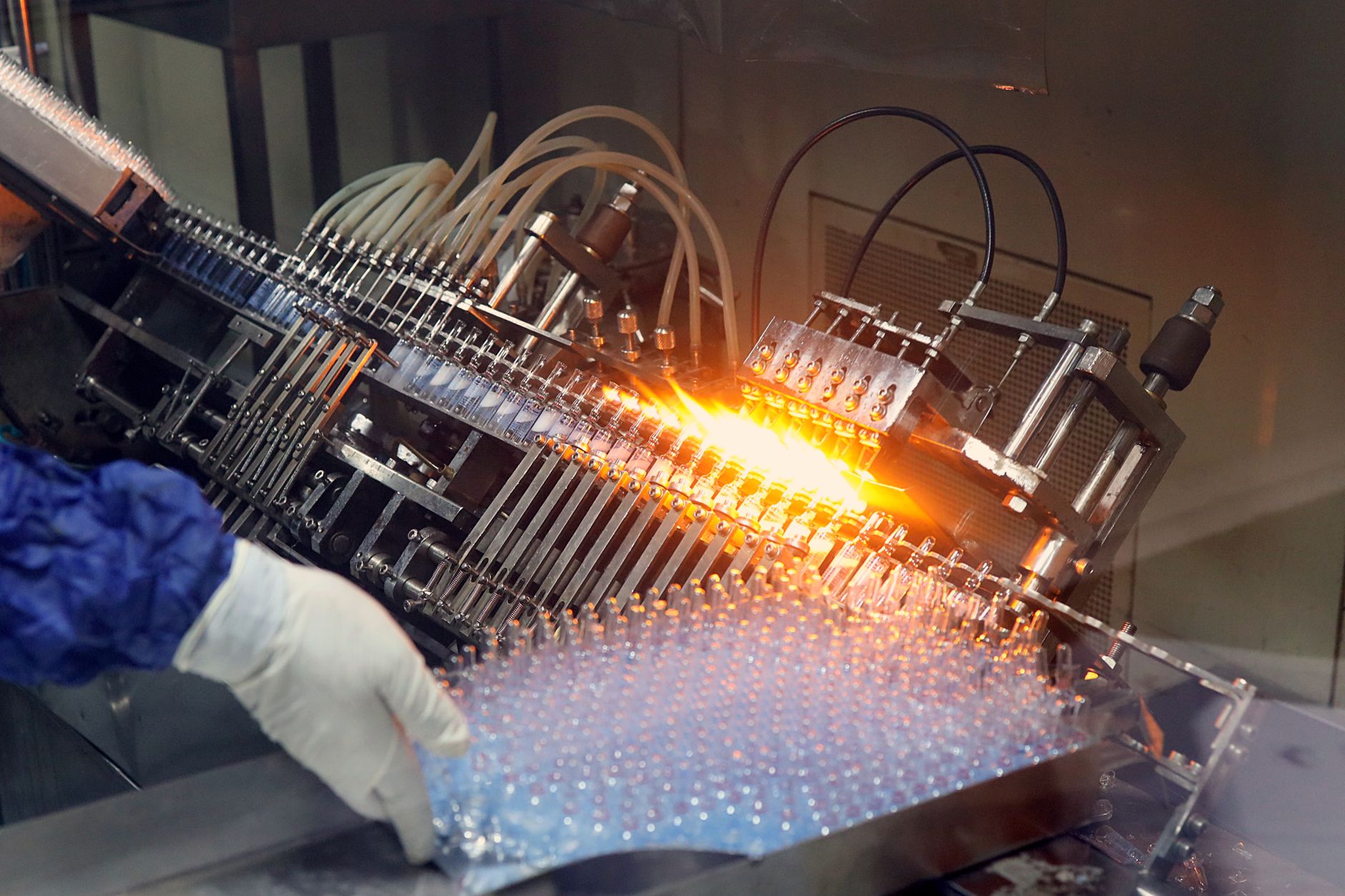
Spray-shadow proof inside stainless vessels
Riboflavin spray-shadow testing proves that clean-in-place spray reaches every interior surface of processing tanks. Regulators expect visible proof that no shadowed zone survives a cycle, yet the work happens in tight, slippery stainless volumes classified as confined spaces.
An Austrian pharmaceutical manufacturer ran five tanks in each validation round. Five inspectors plus plant staff often entered vessels, walked UV-lit surfaces, and documented coverage by hand. Each round tied up roughly ten hours of shutdown time while crews worked at height on ladders and manways.
- Manual walks inside five tanks per round
- Ten hours of validation downtime per campaign
- Confined-space entry for every interior check
Indoor drone flights with live video
Quality leaders replaced walk-through checks with a collision-tolerant indoor drone that streams 4K video to observers outside the vessel. Pilots fly riboflavin coverage after spray, then return after cleaning to confirm no fluorescent residue remains.
Two flights per tank keep the same verification intent without opening manways for human entry. Training focused on flight paths that mirror the old foot routes so auditors could compare video stills to prior paper logs.
- Spray-shadow flight after riboflavin application
- Second flight after CIP to confirm clean surfaces
- Live stream review with three inspectors at the collar
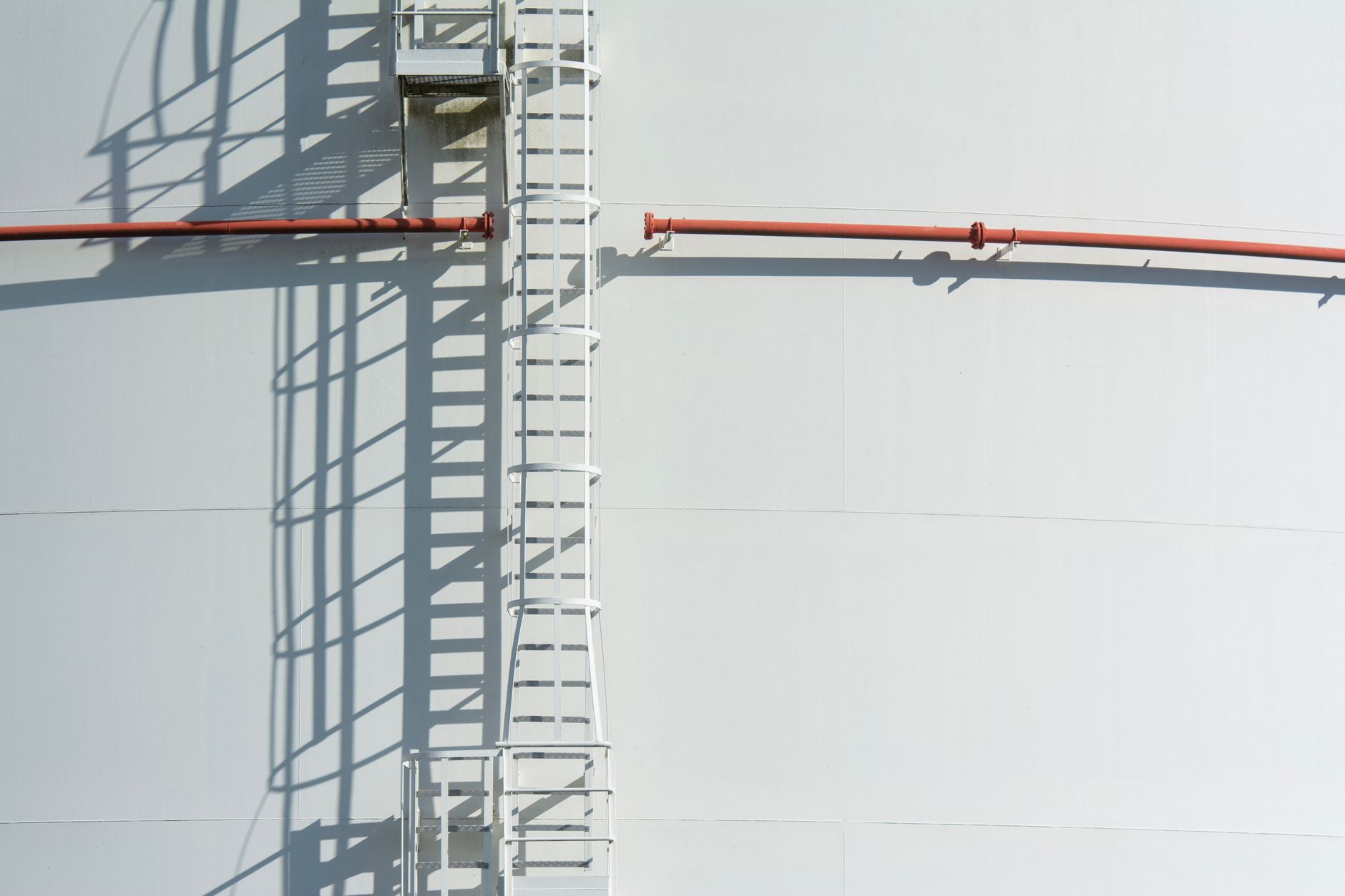
Four hours and €60,000 back on one round
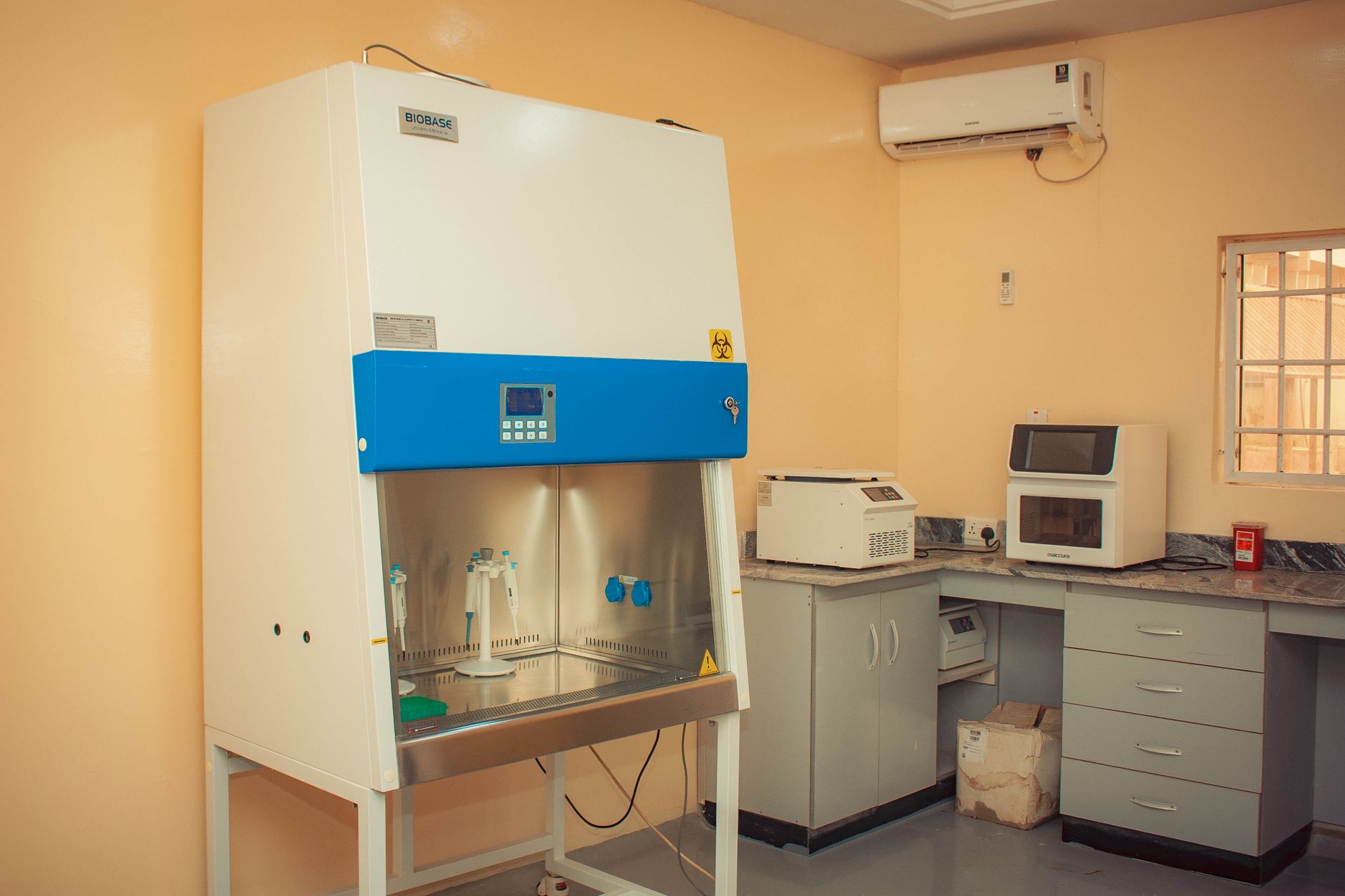
The five-tank test round fell from ten hours to four with the drone workflow. Plant leadership attributed about €60,000 in saved downtime to that single campaign because production restarted sooner.
Inspector headcount dropped from five to three because no one entered the tanks. Video archives gave quality teams repeatable evidence without repeating ladder setups between vessels.
What this means for pharma tank programs
Pharma sites with recurring CIP validation often need crawlspace inspection robot or indoor drone capacity without buying a fleet on day one. Inspection robot rental pilots let you run one five-tank round, measure four-hour cycles, then decide whether to expand to other stainless lines.
Service Robot Co. is a vendor neutral integrator for confined-space inspection drones and the ground support around them. We finance, deploy, train pilots, and maintain aircraft through a nationwide US engineer network so one partner covers rental, integration, and service for the full lifecycle.