
a regional general hospital with more than 1,000 staff serving two main buildings
How a Dual-Campus Hospital Saved 7,190 Minutes on Outdoor Lab Courier Runs
A regional hospital with two buildings used an outdoor autonomous courier for psychiatric lab samples, completing 521 laps and saving 7,190 minutes for patient care.
- 7,190
- minutes saved
- 521
- autonomous laps
- 92%
- autonomous share
- 1.6 mi
- courier route
Based on a documented real-world deployment. Figures are from public reporting; the organization is not named.

Two campuses, one bottleneck courier
A regional general hospital with more than 1,000 staff serves more than 77,000 patients a year across two main buildings. Psychiatric care sat apart from the core laboratory, so specimens still had to reach the same testing line as every other patient.
The gap was not clinical skill but logistics. Staff drove a roughly 1.6 mile loop with six pickup points, and each round trip averaged about 15 minutes of hands-on driving time that could not be spent at the bedside.
- Split psychiatric and main-hospital lab workflows
- Six pickup points on a 1.6 mile outdoor route
- About 15 minutes of driving time per lap
Outdoor autonomous courier on a fixed loop
Leadership piloted an outdoor autonomous delivery robot to carry medical samples from the psychiatric care complex to the laboratory in the main building. The route was mapped with cameras, radar, satellite navigation, and inertial sensors so the vehicle could run with limited supervision.
Operators treated the first 132 days as a measured pilot. They tracked lap count, autonomy rate, and how much driving time shifted back to clinical teams before deciding whether to keep the courier on the schedule.
- Map six pickup points across the 1.6 mile link
- Run repeated laps with sensor-guided navigation
- Monitor autonomy rate and lap timing during pilot
- Redirect freed minutes toward direct patient care
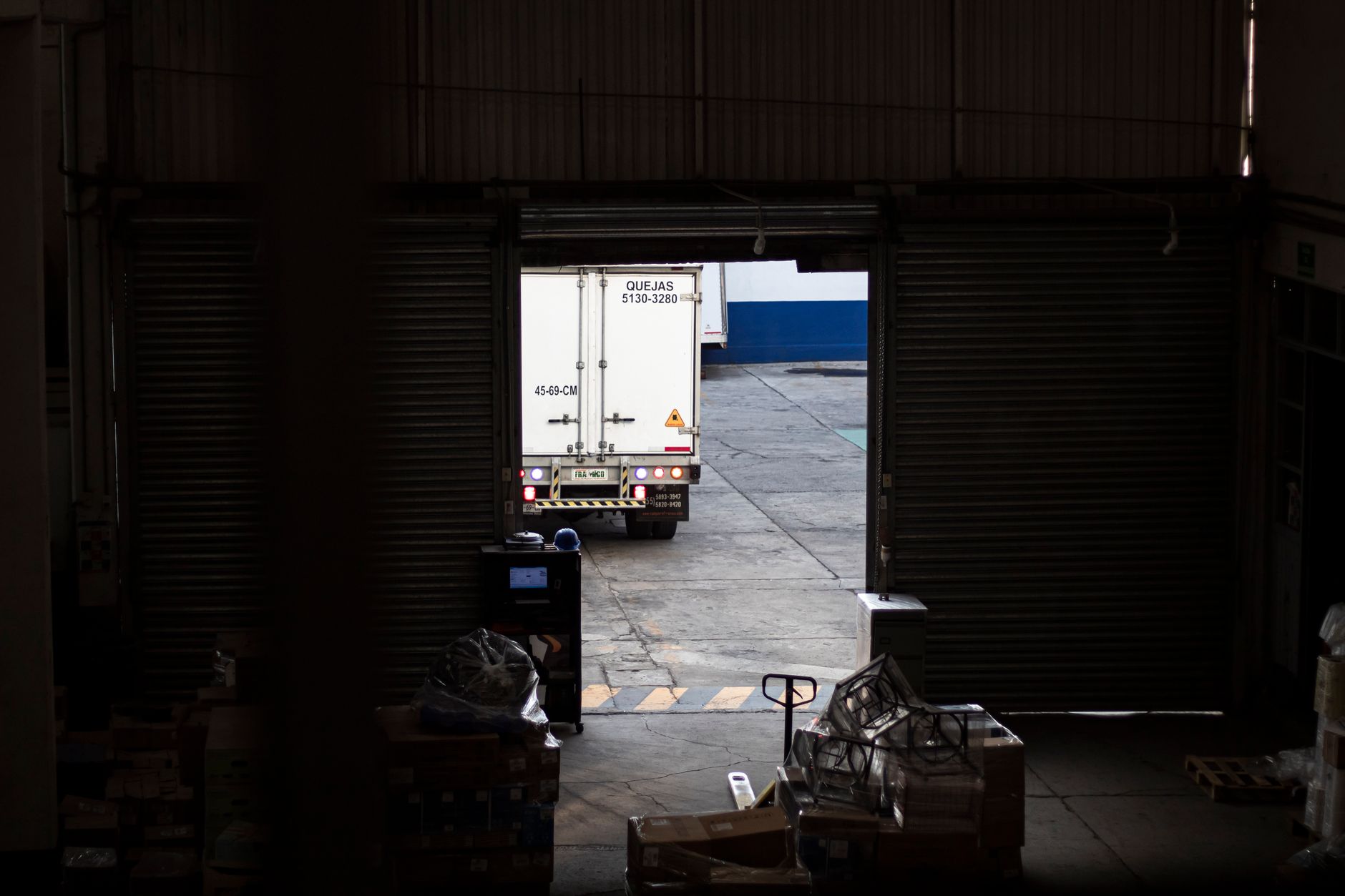
Measured time returned to care teams
Over 521 laps the courier averaged about 15 minutes per loop, which the hospital equated to roughly 7,190 minutes that would otherwise have been spent driving. The vehicle completed about 92 percent of each run autonomously while staff supervised handoffs at the buildings.
Managers reported about one extra minute of patient-facing time per sample delivered, which added roughly 19 minutes per day across the 132 day pilot window. Nurses and aides could stay on units instead of repeating the same road trip between campuses.
What split-campus hospitals can borrow
Outdoor specimen loops are a strong fit for hospital delivery robot rental or lease models when the route is repeatable and weather exposure is understood up front. Service Robot Co. stays vendor neutral, compares autonomous couriers against indoor tug options, and structures robot rental monthly or capital purchase with one partner for mapping, training, and nationwide service.
A phased pilot on a single loop proves the minute math before you scale. We walk both campuses, document pickup windows, and wire alerts into existing lab routines so clinical staff trust the handoffs.