a major European full-service airline engineering and maintenance hangar network
How a European Airline MRO Cut Lightning-Damage Surveys From Eight Hours to Two With Hangar Drones
See how a European airline MRO shortened post-storm fuselage surveys from six to eight hours to about one to two using hangar drones, AI review, and fewer lift climbs.
- 1-2 hrs
- drone survey
- 6-8 hrs
- manual baseline
- 4 techs
- lift crew before
- Hangar
- closed-door ops
Based on a documented real-world deployment. Figures are from public reporting; the organization is not named.
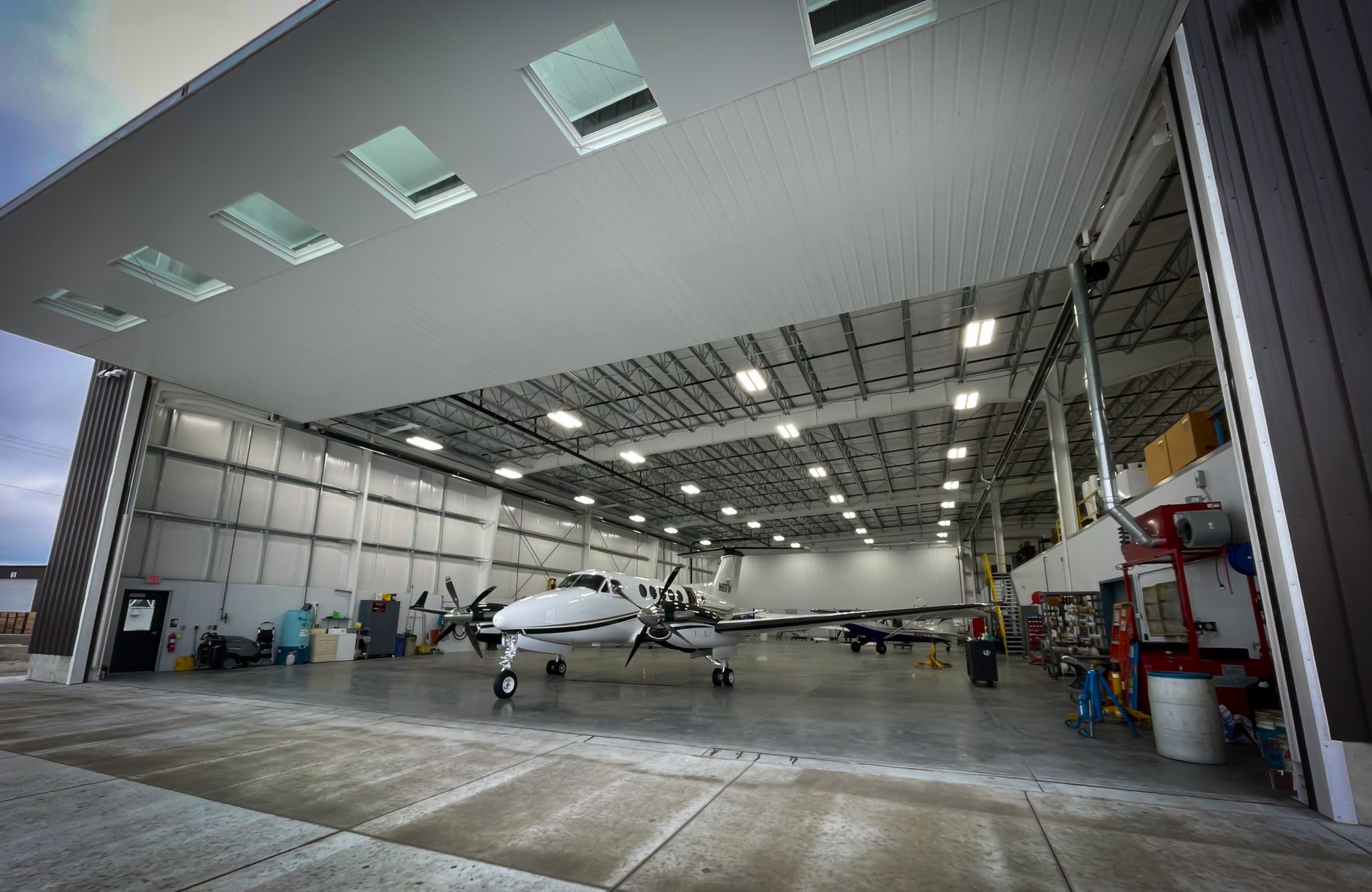
Post-storm skin checks that tied up four technicians
Lightning and hail leave marks that can be as small as a pinhead or as large as a tennis ball. Aviation rules require a careful look across the fuselage and wings before the next departure, even when the aircraft otherwise looks fine.
At a major European full-service airline engineering and maintenance hangar network, leaders described the classic manual path as four technicians working six to eight hours from aerial platforms. Each climb adds safety exposure and steals hangar capacity from other line work.
- Tiny strike marks are easy to miss when fatigue sets in late in a shift
- Shared lifts and scaffolding compete with other maintenance slots
- Paper photos rarely give reviewers a repeatable baseline week to week
Autonomous hangar passes with connected image review
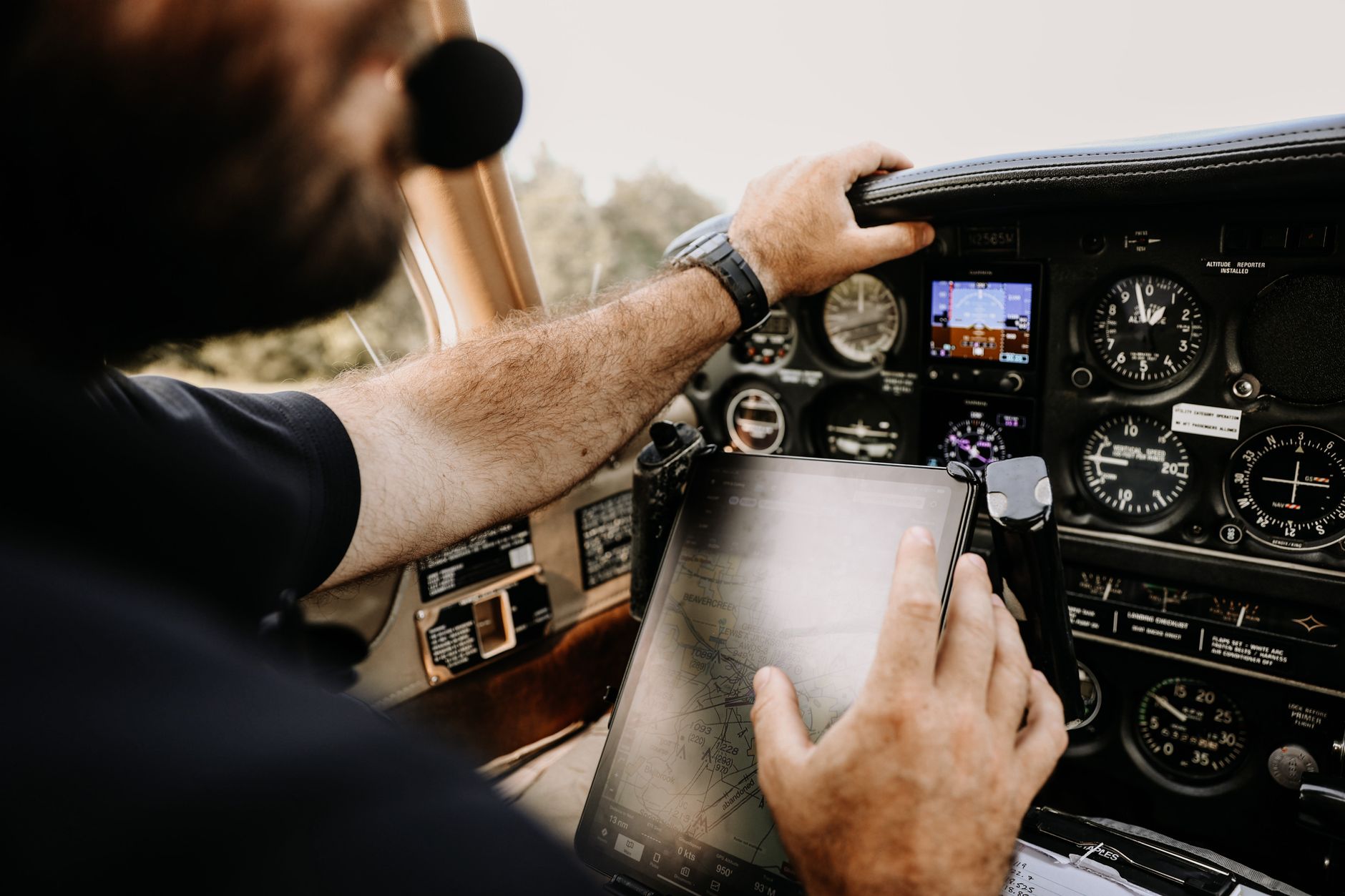
The maintenance organization paired an automated hangar drone workflow with reliable connectivity so imagery could move from the aircraft to reviewers without walking drives across the ramp. The drone flies a programmed path past the hull and wings while high-resolution photos stream to a tablet for immediate review.
An assisted damage search flags suspect areas so human inspectors focus on confirmation rather than hunting every rivet line by eye. The program started with thunderstorm and hail surveys, with additional wing-surface monitoring explored for composite fleets where paint adhesion is sensitive.
- Certified operators remain accountable for flight safety inside the hangar
- Repeatable flight paths standardize coverage aircraft to aircraft
- Reviewers work from the same photo set instead of disparate platform notes
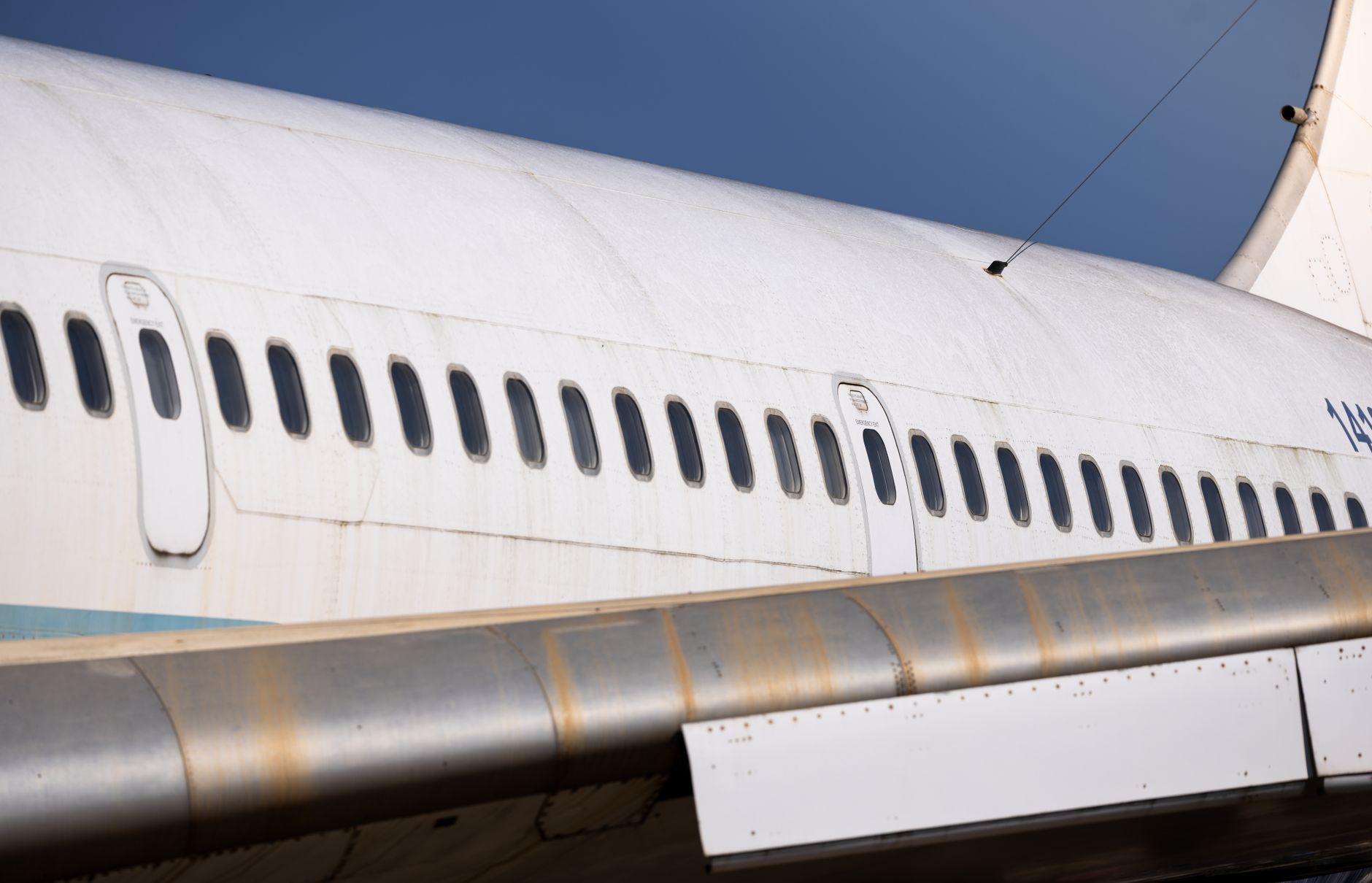
Measured turnaround compression on storm inspections
Public reporting on the pilot described typical manual storm inspections at six to eight hours with a four-person crew, then roughly one to two hours once the autonomous capture and tablet review loop was in place. That is a full shift returned to other maintenance tasks on weather-heavy weeks.
Because imagery is centralized, engineering can compare findings over time instead of relying on a single walk-around snapshot. Faster clearance supports tighter departure windows without asking technicians to rush visual searches at height.
What this means for inspection robot rental and deployment
This example is not a Service Robot Co. customer story. It shows why US MRO and industrial sites evaluate inspection robot rental when climb-assisted work becomes the bottleneck. A vendor neutral integrator can compare hangar drones, crawlers, and camera payloads, then align finance, training, and nationwide on-site dispatch under one contract.
Month to month inspection pilots let maintenance leaders prove cycle-time gains on one hangar line before they scale across a fleet. Service Robot Co. maps the site, validates airspace and safety rules, and trains local leads so the first live storm week is not the first time anyone sees the workflow.