a European municipal city hall administration campus with about 600 hybrid office workers
How a European City Hall Raised Cleaning Efficiency 15% With Nine Autonomous Vacuums
Nine overnight vacuum robots cleaned 6,000 square meters of civic offices and reported a 15% efficiency gain. See how hybrid workplaces can hold floor care steady.
- 15%
- Efficiency gain
- 9
- Vacuum robots
- 6,000 m²
- Office area
- 3
- Open floors
Based on a documented real-world deployment. Figures are from public reporting; the organization is not named.
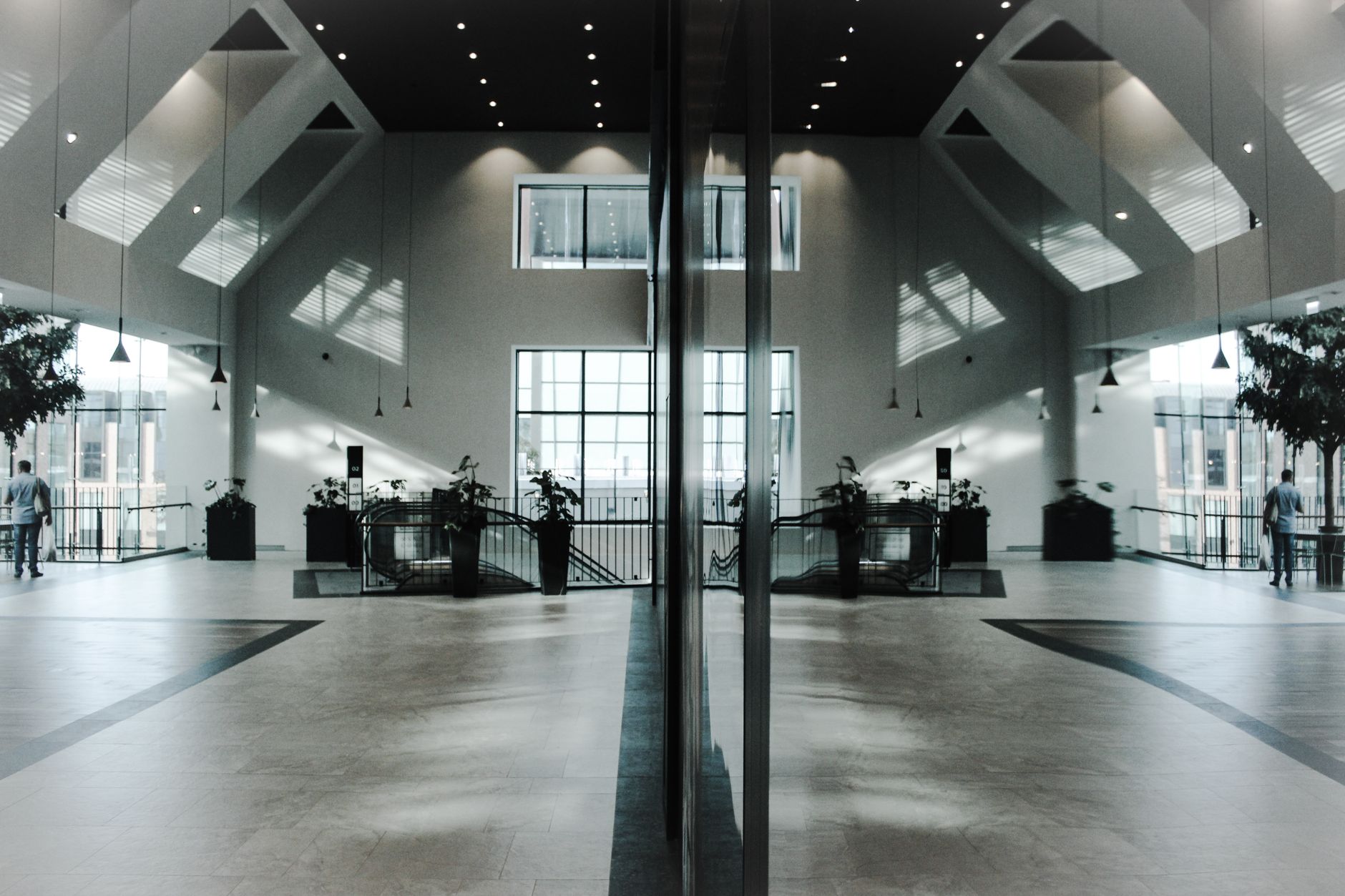
Hybrid civic offices with thin overnight coverage
A European municipal city hall administration campus serves about 600 hybrid office workers across three open floors. Daytime foot traffic, shared desks, and public-facing counters mean hard floors and carpet zones pick up grit fast, yet crews must work quietly so meetings and citizen services stay uninterrupted.
The building services partner needed predictable overnight vacuuming without adding headcount for a footprint reported at 6,000 square meters. Manual rounds were hard to schedule around late meetings, and quality varied when staff rotated across multiple sites. Leaders wanted measurable efficiency, not another pilot that faded after a photo op.
- Large open-floor plates with few closed rooms
- Hybrid schedules that limit daytime cleaning windows
- Pressure to improve quality without louder daytime equipment
Fleet rollout managed from one central hub
The team deployed nine autonomous vacuum robots across the three office levels, running them after hours when hybrid staff had left. A single coordinator monitored the fleet through a central management hub while the robots mapped routes on different floor plates without blocking elevators or corridors.
The building services contractor handled day-to-day supervision, using onboard sensors to keep machines clear of cables and furniture shifts. Training focused on start schedules, battery swaps, and exception handling so on-site staff could treat the robots like fixed assets rather than experiments.
- Map each open floor and set overnight start times
- Stage robots on separate levels to avoid cross-traffic
- Monitor the fleet centrally with one coordinator
- Keep daytime operations untouched for hybrid workers

Documented efficiency and cleaner mornings
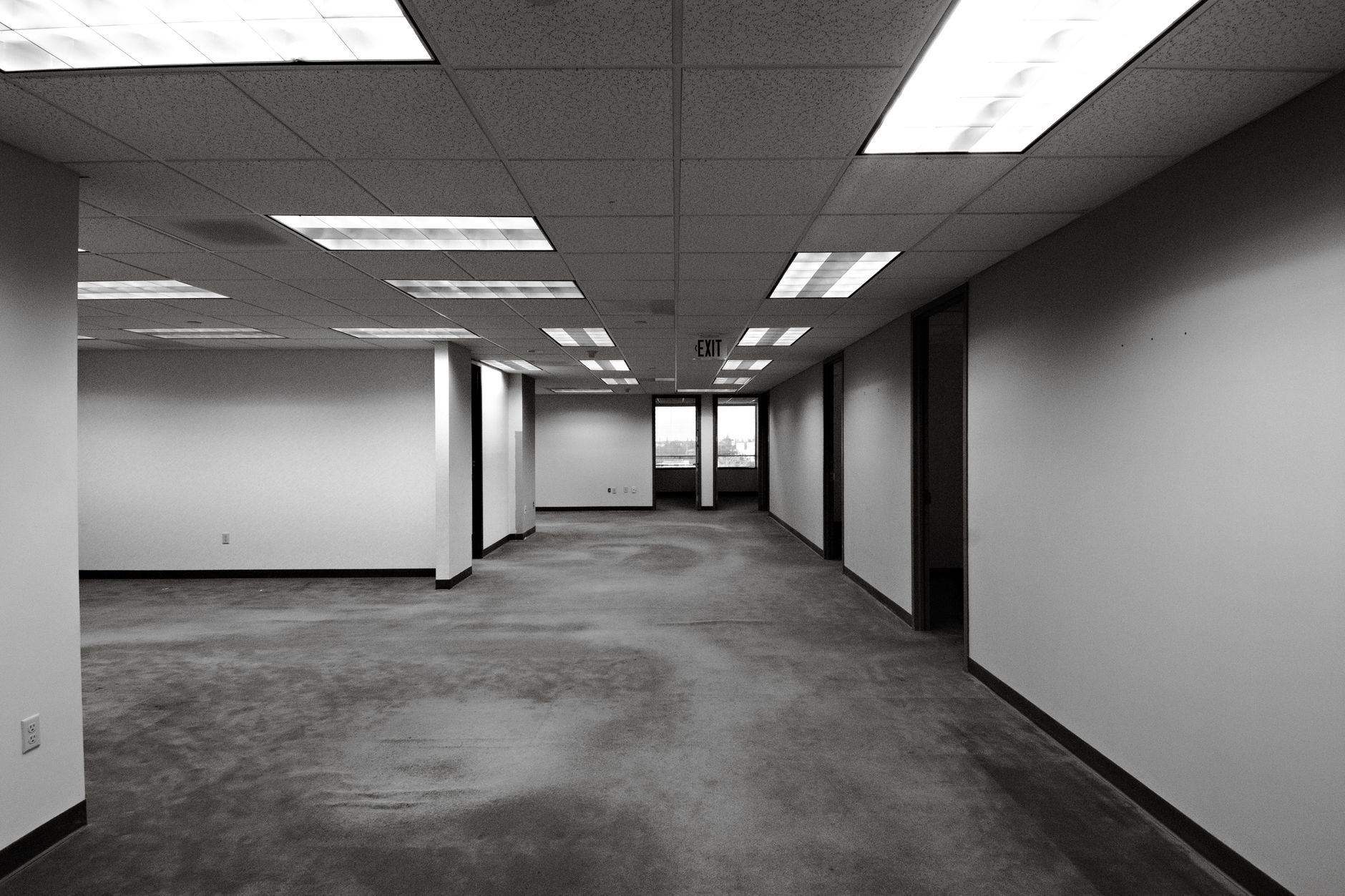
After rollout, the administration reported a 15% increase in cleaning efficiency and reinvested the savings into better procedures and higher quality standards. More than 600 hybrid employees arrived to consistently vacuumed offices without hearing equipment during working hours.
The project also cited measurably improved cleaning quality, intuitive fleet management in the hub, and stable low-maintenance operation with mobile connectivity. The robots became part of standard building services rather than a side project.
What this means for US civic and municipal sites
Documented municipal deployments show that autonomous vacuum fleets can cover large open offices overnight when staffing is tight. Service Robot Co. helps US cities, counties, and special districts match commercial cleaning robot rental or month to month lease paths to real floor plans, then handles site assessment, mapping, training, and nationwide service from one vendor.
A free site assessment can compare autonomous vacuum coverage with scrubber or sweeper needs in lobbies, council chambers, and back-office corridors. Financing, pilot programs, and backup unit plans let public buildings scale during budget cycles without buying a fleet for peak weeks alone.