
a European fashion e-commerce fulfillment center in the Netherlands
How a European Fashion DC Raised Picking Efficiency 400% With Goods-to-Person AMRs
Netherlands fashion DC: goods-to-person AMRs cut a two kilometer pick path, lifted picking efficiency about 400% and packing about 150%.
- 400%
- picking gain
- 150%
- packing gain
- 50%
- smaller footprint
- 1 hr
- new hire ramp
Based on a documented real-world deployment. Figures are from public reporting; the organization is not named.
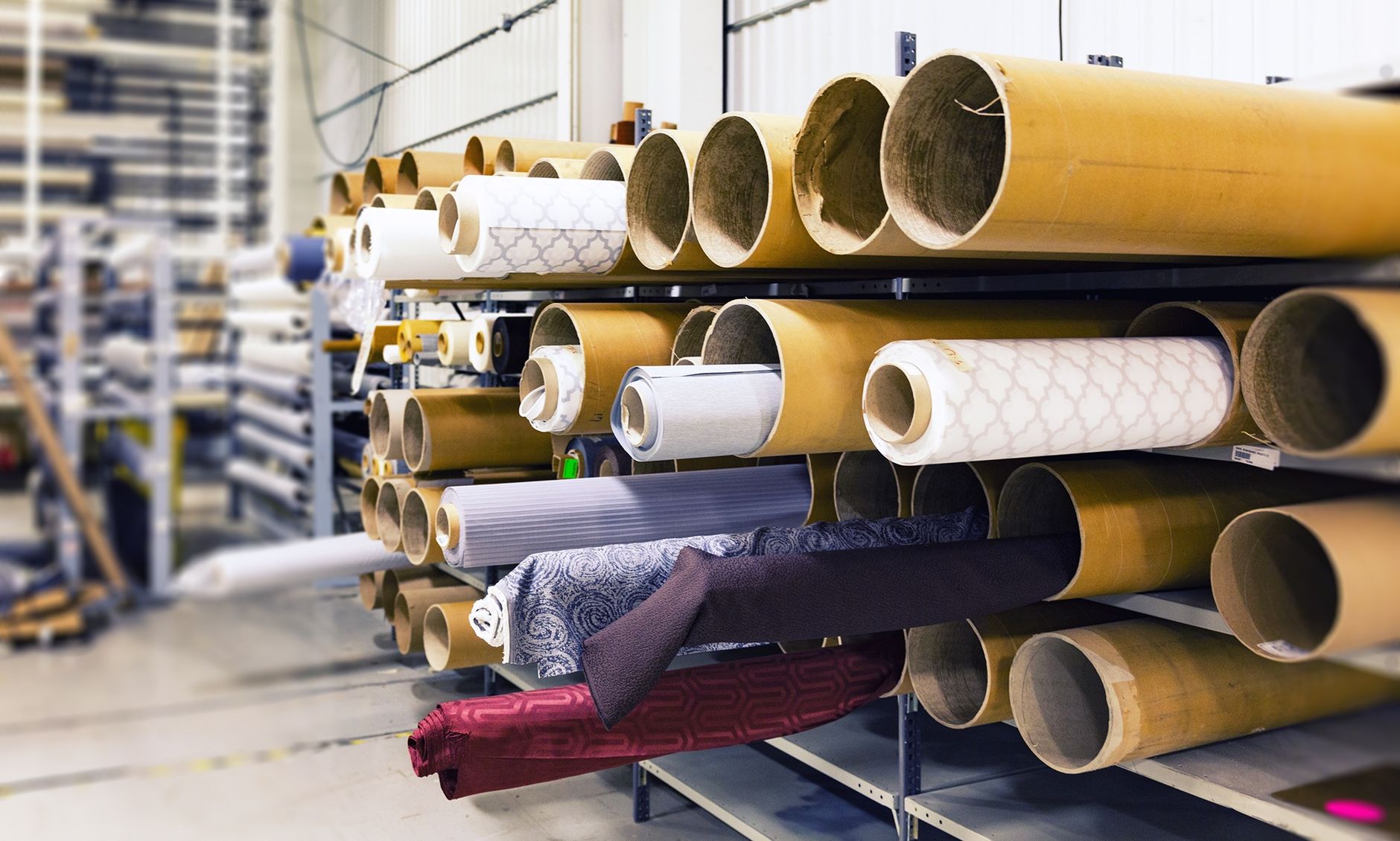
Weekly SKU churn on a two kilometer pick path
The center fulfilled fast fashion e-commerce with about twenty thousand SKUs and frequent style drops. A manual building held roughly forty thousand box locations and a pick path near two kilometers long, with a tight order cutoff near ninety minutes.
Peak and sale events strained a single shift model. Walk time, slot errors, and a growing footprint made it hard to keep service levels without constant hiring.
- Late cutoffs with volatile weekly catalog changes
- Long walks between widely scattered box locations
- Quality risk across thousands of pick faces
Greenfield goods-to-person with hybrid pick stations
Leadership moved to a new automated site pairing dense tote storage with mobile robots that bring goods to pickers. The layout includes on the order of sixty-four thousand tote locations, six hundred pallet rack positions, and a fleet of about three hundred autonomous mobile robots working alongside up to two hundred associates.
Ten hybrid pick stations accept totes, pallet boxes, or shelf presentations so bulky and small lines share one workflow. Software testing on the floor preceded a live cutover so the fashion client saw no planned downtime during migration.
Pallet moving robots feed storage and movable put walls, while vertical and horizontal tote carriers link inbound buffers to rack storage and pick faces. One tote at a time at the station reduces pick confusion during inbound variability.
- Autumn 2021 concept through spring 2023 go live
- Field testing before production traffic
- Hybrid tote and pallet presentation at pick

Documented productivity and training gains
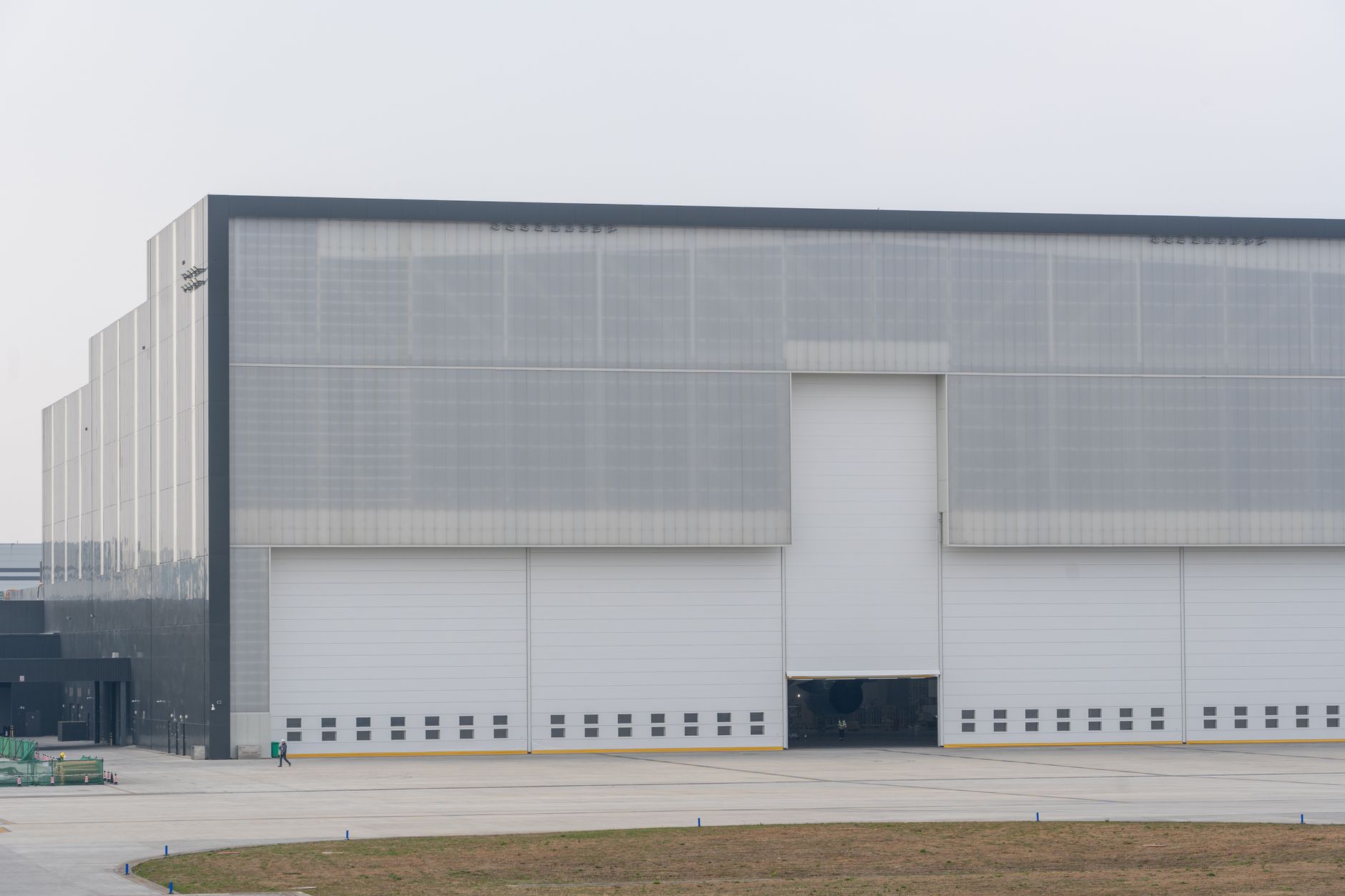
Published figures cite about four hundred percent higher picking efficiency and about one hundred fifty percent higher packing efficiency, with warehouse footprint about fifty percent smaller than the manual baseline.
Completing the picking line fell from up to two hours to minutes, which fed faster pack stations downstream. New hires reached productivity targets in about one hour, compared with lengthy manual onboarding at the old site.
What this pattern means for your warehouse
This build was executed by the fulfillment operator and its automation partners. Service Robot Co. did not run this project. We study published outcomes so apparel and general merchandise teams can sanity check ROI assumptions before they commit capital.
If your SKU churn and walk distances look similar, a vendor neutral integrator can compare goods-to-person AMR designs, finance the fleet, and stand up training and service through one U.S. contact. Warehouse robot rental and pilot programs let you prove pick curves before you scale station count.