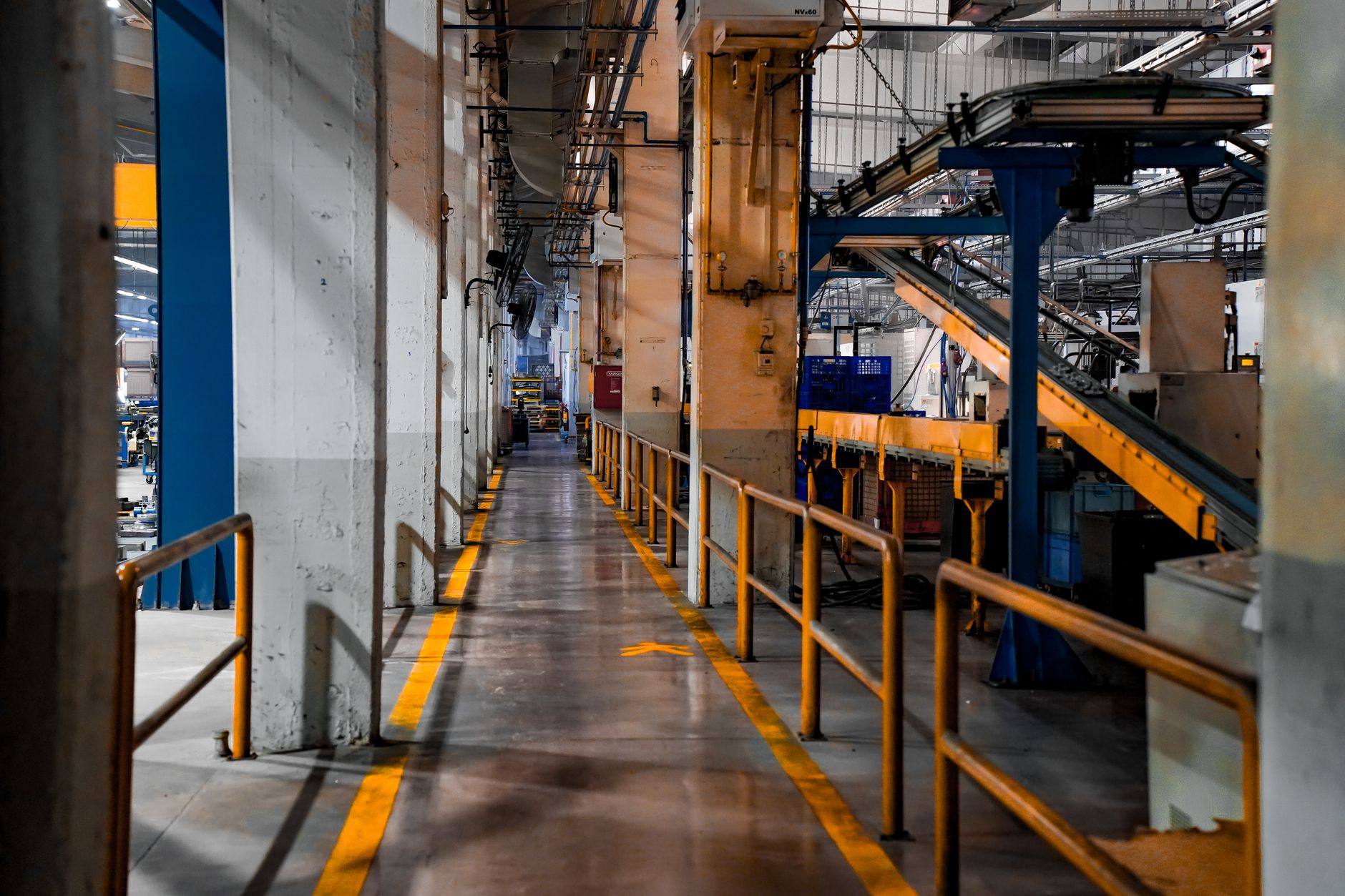
a wholesale company operating a high-rise distribution center in northern Europe
How a European Wholesale Warehouse Saved 40 Hours Weekly With Pallet AMRs
A northern European wholesale high-bay site used three pallet AMRs to reclaim 40 weekly hours on internal transport so planners could focus on slotting.
- 40 hrs
- saved weekly
- 3 AMRs
- pallet fleet
- 12 m
- rack height
- 3 staff
- reassigned
Based on a documented real-world deployment. Figures are from public reporting; the organization is not named.
Pallet walks ate the receiving day
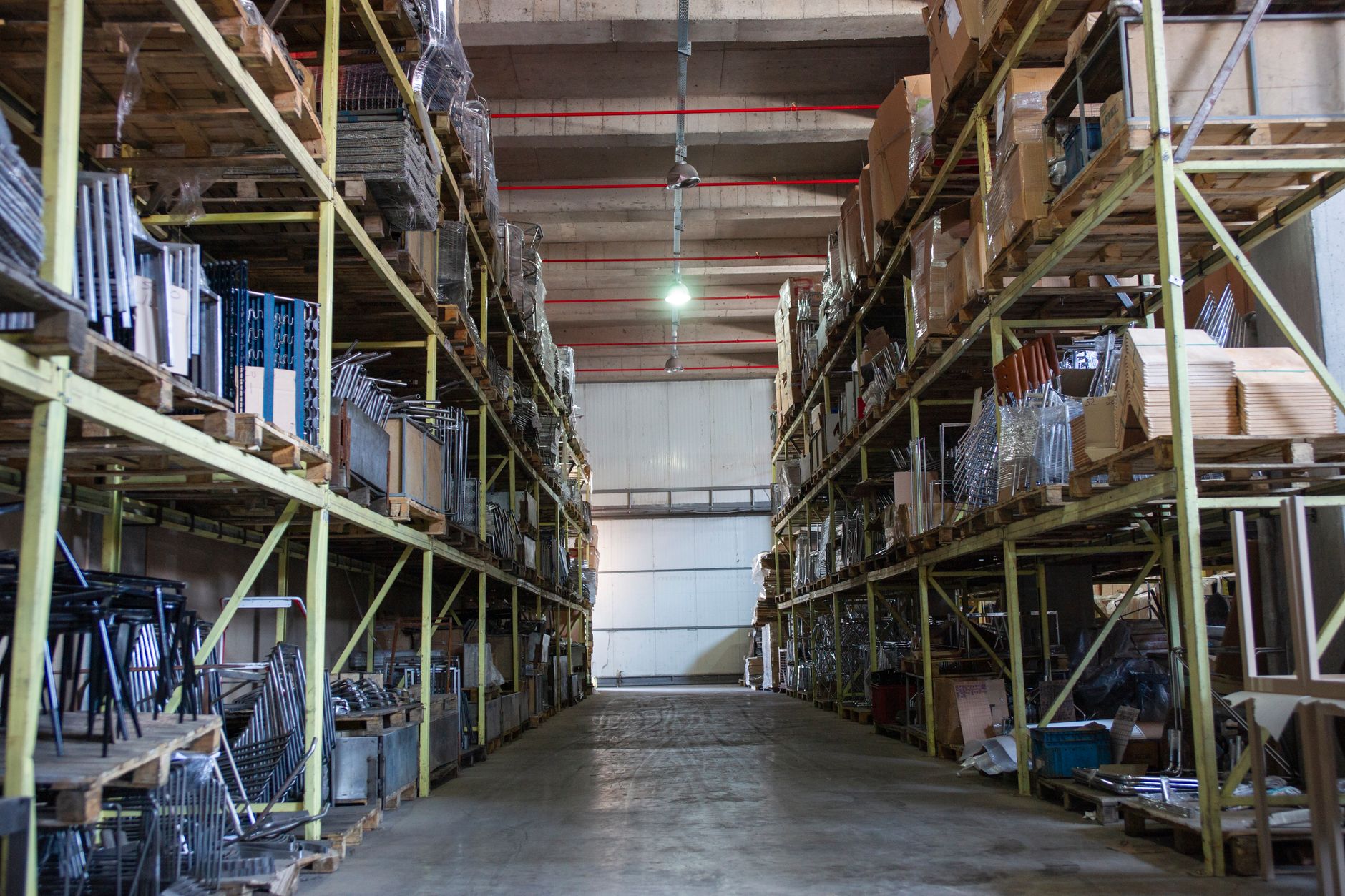
A wholesale company operating a high-rise distribution center in northern Europe runs narrow aisles with racks near 12 meters tall. Reach trucks handle putaway, yet someone still had to move every inbound pallet from the receiving stacker to the aisle mouths.
That internal shuttle work pulled three experienced logistics staff into repetitive driving instead of assessing inbound mix, prioritizing SKUs, and keeping slotting tight. The team wanted automation on the predictable legs while people stayed on judgment calls.
- Manual pallet moves from receiving to each aisle mouth
- Skilled staff tied to low-value driving loops
- High-bay layout leaves little room for extra headcount
AMRs feed the aisles, people own the plan
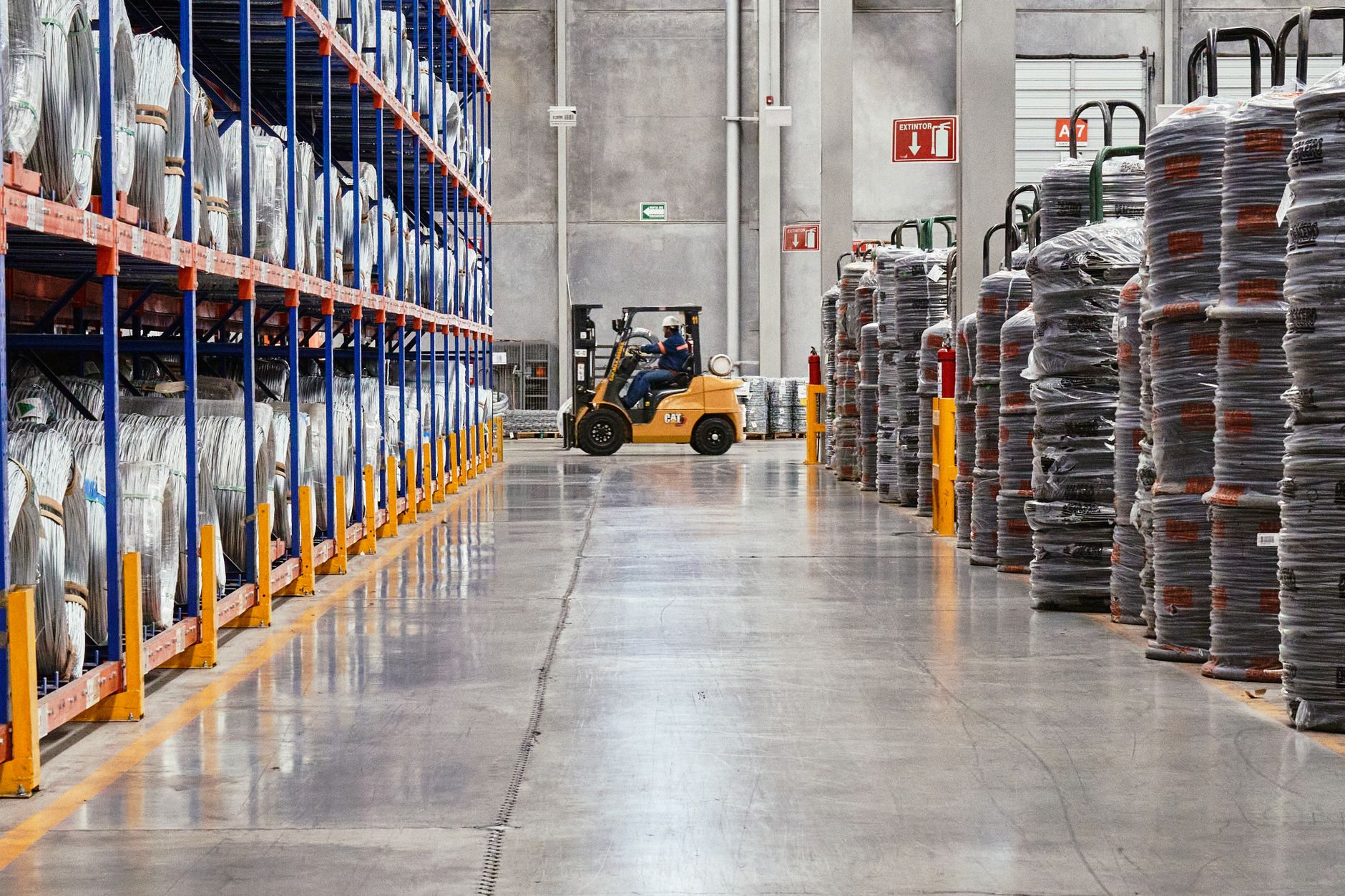
The operator deployed three heavy-duty pallet AMRs to stream loads from receiving racks to the ends of each high-bay aisle. Staff stage pallets on dedicated pickup stands, the AMRs collect them, and reach trucks finish putaway inside the racks.
The layout keeps manned trucks in the aisles while autonomous units handle the steady corridor runs. Training focused on handoff points, battery routines, and when to pause a robot if an aisle is blocked.
- Stage inbound pallets on fixed AMR pickup racks
- Autonomous units deliver to aisle ends on repeat schedules
- Reach trucks stay on putaway while AMRs cover the middle mile
Forty hours back for planning work
Published reporting on the deployment states the three AMRs save about 40 hours per week that staff previously spent shuttling pallets between receiving and positioning areas. Those hours now go to planning, prioritization, and handling exceptions that need human context.
The same material notes three employees no longer lose large parts of each shift to manual internal transport. Reach trucks still do the skilled rack work, while the AMR loop keeps receiving from backing up during busy inbound windows.
What this means for warehouse robot rental
This is a documented wholesale deployment, not a Service Robot Co. customer account. It still shows why distribution teams pilot pallet AMR rental on one receiving lane before scaling across a high-bay building.
US wholesalers and 3PLs comparing autonomous mobile robot rental or material handling robot rental can map power, aisle widths, and handoff points during a free site assessment. Service Robot Co. stays vendor neutral, then backs uptime with nationwide on-site dispatch when a unit needs service between peaks.