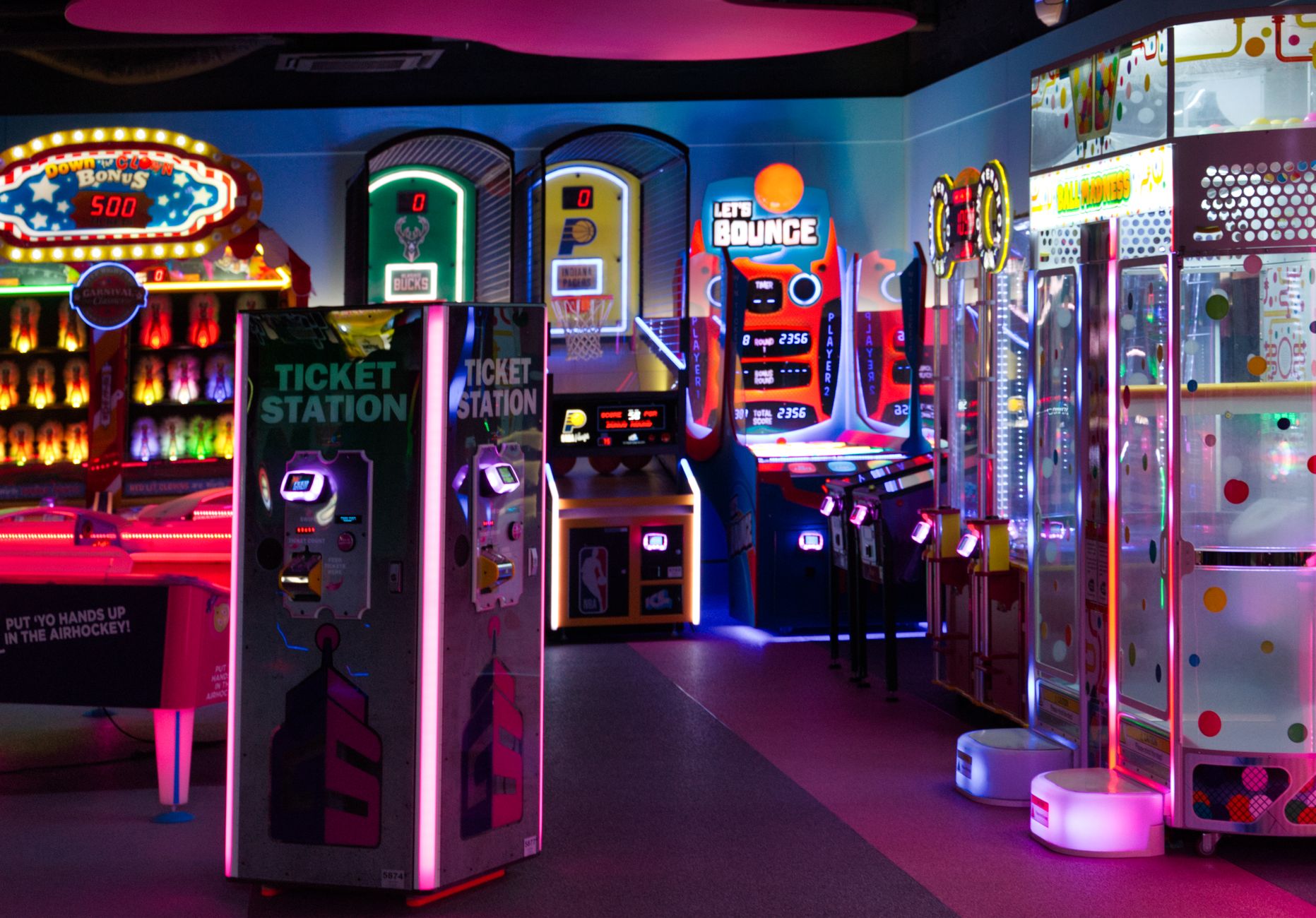
a multi-attraction family entertainment center in the U.S. Southeast with bowling lanes, arcade games, and other indoor guest areas
How a Family Entertainment Center Replaced 60 Monthly Floor-Care Hours With a Vacuum Robot
Southeast family entertainment center used pre-open autonomous vacuuming in bowling and arcade zones, reclaiming about 60 manual hours monthly and 212k sq. ft. in two months.
- 60 hrs
- manual work reallocated monthly
- 212k sqft
- vacuumed in first two months
- 2 zones
- bowling and arcade floors
- Pre-open
- scheduled daily runs
Based on a documented real-world deployment. Figures are from public reporting; the organization is not named.
Guest traffic outran opening-shift floor care
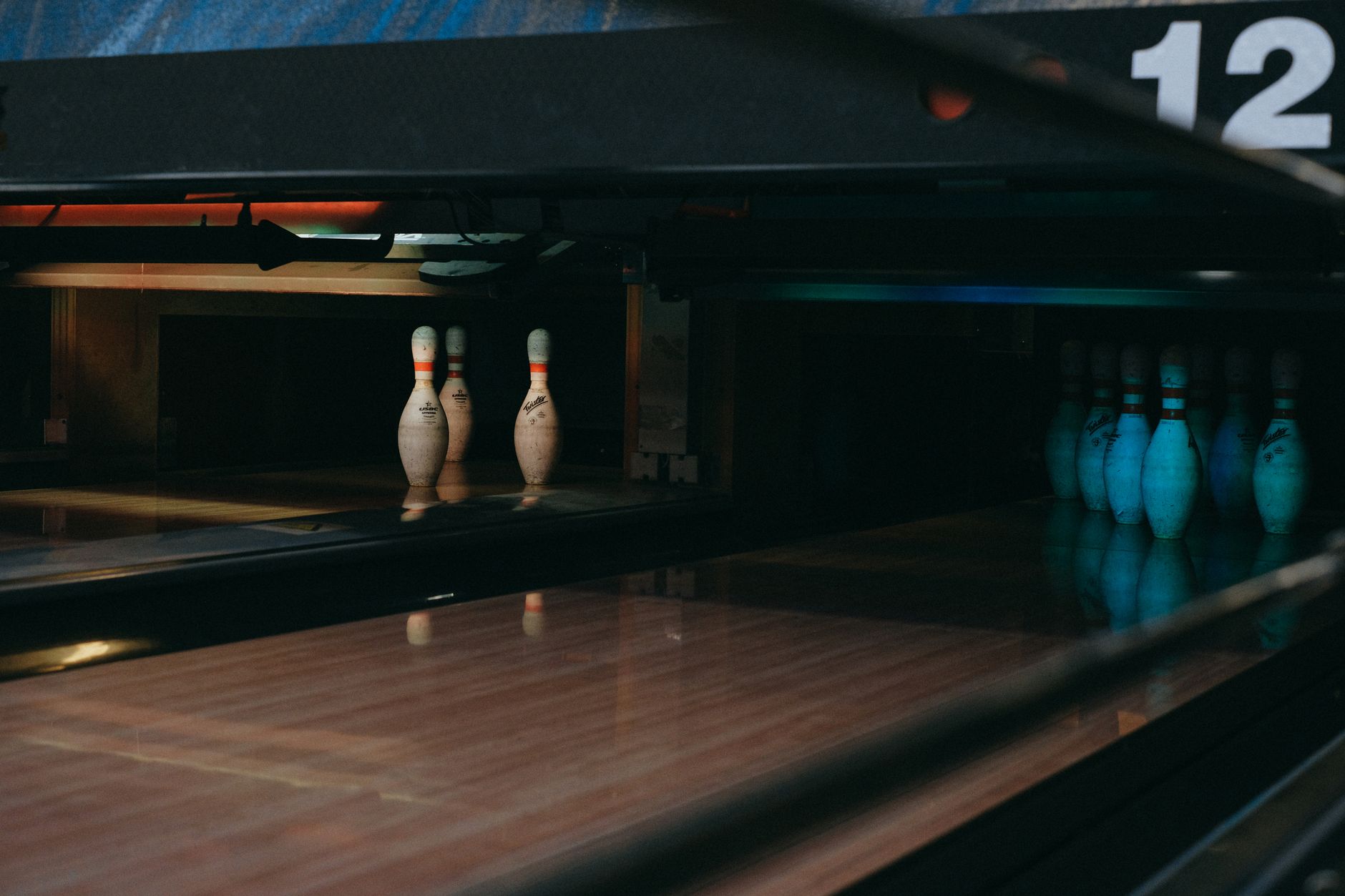
Bowling lanes, arcade games, laser tag, go-karts, and mini golf draw steady crowds across long operating hours. Hard floors in the highest-traffic indoor zones pick up grit, crumbs, and tracked-in debris fast, and guests notice sticky or dull surfaces before they notice a new game cabinet.
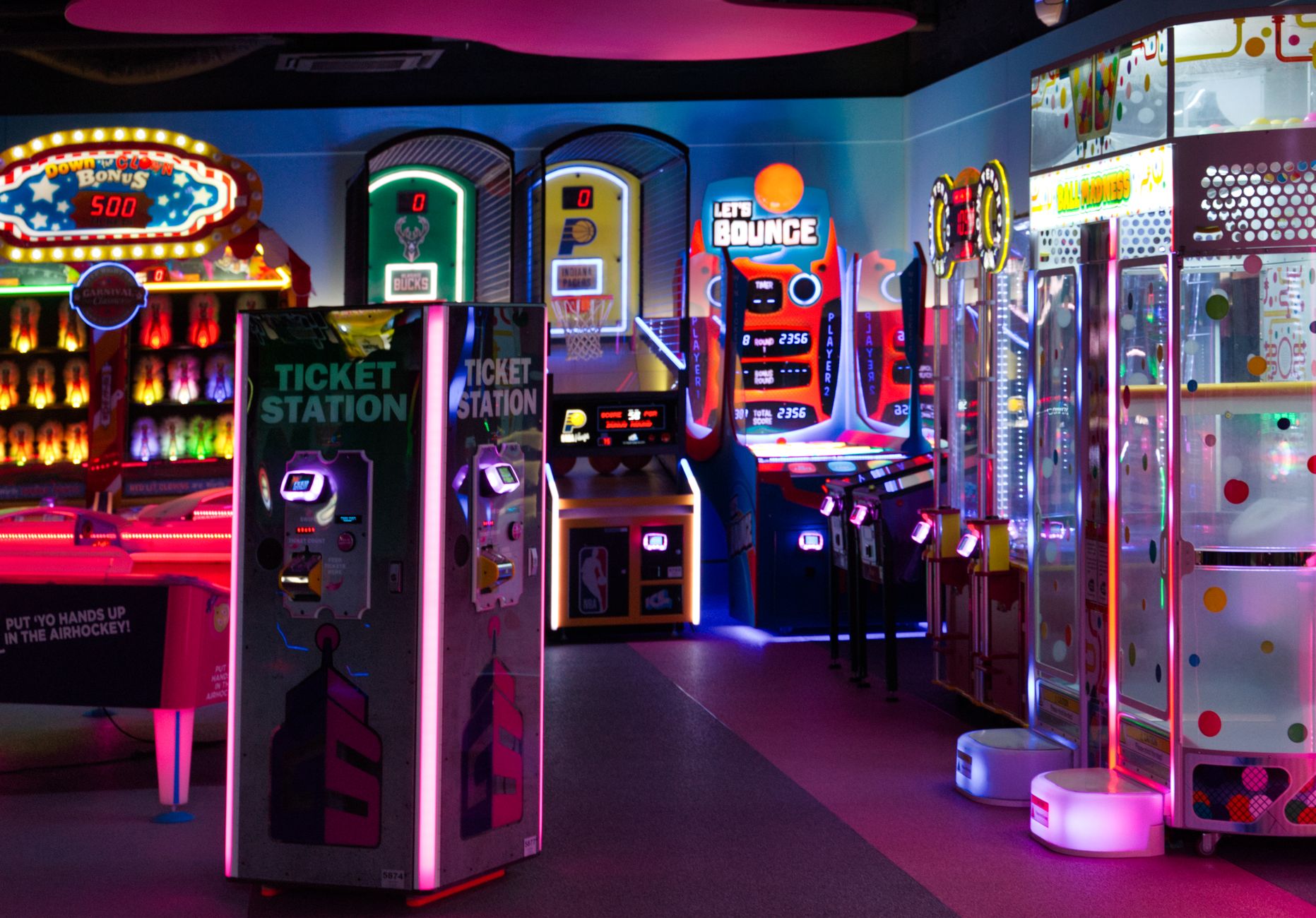
The operation needed daily hard-floor care in two guest-facing areas, the bowling center and the arcade, each roughly 3,000 square feet. That work had to finish before doors opened, yet the same lean crew was also responsible for detail cleaning, resets, and the kind of hands-on tasks robots cannot touch.
Call-outs and thin staffing made the pre-open window unpredictable. When vacuuming ran long, supervisors either delayed opening prep or pulled people off higher-value work. The goal was not to cut headcount for show. It was to stop losing reliable hours to repetitive wide-area vacuuming.
One autonomous vacuum on a fixed pre-open route
Leadership evaluated autonomous commercial vacuum options that could cover open floor plates without an operator riding behind the machine. They chose a leased unit sized for wide hard-floor passes and paired it with a local cleaning partner for setup and ongoing support.
Deployment began at the end of January 2025. The team mapped two indoor routes, one through the bowling floor and one through the arcade, and locked in a morning schedule that finished before the first guests arrived.
Staff learned a short start-of-shift routine: confirm the machine, launch the planned route, and shift human time toward restrooms, lanes, counters, and arcade touch points while the robot handled the open floor.
- Scope two high-traffic hard-floor zones at about 3,000 square feet each
- Run autonomous vacuum cycles in the morning before opening
- Keep human labor on detail work while the robot covers open areas
- Review coverage totals after the first two months of operation
Measured time back and consistent coverage
Within the first two months, the autonomous vacuum logged 19,750 square meters of cleaning, about 212,000 square feet, across the bowling and arcade routes. That volume reflects repeated pre-open passes rather than one-off deep cleans.
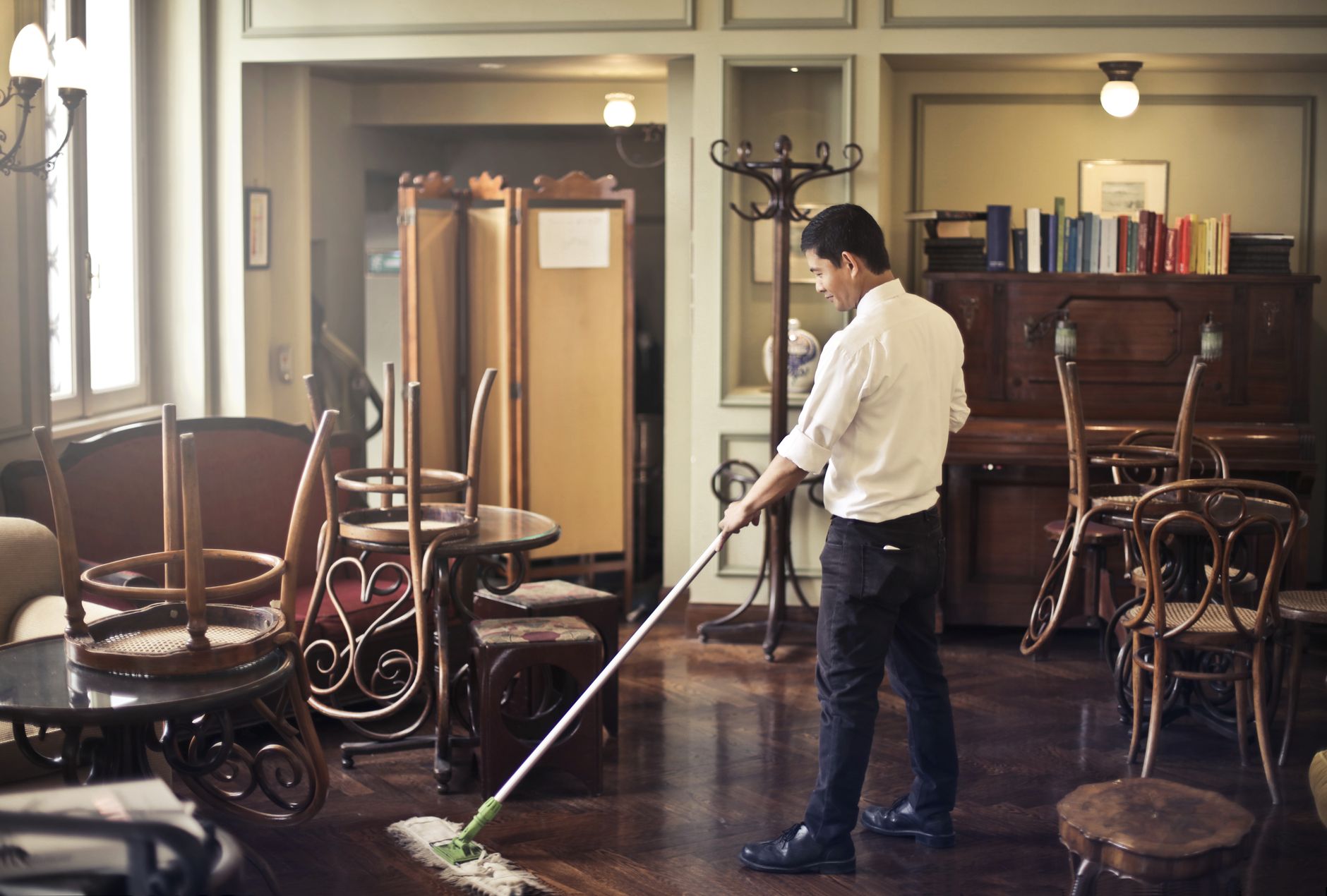
The operator reports that automation replaced around 60 hours of manual floor work per month. Those hours moved from pushing a traditional vacuum across open areas to tasks that directly affect guest experience and safety checks.
Morning floors now hit a steady baseline before unlock. Supervisors describe the machine as dependable coverage they can schedule, not a gamble tied to whoever shows up for the early shift.
Why vendor-neutral rental and service matter here
Family entertainment sites mix carpet, hard tile, food zones, and attractions that change layout with seasons and promotions. A single robot spec rarely fits every square foot on day one. Service Robot Co. compares autonomous vacuum, sweeper, and scrubber platforms across manufacturers, then structures commercial robot rental or lease programs with maintenance included so operators are not stuck guessing which OEM matches each zone.
Phased rollout, route mapping, and go-live support keep the first guest-facing routes productive without shutting attractions. Nationwide dispatch and remote triage back the unit after launch, which matters when a Saturday opening hour cannot wait on a distant parts desk. One partner and one number covers financing, integration, training, and field service for the full lifecycle.