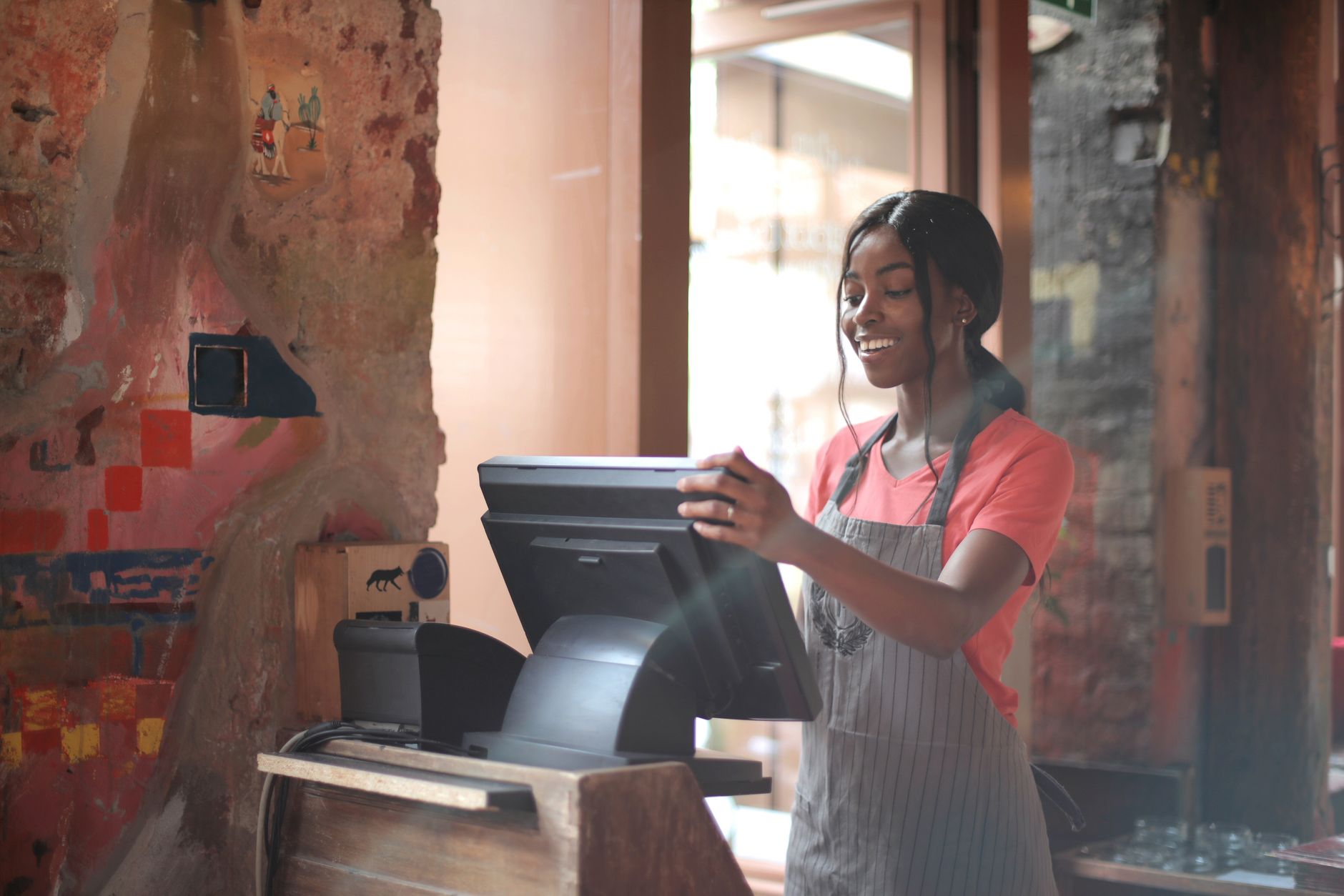
a suburban family-dining restaurant with heavy bussing demand
Restaurant Busser Robot Case Study: 100 Surplus Hours a Month
A suburban family-dining restaurant with heavy bussing demand created about 100 surplus staff hours a month and cut table reset time in half.
- 100 hrs/mo
- surplus staff time created
- 50%
- faster table resets
- 3%
- labor cost reduction
- 1 week
- pilot before rollout
Based on a documented real-world deployment. Figures are from public reporting; the organization is not named.
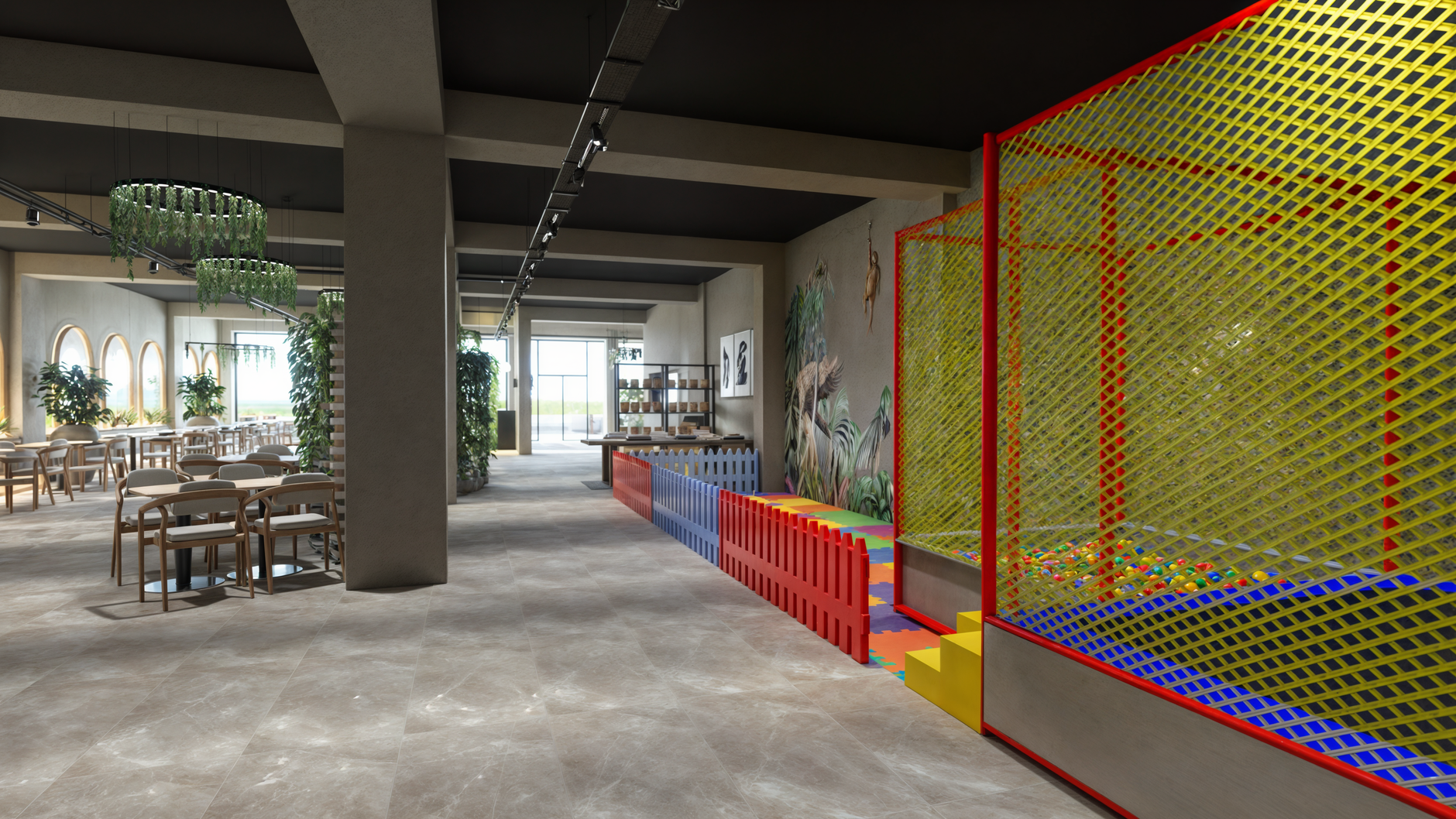
A dining room built for volume, not constant dish hauling
This restaurant was not chasing novelty. It was dealing with the grind of service. Heavy plates, a long path to the wash area, and repeated bussing runs were soaking up attention that should have stayed on guests. In a roughly 70-seat dining room, those laps added up fast.
The strain showed up in two places at once. Staff felt the fatigue of carrying dish loads back and forth, and the floor lost some of the anticipation that family dining depends on. When peak periods hit, the operation needed more eyes on tables and fewer minutes spent acting as a cart.
- Heavy dish transport during bussing created visible staff fatigue
- Long walking paths slowed resets and pulled staff away from guests
- Peak service periods exposed labor limits on the floor
A narrow first use case, then a rebuilt floor routine
The rollout started with discipline. The team ran a one-week trial and focused the robot on bussing first, rather than asking it to do everything at once. That gave the staff a clean test: could repetitive transport automation take the heaviest, least guest-facing work off their hands.
From there, the restaurant adjusted the operation around the machine instead of forcing old habits to stay in place. Staff measured the time difference, learned the touchscreen controls, and shifted attention toward wiping tables, watching the room, and preparing for the next turn. The robot also picked up opening and closing runs, including moving pitchers and clearing reset work.
- Begin with a one-week pilot focused on bussing
- Train the team on simple touch controls and repeat use until it becomes routine
- Rebuild the table-reset flow around robot transport instead of manual carrying
- Extend use into opening and closing tasks once the core pattern proves out
More guest-facing time from a very ordinary bottleneck
The headline outcome was about 100 hours per month of surplus staff time. The source describes that as roughly one part-time worker's operating capacity, or about 3 to 4 hours a day that could be reassigned from repetitive transport to customer-facing work.
Just as important, table reset time fell by 50 percent. In the source's example, a full six-top that could take even an experienced worker 10 minutes to clear and reset was ready in about half that time with robot support. The restaurant also reported a 3 percent reduction in labor cost while keeping more attention on ordering, greeting, and table awareness.
What this means for U.S. restaurant operators
The lesson here is practical. A server assistant robot or busser robot earns its keep when it is aimed at the dull, repeated transport work that clogs peak service. Faster resets matter, but the bigger gain is reclaimed attention on the floor. That is where covers, guest satisfaction, and shift stability are won.
For a U.S. operator, this is where Service Robot Co. fits. We are a vendor neutral robot integrator that helps restaurants choose the right food running robot, then handle robot leasing for business, service robot rental, deployment, training, and ongoing support through one partner. Service Robot Co. currently covers all 50 states, supports 85 plus metros, provides 10-minute remote triage during business hours and 24-7 emergency response. If you want restaurant delivery robot rental, robot financing for small business, or a lease rental or sale structure with maintenance included, the point is the same. One partner owns the full lifecycle.