
a family-style restaurant in Japan
Family-Style Restaurant Case Study: 8,932 Yen Per Labor Hour
A family-style restaurant in Japan used robot servers for repetitive hauling, cutting daily service hours and lifting sales per labor hour to 8,932 yen.
- 11.7%
- sales per labor hour gain
- 8,932 yen
- sales per labor hour after rollout
- 270.5 hr
- service staff hours per day after rollout
- 21.6 hr
- daily service hours removed
Based on a documented real-world deployment. Figures are from public reporting; the organization is not named.
Where the hours were going
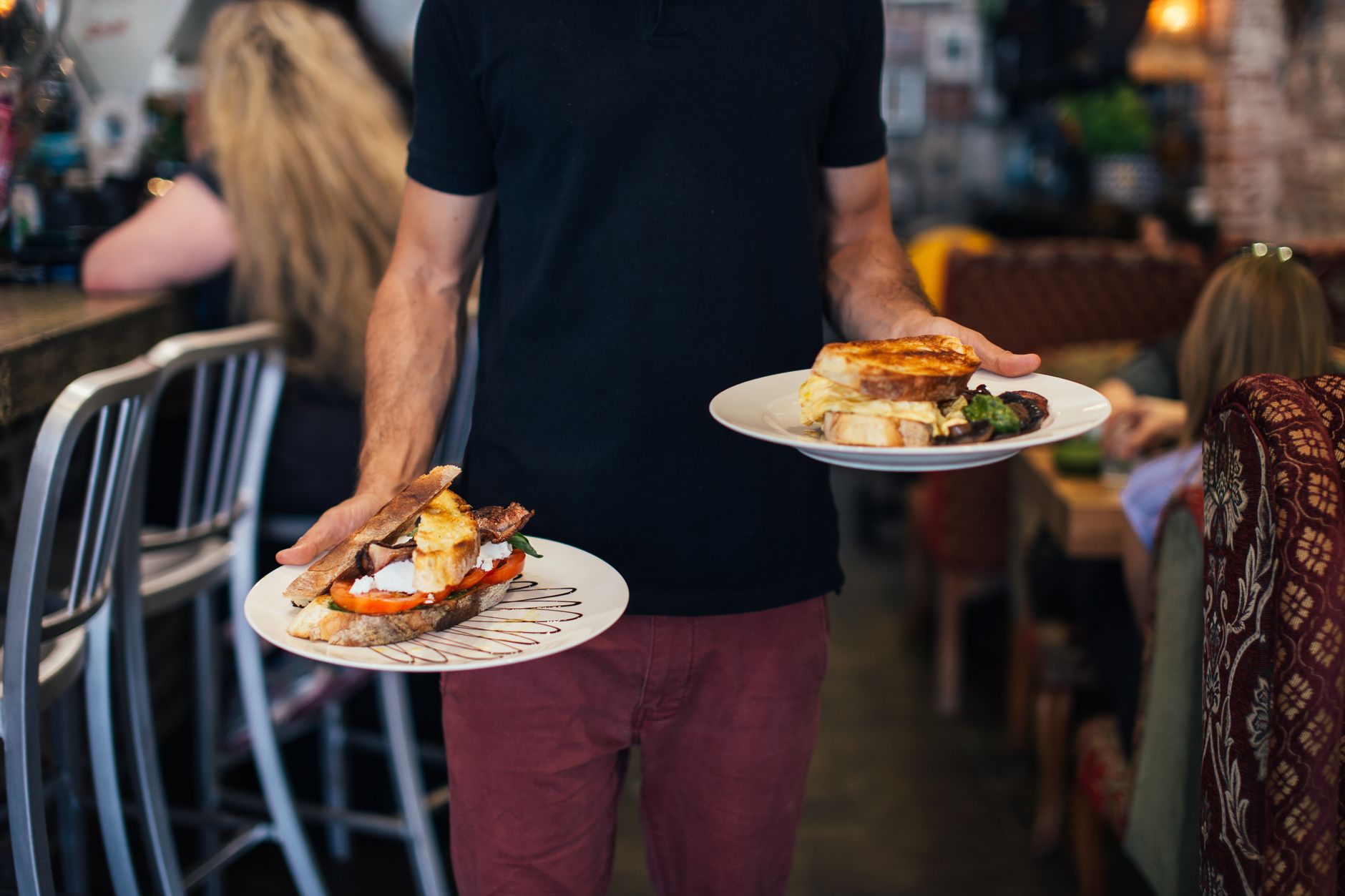
The documented operation was a family-style restaurant in Japan serving lunch trays and dinner courses. That format asked staff to keep hospitality sharp while also hauling dishes between kitchen, aisle, and dining room throughout the day.
The paper describes a familiar full-service bind. Restaurants cannot stock service the way factories stock inventory, so managers often carry labor as a buffer. That protects the floor when demand spikes, but repetitive transport work can still consume paid hours without adding much to the guest experience.
- Lunch used one-way tray service, while dinner used plural-way course service
- Staff work was split across service, catering, and conveyance roles
- Management needed productivity gains without hollowing out guest-facing service
A focused handoff to robots
The restaurant introduced AGV-style service robots for one specific job, repetitive conveyance between back of house and the floor. The paper does not dwell on brand, financing, or contract structure. It does show a tightly scoped deployment aimed at taking hauling off human staff rather than automating hospitality itself.
After the robots were in service, managers changed work schedules and staff operating patterns around the new flow. The study tracked time and place with a Pedestrian Dead-Reckoning System, separated lunch from dinner, and analyzed the service, catering, and conveyance groups before and after introduction.
- Shift repetitive kitchen-to-floor hauling to the robots
- Rework schedules once conveyance no longer depended on staff walking
- Track lunch from 11:00 to 16:00 and dinner from 16:00 to 22:00 separately
- Measure how service, catering, and conveyance roles rebalanced after introduction
What the study measured
Average service staff work hours per day fell from 292.1 to 270.5 after introduction. Sales per labor hour rose from 8,000 yen to 8,932 yen, which is an 11.7 percent gain. That is the core outcome. The restaurant produced more sales for each hour of labor while using fewer service hours overall.
The gain was not framed as a blunt labor-cut story. At lunch, service-group kitchen time fell from 71 seconds to 16 seconds, while in-room service moved from 230 seconds to 260 seconds. At dinner, service-station time rose from 101 seconds to 114 seconds and reception time from 14 seconds to 36 seconds, which fits the paper's conclusion that staff could put more attention on their main guest-facing work.
What this says about buying the right way
This is a strong example of repetitive transport automation in a full-service restaurant. The robot did not need to replace the dining room team. It took over the laps that add fatigue and cost, which is exactly where a food runner robot, server assistant robot, or restaurant delivery robot leasing program tends to earn its keep.
For U.S. operators, that is where Service Robot Co. fits. We are a vendor neutral robot integrator for commercial deployments, so the job is to match the robot to the floor, then finance, deploy, integrate, train, and service it through one vendor for the full lifecycle.
That matters when an operator is weighing service robot leasing, robot leasing for business, or purchase or lease. The hard part is not the brochure. It is site assessment mapping, go live support, and the service layer after launch, including remote triage and on-site dispatch through a nationwide U.S. engineer network.