
a multistate farm and ranch retailer operating dozens of stores in the western U.S.
How a Farm and Ranch Retailer Raised On-Shelf Availability 25% With Aisle Robots
A western farm supply chain used autonomous aisle scanners in a proof of value, lifting on-shelf availability 25% and price accuracy 90% before a wider rollout.
- 25%
- on-shelf gain
- 90%
- price accuracy
- 55
- stores planned
- 100K+
- SKUs scanned
Based on a documented real-world deployment. Figures are from public reporting; the organization is not named.
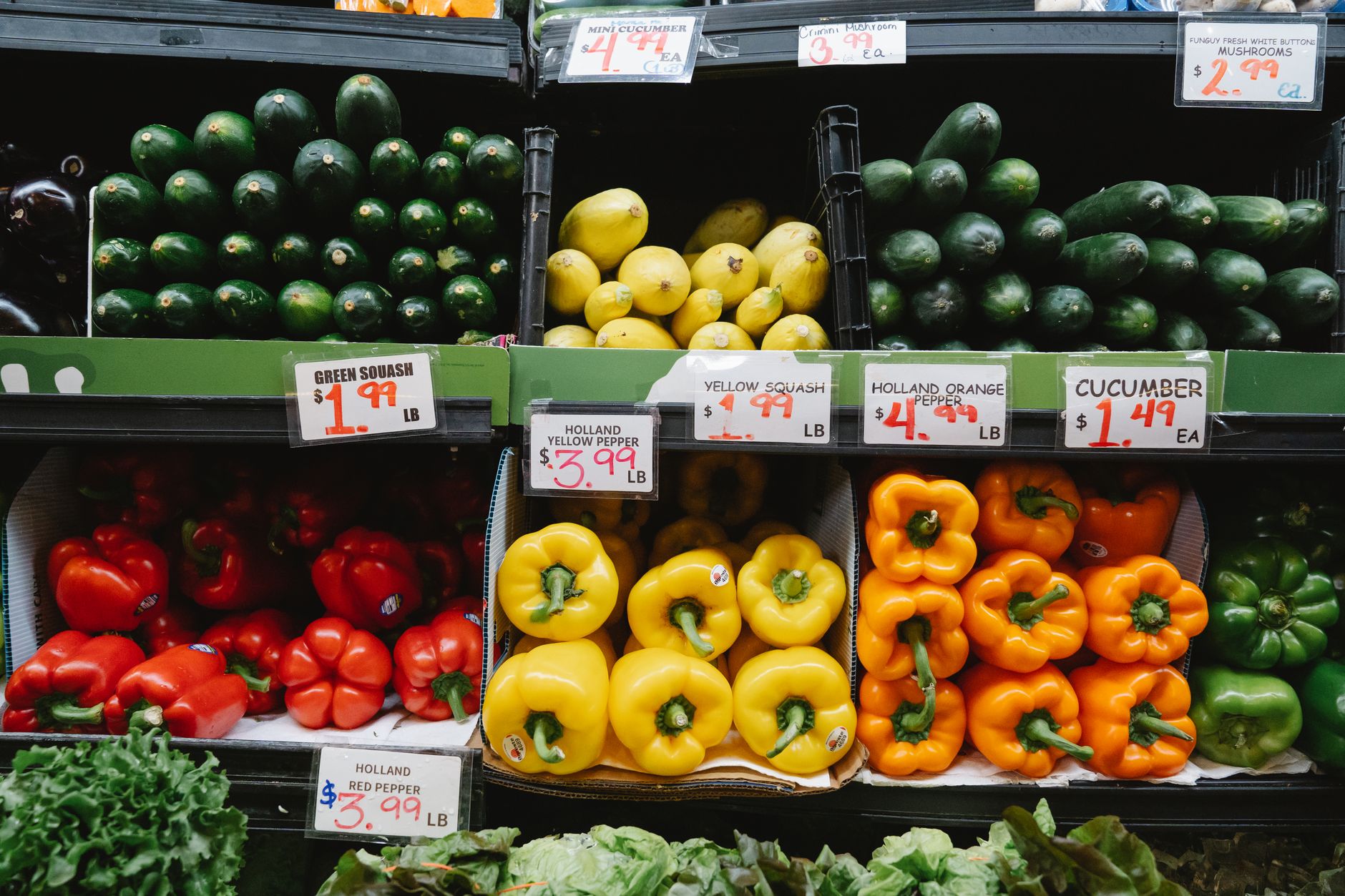
Hooks, bins, and tags that outran manual audits
A multistate farm and ranch retailer operating dozens of stores in the western U.S. sells everything from feed and fencing to apparel on peg hooks, open bins, and top stock. Associates could spend weeks walking aisles with handheld scanners to check more than 100,000 products, yet out of stocks and mismatched shelf tags still showed up between audits.
Rural shoppers often drive long distances expecting specific sizes and seasonal goods to be on the shelf. When inventory data lagged, teams burned hours on emergency counts instead of helping customers load trucks or fit tack.
- Mixed fixtures beyond standard gondola shelves
- Manual cycle counts that could not keep pace daily
- Price label drift that frustrated staff and shoppers
Proof of value, then a wider farm supply rollout
Leadership ran a proof of value in select farm and ranch stores, deploying autonomous aisle scanning robots that capture shelf images several times per day. Computer vision read tags on shelves, hooks, bins, and top stock, then pushed near real time alerts to a store intelligence dashboard and mobile app.
Store champions learned how to triage exceptions, refill fast movers, and fix signage before peak weekend traffic. After the pilot, the retailer committed to rolling the same capability into additional locations across six western states, with a path toward all 55 stores in the chain.
- Pilot in two banner formats before chain expansion
- Daily autonomous passes instead of monthly marathons
- Associate workflows tied to mobile exception lists
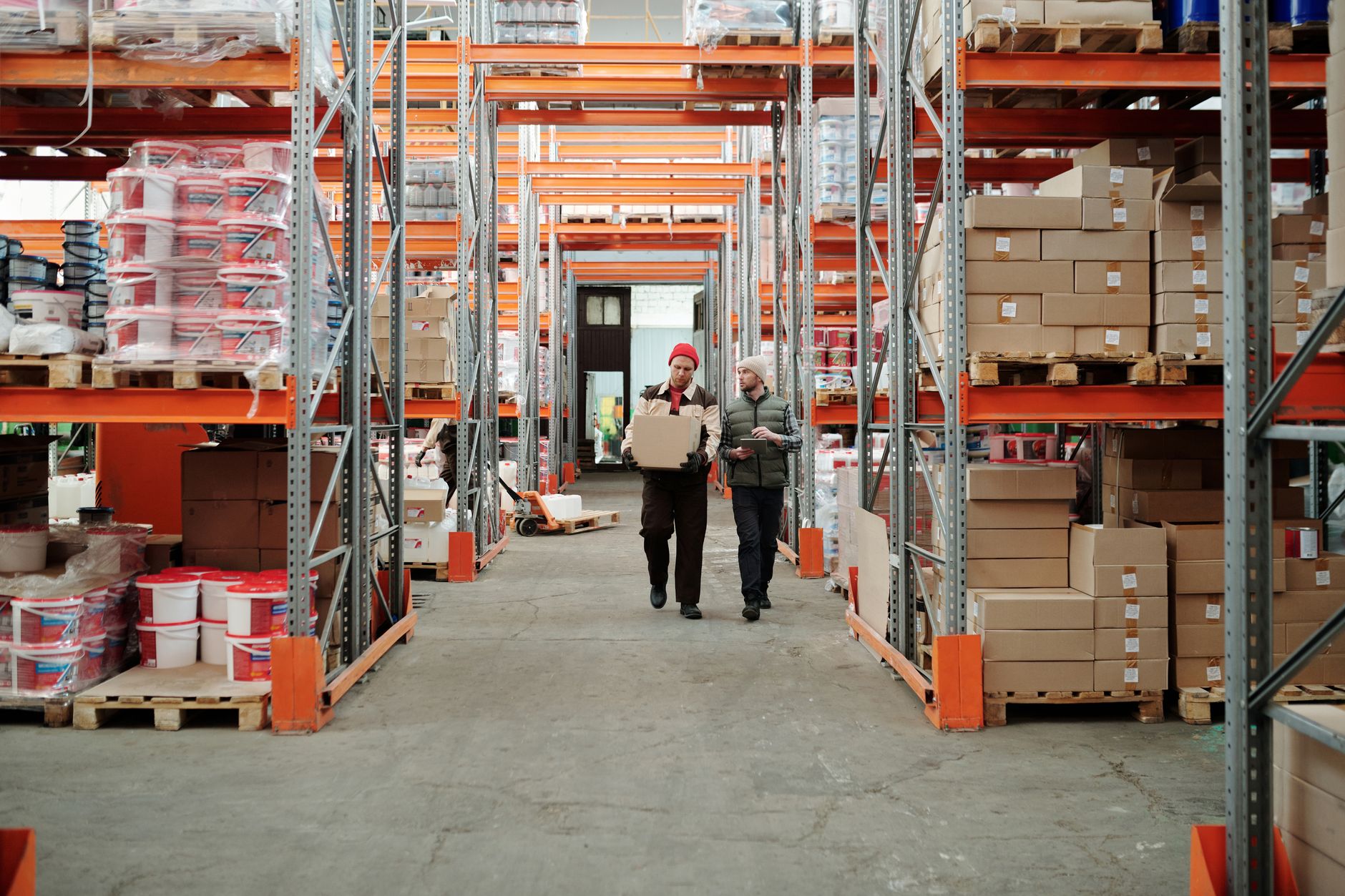
Measured gains in availability and tag accuracy
Stores in the proof of value reported a 25% improvement in on shelf availability and a 90% improvement in price accuracy compared with their prior manual process. Teams reclaimed roughly two weeks of labor previously sunk into scanning more than 100,000 products by hand.
Managers described fewer surprise gaps on seasonal items and faster corrections when a promotion price failed to hit the shelf. The data gave regional leaders a common picture of which categories needed more frequent touches.
What farm retailers can borrow from this playbook
Specialty retail with bulky SKUs and mixed fixtures benefits when inventory truth updates multiple times a day, not once a quarter. Service Robot Co. helps U.S. operators compare aisle scanning platforms, structure robot rental monthly or lease programs, and wire alerts into existing back office routines.
We stay vendor neutral from site assessment through training and nationwide service, so you can pilot one store, prove the labor and availability math, then scale without juggling separate hardware and integrator contracts.