
a short-staffed suburban quick-service restaurant in Illinois
Quick-Service Fry Station Case Study: 15 to 25% Faster Orders
A short-staffed suburban quick-service restaurant in Illinois shifted one fryer role to drive-through support, with order times reported 15 to 25% faster.
- 15-25%
- faster order times
- 2 staff
- traditional fry station
- 1 worker
- shifted to drive-through
- 32 of 35
- employees in May
Based on a documented real-world deployment. Figures are from public reporting; the organization is not named.
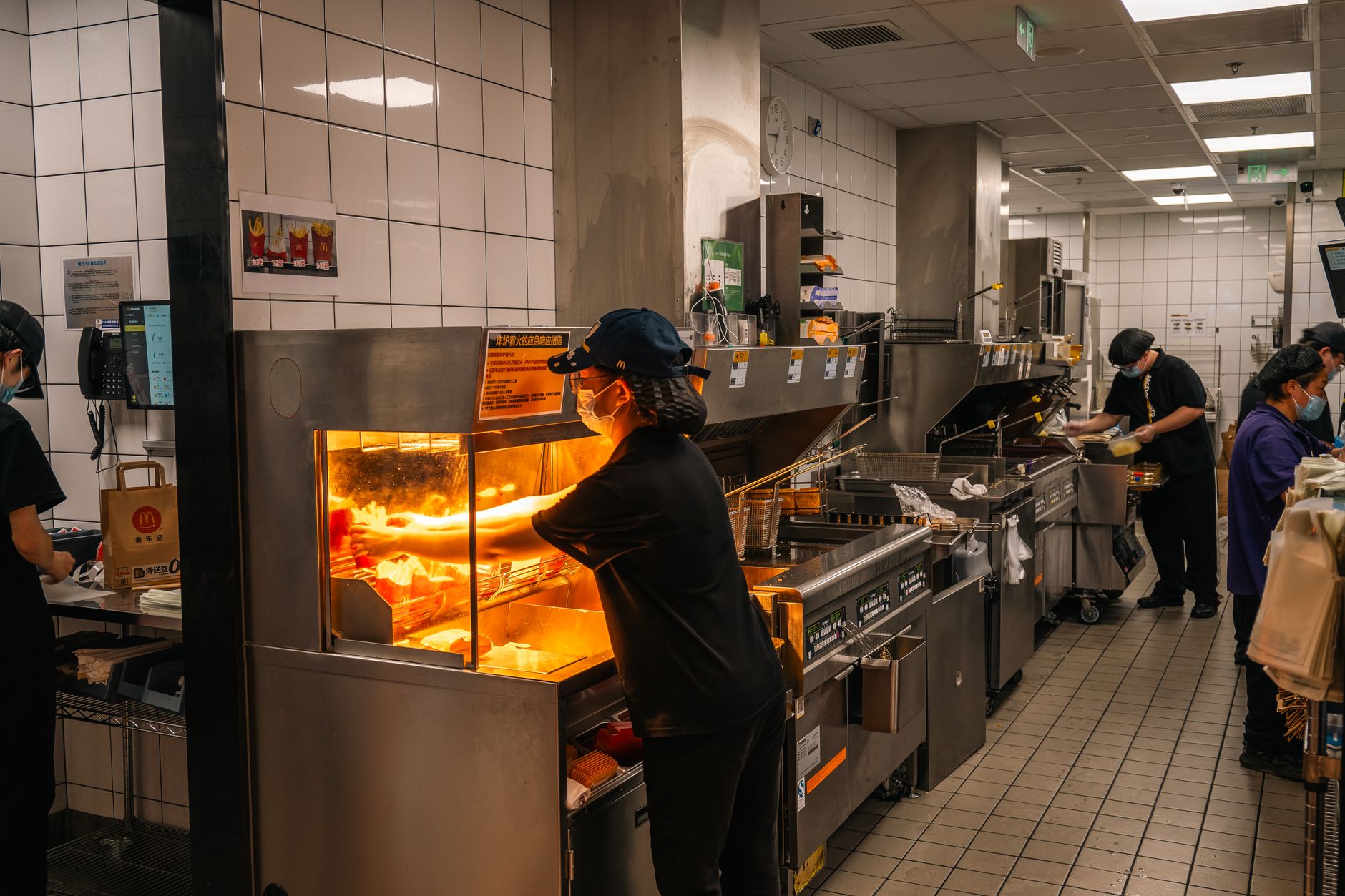
A Fry Bottleneck in a Thinly Staffed Store
This suburban Illinois restaurant was operating short. In May, the district supervisor said the store had 32 employees, about 8% below a desired staffing level of 35, after staffing levels had fluctuated since the pandemic.
The pressure showed up at the fryer. The station traditionally required two employees, and one of them spent the shift managing baskets and dropping frozen product into boiling oil, a hot, repetitive post that kept labor pinned to one spot.
- Fluctuating staffing levels left the store below its desired crew.
- The fryer tied one worker to basket handling in hot oil.
- Drive-through staff still had to take orders, make drinks, hand off food, and greet customers.
Reassign the Basket Role, Not the Whole Station
The operator introduced a robotic fry station at the Illinois location, which the report identified as the third store in the chain to install the system. Instead of staffing the fryer the old way, one worker fed product into the machine while the second worker moved to the hospitality door beside the drive-through.
That role design mattered as much as the hardware. The robot maker said the newer version was refined to be easier for restaurant crews to learn and to fit better into daily kitchen flow, which is crucial in an environment with heavy turnover.
- Keep one worker at the fryer to load product into the machine.
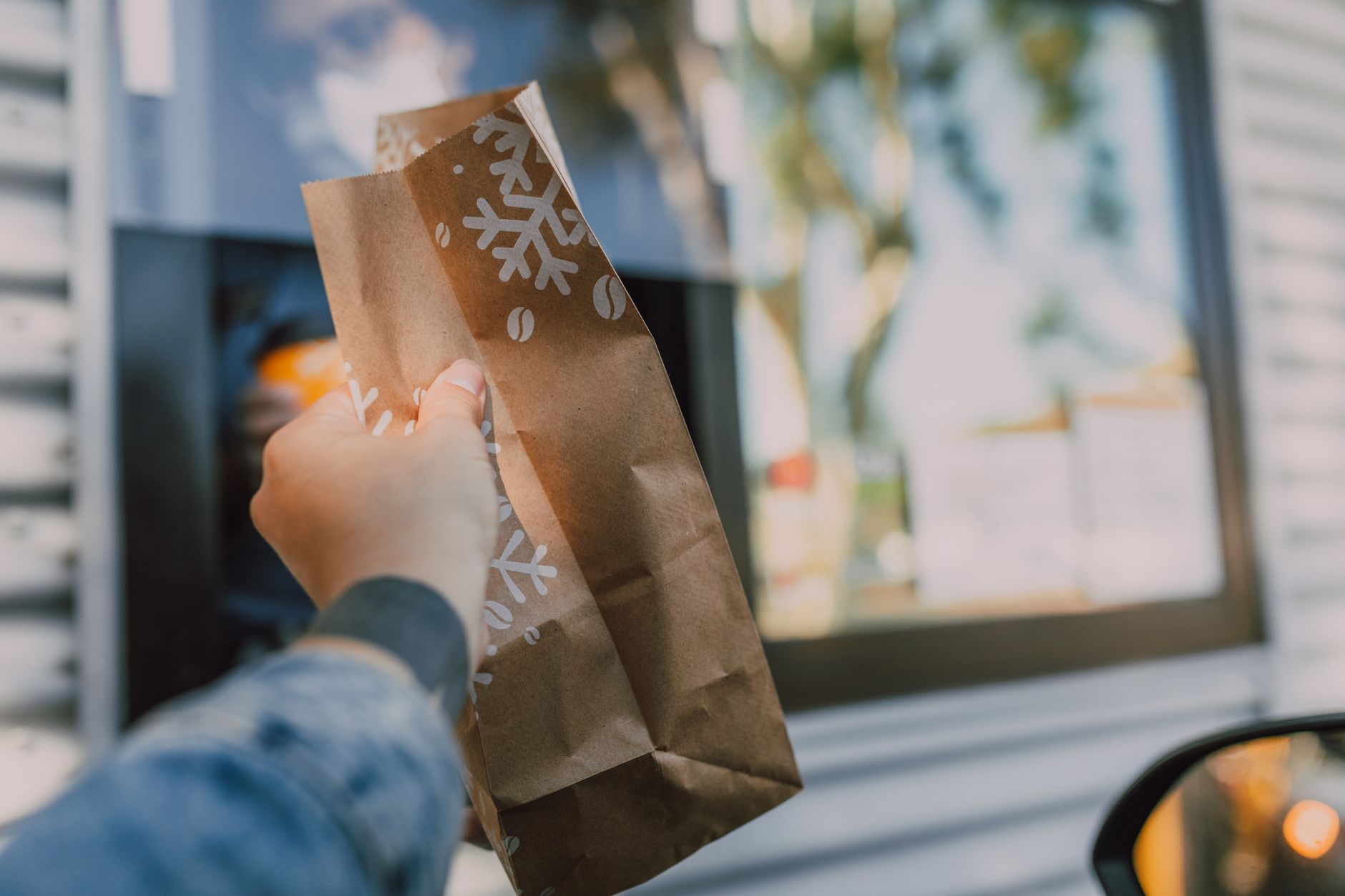
- Move the former basket handler to expedite drive-through orders and interact with guests.
- Use the robot for the repetitive drop and pull basket work at the fryer.
Measured Speed Gains and Labor Reallocation
The store reported a cleaner division of labor. The employee who previously handled baskets could support drive-through service instead, easing pressure on staff who were taking orders, making drinks, handing off food, and working headsets.
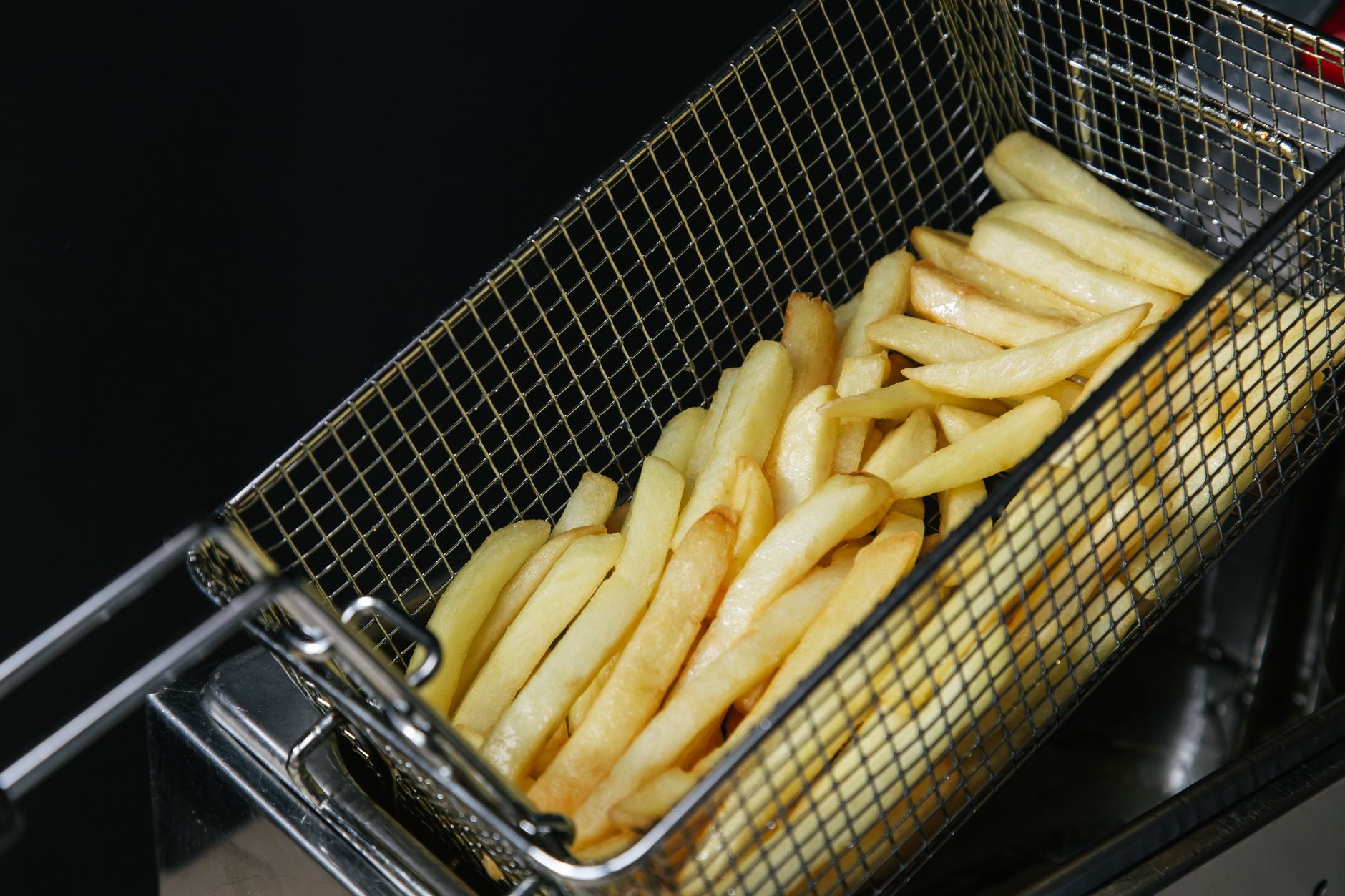
The robot maker quantified the outcome as 15% to 25% faster order times. In the same account, it noted that the fry station can hold up an order by 1, 2, or 3 seconds, and that even 3 seconds is meaningful inside a 90-second order.
What this says about restaurant robot buying
This example is useful because the gain did not come from fantasy labor math. It came from moving a person out of a punishing fry post and into a guest-facing bottleneck, then keeping the station productive through a role design the crew could actually run.
That is where Service Robot Co. fits. As a vendor neutral robot integrator, we help restaurants compare food service robot leasing, commercial robot leasing, purchase or lease, and robot leasing for business, then handle robot deployment and integration, training, financing, and service through one nationwide relationship.