a Texas K-12 school district operating more than 60 buildings
How a Fast-Growing Texas School District Freed 5 Labor Hours Daily With Scrubbers
A Texas K-12 district freed 5 labor hours daily by autonomously scrubbing 115,000 sq ft of gyms, cafeterias, and corridors overnight at two high schools.
- 5 hrs
- Labor freed daily
- 115K sf
- Autonomous routes
- 5 hrs
- Nightly runtime
- 68
- District buildings
Based on a documented real-world deployment. Figures are from public reporting; the organization is not named.

Four million square feet and thin custodial benches
A fast-growing Texas K-12 district serves more than 24,500 students across dozens of elementary, middle, and high school buildings, plus support sites. In all, the portfolio spans 68 facilities and more than four million square feet of hard flooring.
Gyms, cafeterias, and long corridors demand nightly scrubbing, but hiring could not keep pace with enrollment. Custodial leaders needed consistent results without pulling staff off restrooms, classrooms, and touchpoint disinfection.
- Labor shortages across evening cleaning shifts
- Large hard-surface zones in two pilot high schools
- Need for reliable overnight coverage
- Pressure to raise sanitization confidence after the pandemic
Overnight autonomous scrubbing in two high schools
In September 2021 the district, working with its contracted facilities partner, installed autonomous scrubbers in two high schools. Routes targeted gyms, cafeterias, and main corridors where ride-on manual work consumed entire shifts.
Each unit ran about five hours overnight without an operator on the machine, navigating hallways and gym floors while staff handled setup and recovery. UV germicidal lighting at the rear of the scrub path added an extra sanitization step on the cleaned surface.
- Mapped autonomous routes in two high schools first
- Focused on 115,000 square feet of large hard surfaces
- Scheduled five-hour unattended overnight runs
- Kept custodians on detail tasks while robots scrubbed loops
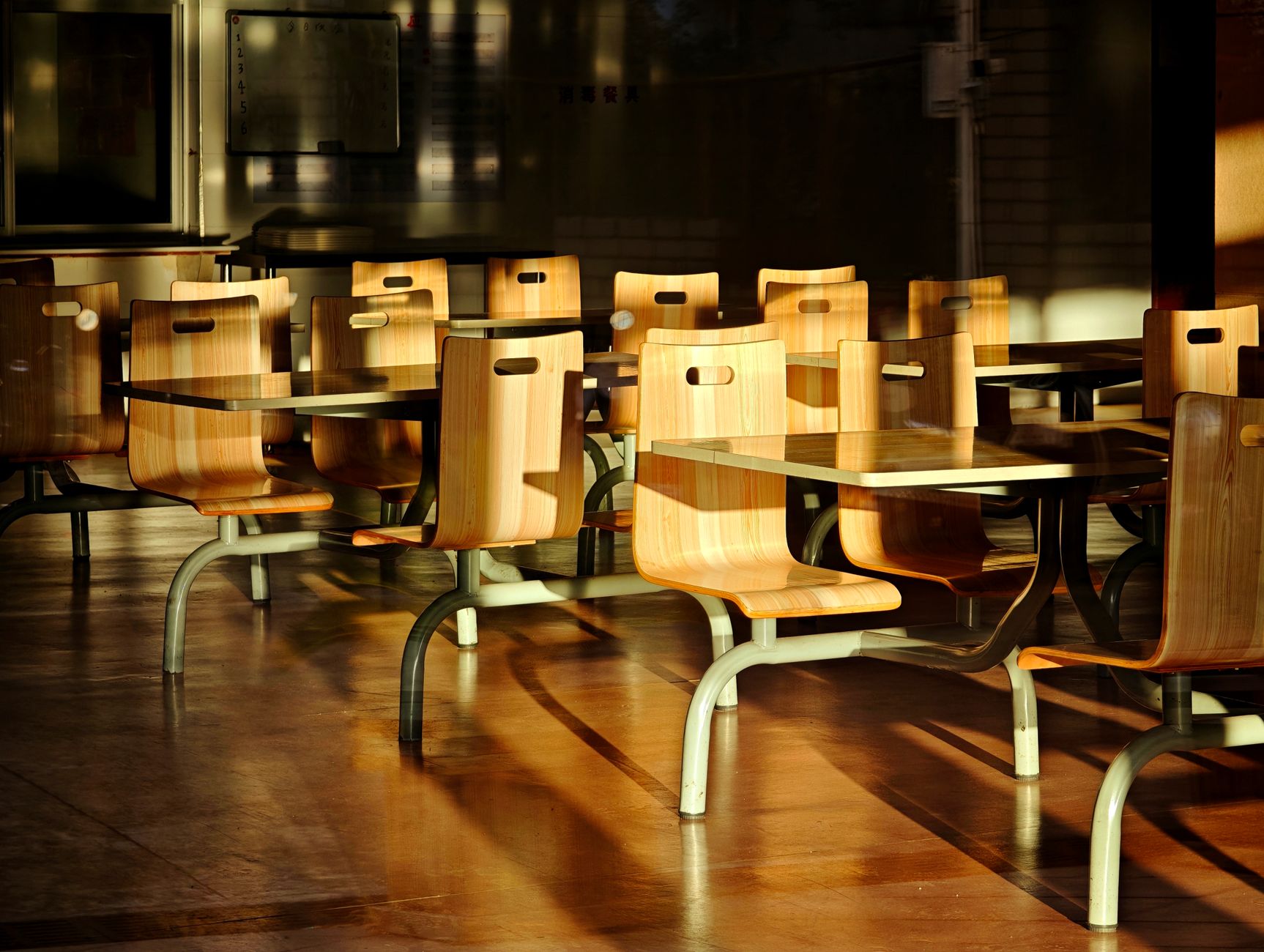
Documented time return and steadier floors
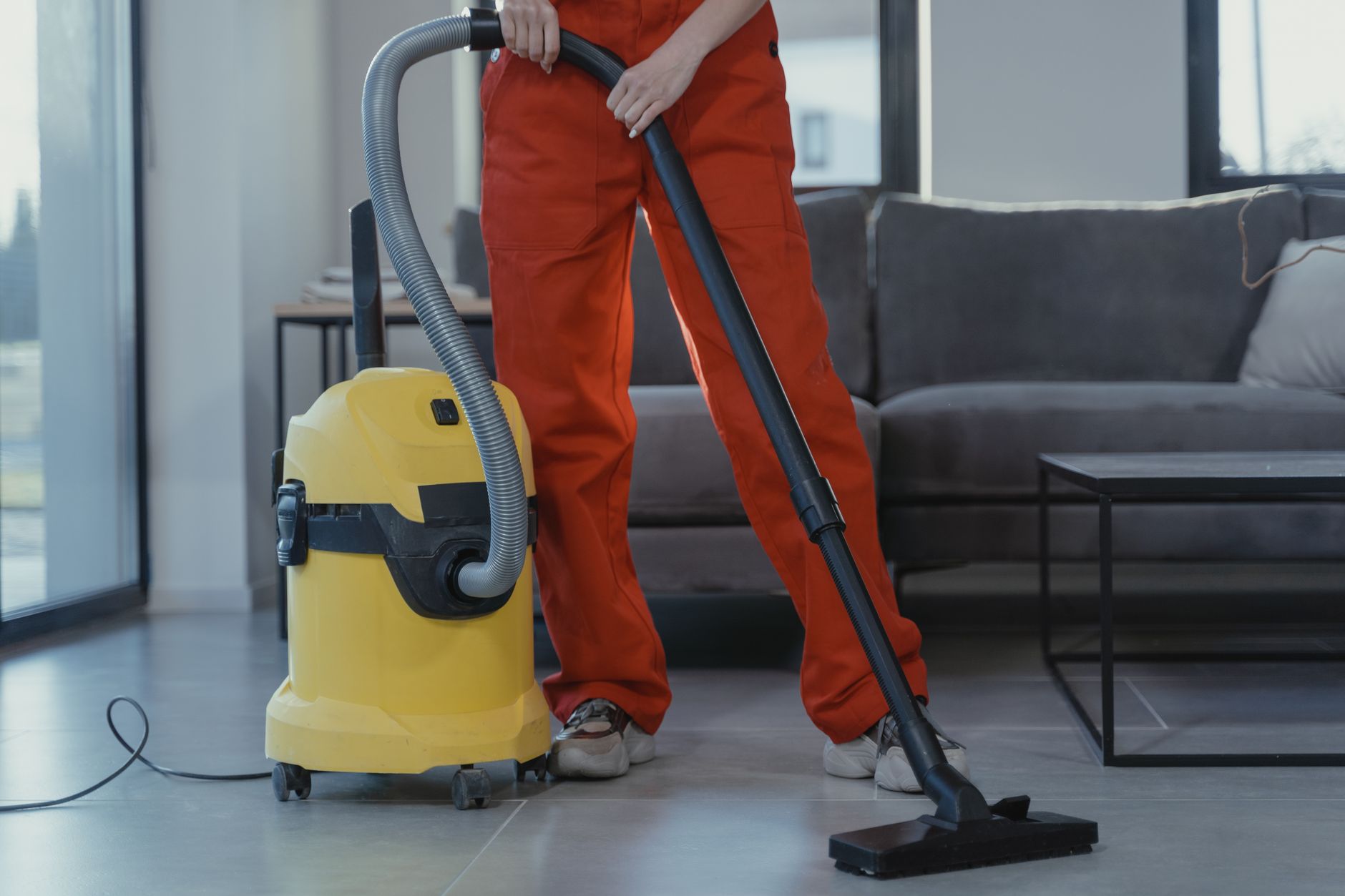
Published outcomes from the pilot report five labor hours freed each day across the custodial team, time redirected to projects that had been deferred during staffing gaps.
The autonomous program covers 115,000 square feet nightly between the two sites. District leaders described gym, cafeteria, and corridor floors as automatically cleaned while remaining staff concentrated on detailed work.
Operations cited more consistent results, better use of custodial hours, and stronger confidence in floor sanitization without adding headcount for the pilot zones.
Lessons for other education and civic sites
This Texas district is not a Service Robot Co. client. It shows how a vendor neutral integrator can size autonomous scrubbers for gyms and corridors, then place them on commercial cleaning robot rental or lease terms that match public budgets.
Service Robot Co. maps routes, trains custodial leads, and backs units with maintenance included service and on-site dispatch nationwide. A robot pilot program on one campus lets K-12 leaders prove overnight coverage before expanding across a multi-building portfolio.