a faux-stone veneer and siding factory in Kentucky
How a Kentucky Faux-Stone Plant Cut Weekly Spray Downtime by 2.5 Hours
A faux-stone veneer factory in Kentucky retrofitted robotic spray on its conveyor molds, cut 2.5 hours of weekly downtime, and moved four painters out of a harsh booth.
- 2.5 hr
- Weekly downtime cut
- 4
- Manual painters before
- Less
- Overspray waste
- Same gun
- Retrofit path
Based on a documented real-world deployment. Figures are from public reporting; the organization is not named.

Manual spray in a harsh booth
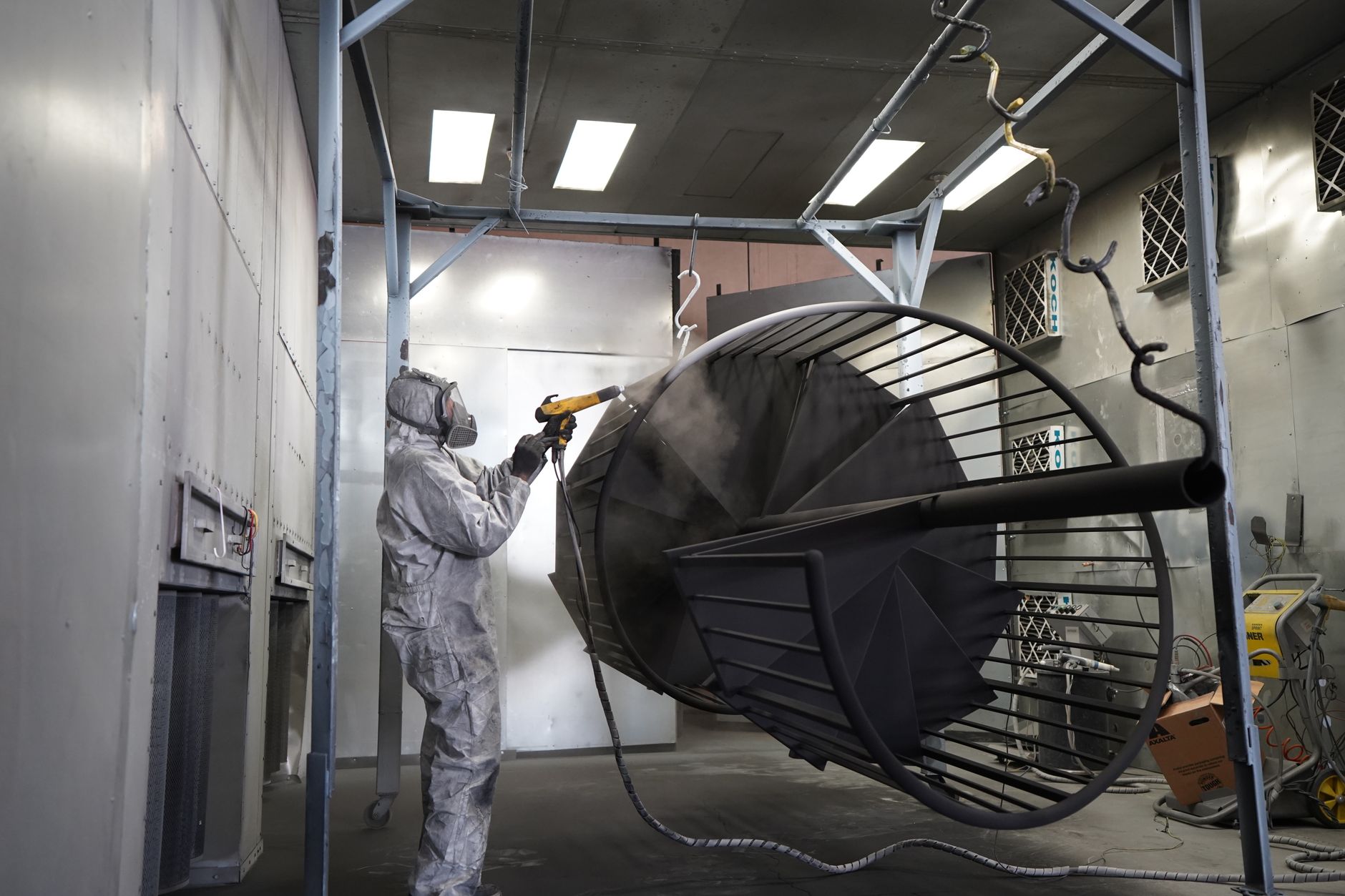
A faux-stone veneer and siding factory in Kentucky ran four painters at a conveyor line where each mold received liquid cement by hand. Every operator pulled a different amount of material, so coverage drifted, overspray piled up, and finished pieces varied batch to batch.
The booth demanded respirators and steady attendance. Breaks, call-offs, and uneven pacing turned the spray station into recurring downtime on an otherwise simple loop. Leadership wanted consistency without rebuilding the whole line or abandoning spare parts tied to their existing gun.
Retrofit robot on the same conveyor slot
An integration partner mounted a large-payload industrial arm where the painters had stood. A custom end-of-arm tool held the plant's existing spray gun so spare parts and finish character stayed familiar.
The arm tracks mold speed on the conveyor at the same line rate humans used, but it runs through breaks and shift gaps. Built-in controller logic trimmed extra hardware where possible, and operator training covered programming and routine maintenance after go live.
- Keep conveyor timing and mold presentation unchanged
- Reuse the legacy spray gun on a new arm mount
- Program coverage paths to match prior human pacing
- Train internal staff to maintain the cell
Measured line outcomes
Published results cite an average of 2.5 hours of production downtime removed each week because the cell no longer stops for painter breaks and attendance gaps at that station.
Overspray fell and product consistency rose once one programmed path replaced four manual styles. Former spray staff moved to other roles away from the harsh environment while weekly output stabilized on the same molds.

What building-products plants can borrow
Harsh finishing booths are a common reason small manufacturers delay automation. This Kentucky example shows a retrofit on existing guns and conveyors, not a greenfield paint line.
Service Robot Co. did not deploy this spray cell. We are a vendor neutral integrator for US plants that need cobot rental for manufacturing, end of line automation, phased deployment with no shutdown, and nationwide service on one contract. Robot leasing for business and month to month paths can mirror a single-station pilot before you scale.