
a high-frequency passenger ferry fleet
Passenger Ferry Fleet Cuts Fuel Burn Up to 13% With Hull Robots
A documented passenger ferry fleet used underwater hull-cleaning robots about twice weekly and reported up to 13% lower fuel use across the fleet.
- Up to 13%
- lower fleet fuel use
- 2x weekly
- hull grooming cadence
- 24 m
- vessels in trial
- 4K
- cameras on robot
Based on a documented real-world deployment. Figures are from public reporting; the organization is not named.
Drag Was Building Below the Waterline
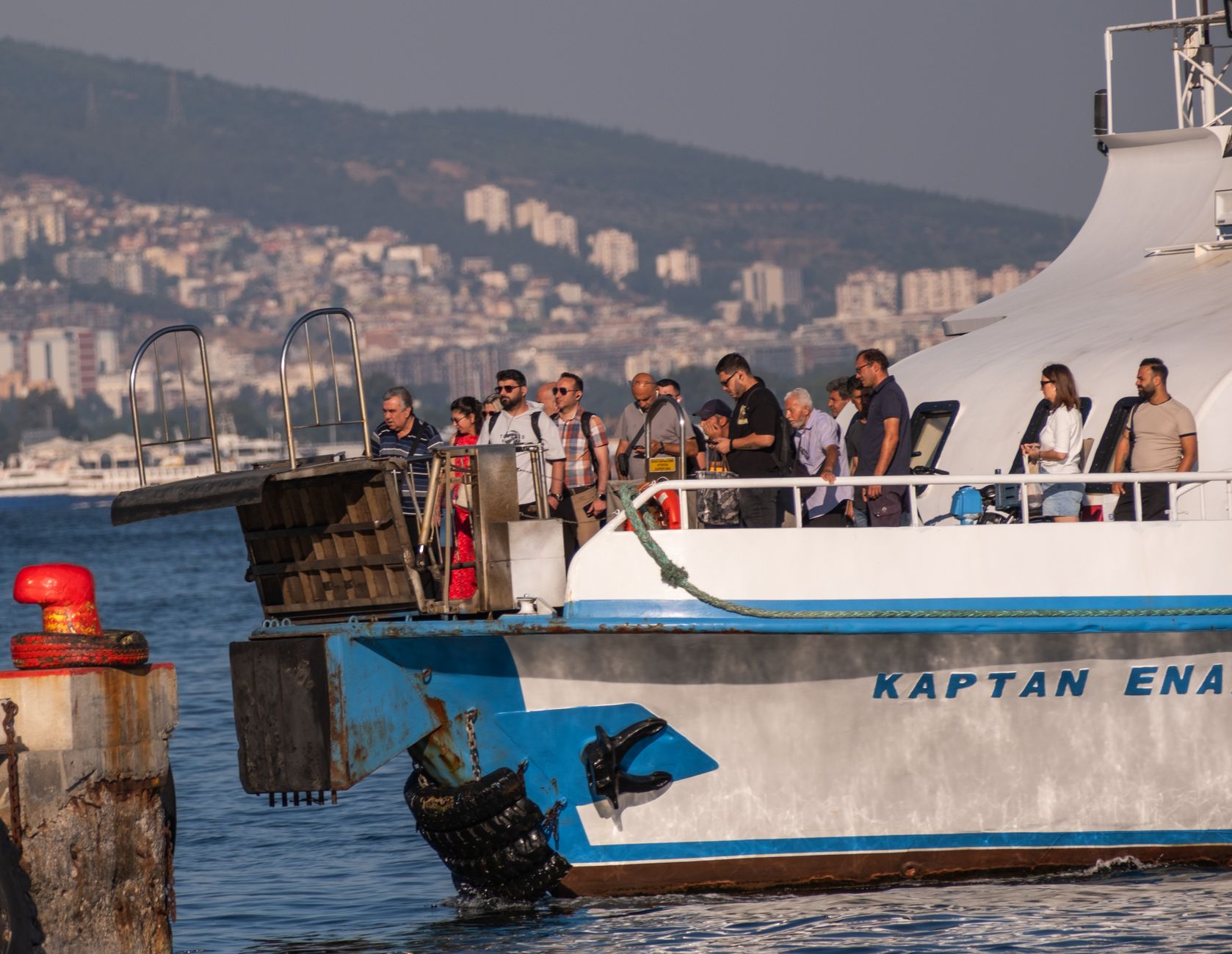
On a high-frequency passenger ferry fleet, hull condition is not a cosmetic issue. Marine growth under the waterline increases drag, and drag turns directly into extra fuel burn on vessels that repeat the same passenger runs day after day.
The documented operator was also working with a hull-care method that depended on people and antifouling coatings. The source describes that process as inefficient, which is a hard fit for a fleet that needs cleaner hulls without pulling vessels into a slower maintenance rhythm.
- Biofouling was increasing hydrodynamic drag.
- Conventional hull care depended on human cleaning.
- Antifouling paint was part of the old maintenance approach.
- The fleet needed a tighter cleaning cadence to keep marine growth from building back up.
A Trial Turned Hull Cleaning Into Routine Grooming
The operator introduced AI-powered underwater hull-cleaning robots on 24 metre vessels through a live trial. Each robot weighed about 10 kilograms and carried 4K cameras at the front and rear, along with sensors, propellers, and silicon bristles for grooming the hull.
The operating cadence was the real shift. Instead of treating hull cleaning as an occasional manual task, the fleet used the robots about twice a week, which the source says was more frequent than human cleaning and better suited to keeping marine growth in check.
The public reporting describes a trial first and fleet-wide savings after, so the rollout appears to have followed a sensible path. Prove the effect on live vessels, then fold the practice into normal vessel husbandry.
- Start with a live vessel trial.
- Use lightweight underwater robots with onboard cameras and sensors.
- Groom hulls about twice a week.
- Turn cleaning into a repeatable operating routine, not a sporadic maintenance event.
Fuel Burn Fell as Drag Came Off the Hull

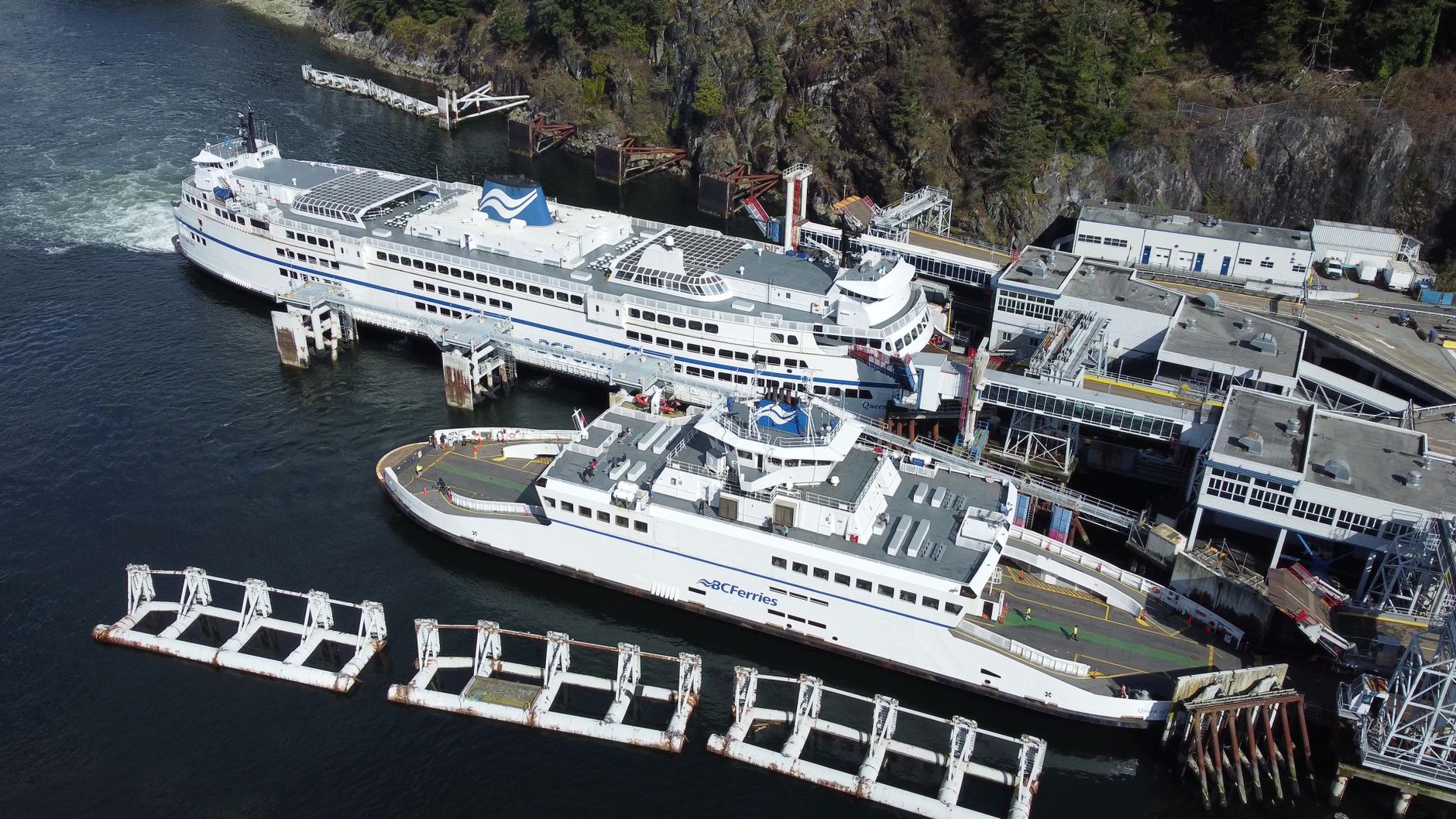
The headline result was up to 13% lower fuel consumption across the fleet. The source ties that gain to a plain operating mechanism: the robots removed marine growth, reduced drag, and helped the vessels move through the water with less resistance.
The operator also linked the cleaner hulls to lower diesel pollution and lower emissions. In the same public post, it placed the trial inside a broader emissions agenda of a 30% reduction in operational emissions by 2030 and net zero by 2050.
What This Means for U.S. Maritime Buyers
For U.S. operators, the lesson is not just that underwater robots can clean a hull. It is that a service robot lease or commercial robot leasing program only earns its keep when the machine fits the vessel, the cadence fits the timetable, and the pilot is judged on fuel and emissions rather than novelty.
That is where Service Robot Co. fits as a full-service, OEM-neutral, vendor neutral robot integrator. We help buyers compare robot leasing for business, monthly payment programs, purchase or lease, then carry robot deployment and integration, crew training, and RoboCare™ service support through a nationwide US engineer network.
For fleets that want to try before you buy, a bounded robot pilot program keeps the decision disciplined. The practical goal is simple: prove the operating math on real vessels, then expand with one vendor for the whole lifecycle.