
a premium urban steakhouse with a high-touch service model
Premium Steakhouse Case Study: 30% Fewer Staff Steps
A documented steakhouse deployment shows how a tray delivery robot cut staff steps 30%, calmed the floor, and freed servers for closer guest attention.
- 30%
- Server steps reduced
- 3 roles
- Front-of-house split
- 2 tasks
- Running and bussing help
- 2 gains
- Spend and guest lift
Based on a documented real-world deployment. Figures are from public reporting; the organization is not named.
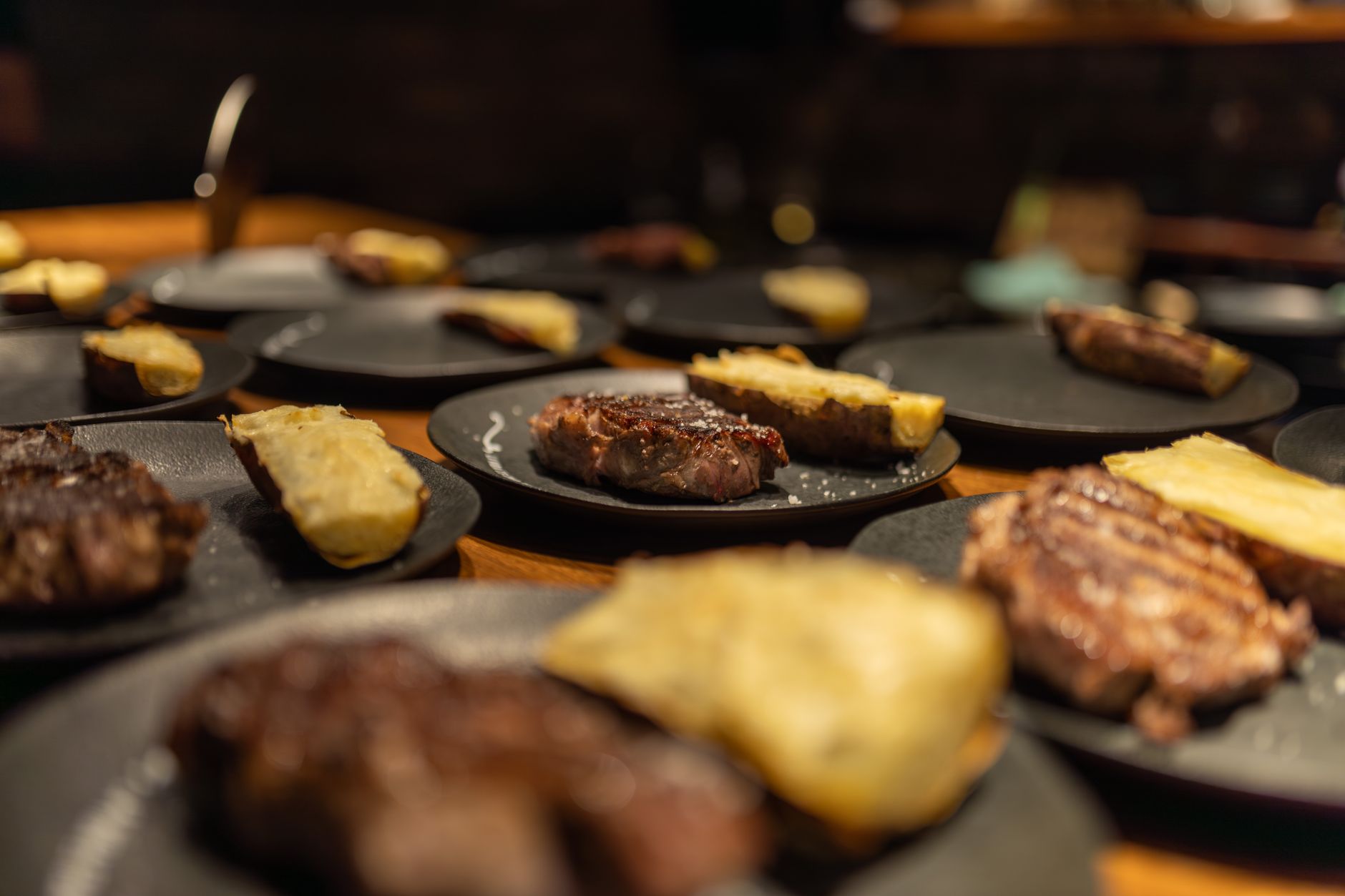
Where the Floor Was Breaking Down
This operation was built around close table-side attention. Servers were not just dropping plates. They were cooking meat at the table, taking orders, offering wine, and managing a polished room section by section.
The strain showed up at peak. The source says staffing was often not sufficient on weekends and holidays, so servers also covered runner work. That pulled them out of their zones, sent them hurrying across the dining room, and weakened the calm atmosphere guests were there to enjoy.
- Peak periods made staff movement feel too frantic for a premium room.
- Servers were doubling as runners instead of staying centered on guest care.
- Leaving assigned sections made it harder to watch table-side cooking and catch orders quickly.
Give the Repetitive Loop to the Robot
The source describes a trial operation ahead of full deployment. The tray delivery robot was assigned to the runner loop between the kitchen and guest tables, the exact back-and-forth that had been pulling servers away from the service moments that mattered most.
That division of labor is the key move. The robot handled repetitive transport, while the human team stayed with cooking, pacing, recommendations, and conversation. The source also notes that used dishes could be loaded onto the robot, which helped with the heavier return trips as well.
- Start with the kitchen-to-table runner route.
- Keep servers in their sections for table-side cooking, orders, and guest conversation.
- Use the same robot for dish return where that handoff helps the team.
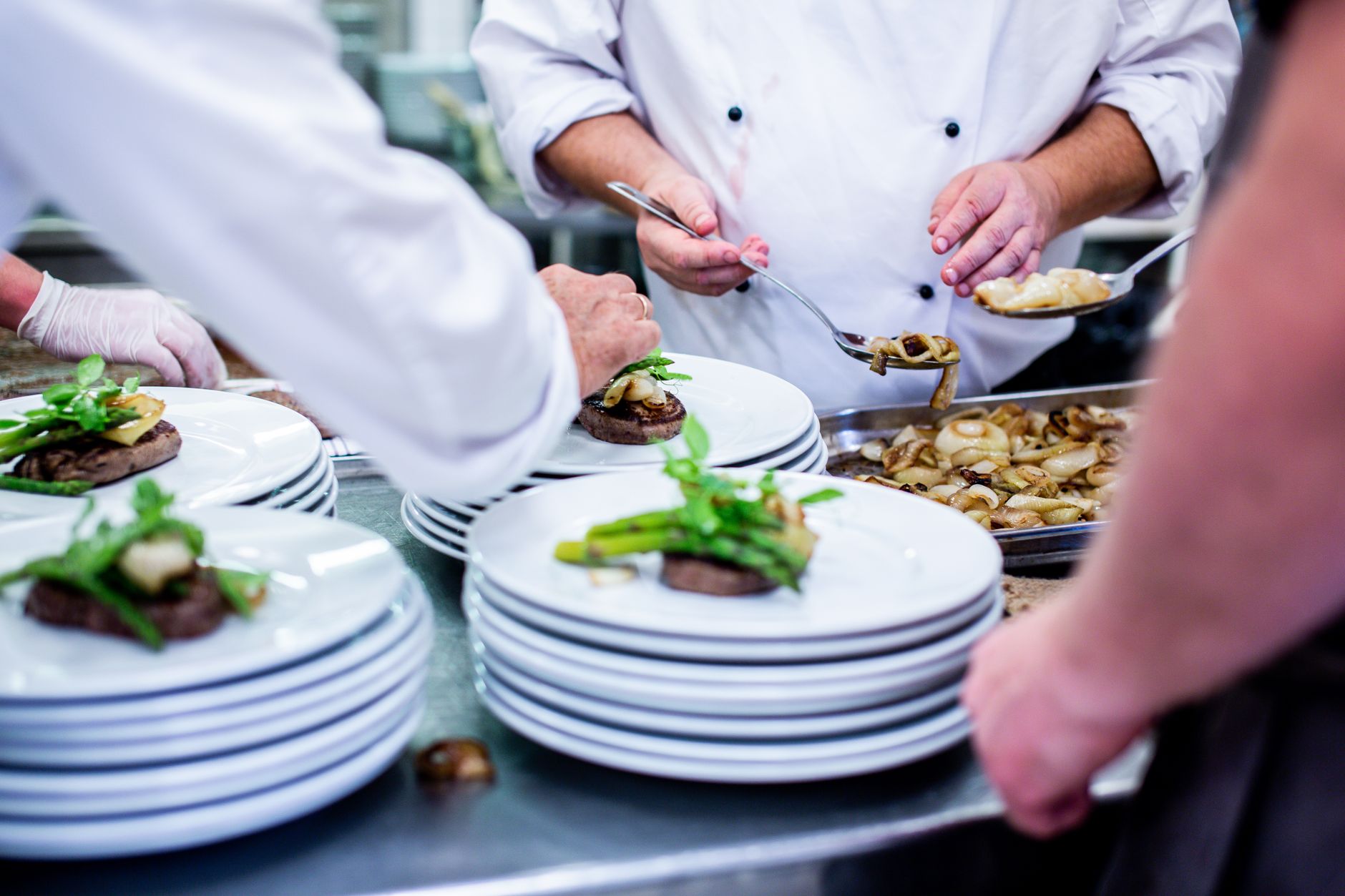
What the Documented Trial Changed
The clearest measured result was a 30% reduction in server steps. The operator ties that directly to moving runner trips off the servers and onto the robot, which cut repeated laps between the kitchen and tables and eased physical fatigue.
Service quality improved in ways that suit a high-touch dining room. With fewer departures from their sections, servers could focus more closely on cooking at the table, make wine service more attentive, and keep the floor from feeling rushed during peak periods. Guests responded positively, and the robot even helped spark warmer shared moments in the room.
On the commercial side, the source names two effects: higher average spend and more guests. It also says revenue increased when comparing before and after the robot's use, but it does not publish a percentage, so the honest claim is directional rather than numeric.
Why This Matters for U.S. Restaurant Buyers
This is a strong counterexample to the idea that a restaurant delivery robot lease only fits casual dining. In this case, a food running robot supported the atmosphere instead of flattening it. Used carefully, a server assistant robot or busser robot keeps the repetitive mileage off the floor team so the human part of service can stay human.
That is where Service Robot Co. fits. We are a full-service, OEM-neutral commercial robot integrator for U.S. businesses. We select the right robot across manufacturers, then handle robot deployment and integration, financing, training, and service through one vendor for the whole lifecycle.
For operators weighing service robot leasing, or robot leasing for business, the buying model matters almost as much as the machine. Service Robot Co. can support purchase or lease, monthly payment programs, RoboCare™ service coverage, remote triage, on-site dispatch, a commercial robot demo, and a try before you buy path with a free site assessment.