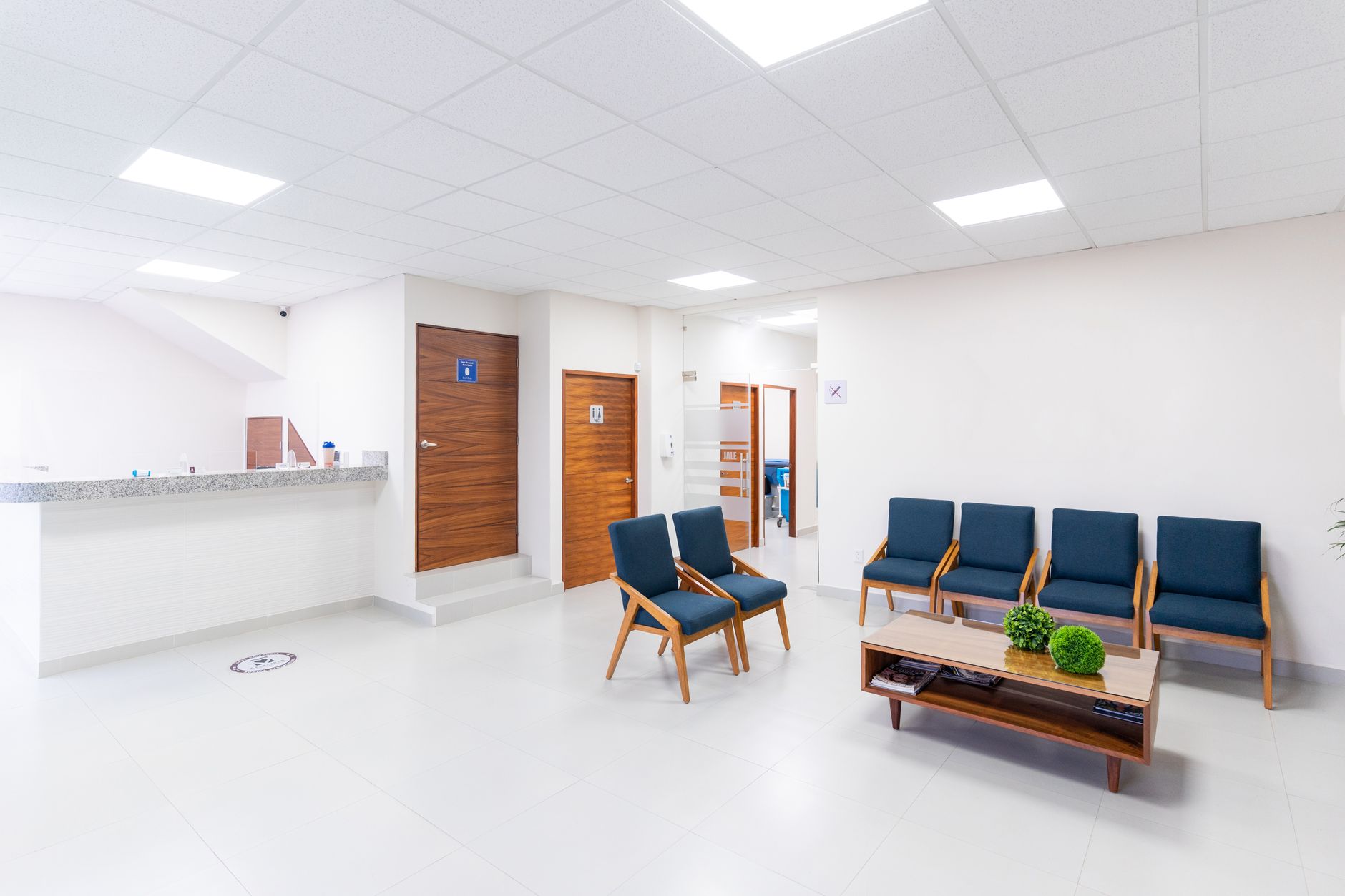
one of Finland's largest regional acute-care hospitals serving roughly 120,000 patient visits a year
How a Finnish Regional Hospital Cut EVS Cleaning Time 45–65% With Co-Botic Scrubbers
A Finnish regional hospital reported 45–65% cleaning time savings, 40% less water, and about €10,000 yearly savings after autonomous scrubbers.
- 45–65%
- Time saved
- 40%
- Less water
- €10K
- Annual savings
- 2,900
- Staff on site
Based on a documented real-world deployment. Figures are from public reporting; the organization is not named.
Corridors, Image, and Bulky Manual Gear
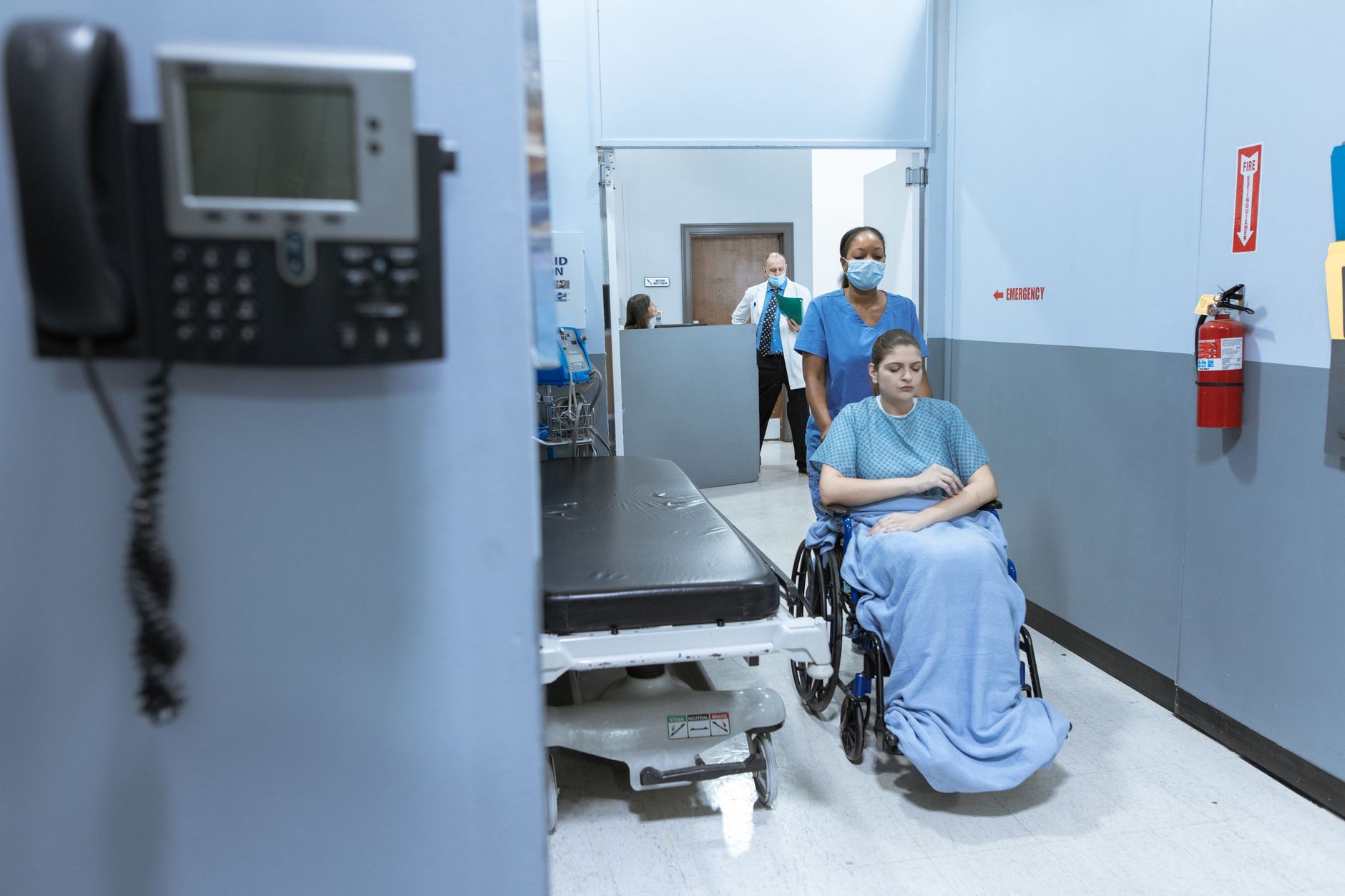
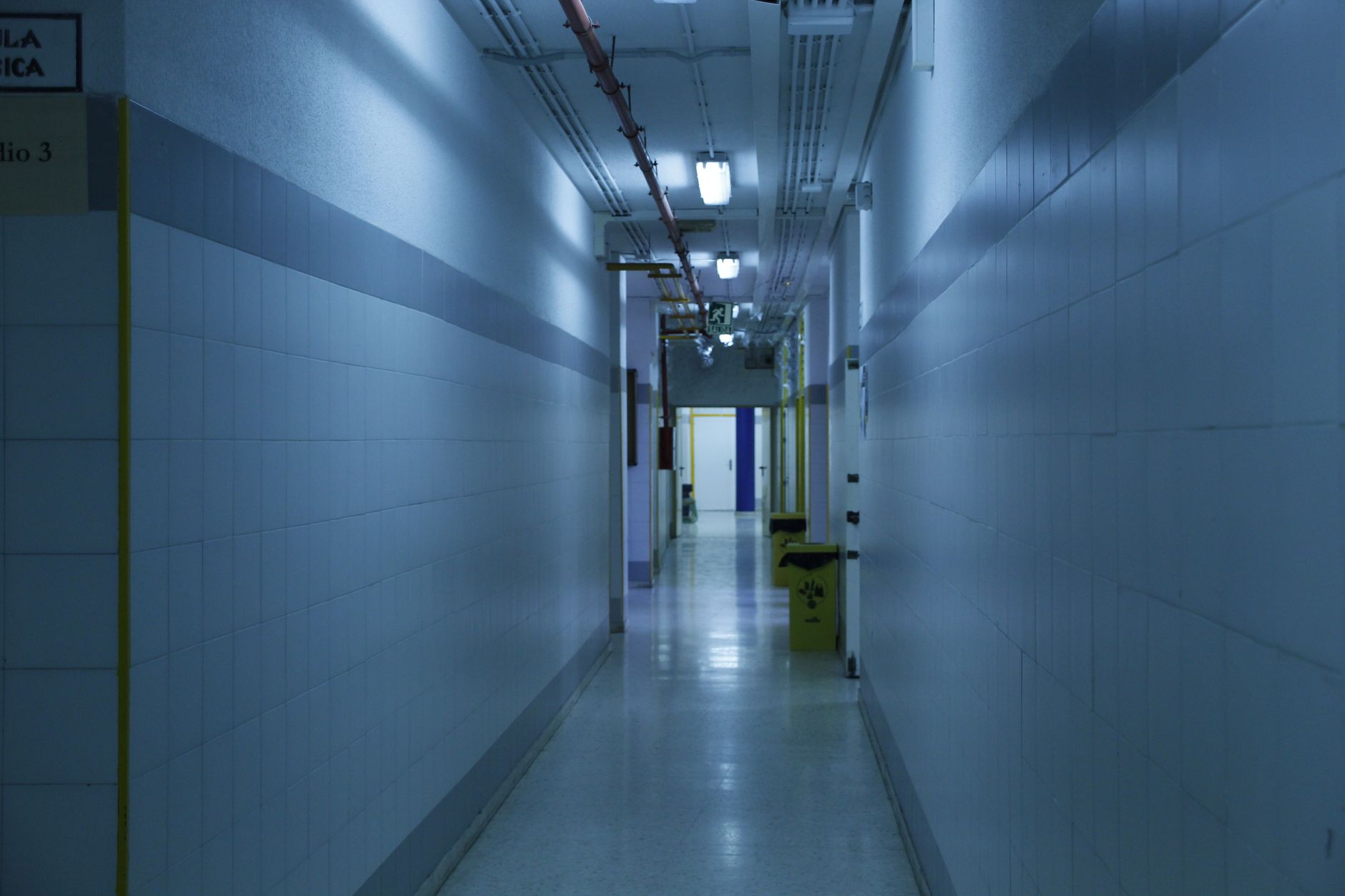
One of Finland's largest regional acute-care hospitals welcomes on the order of 120,000 patient visits a year across a workforce of roughly 2,900 people. Long corridors, multiple floors, and strict hygiene expectations left environmental services juggling bulky manual scrubbers in a facility where appearance and infection control both matter.
Traditional ride-on and walk-behind machines dominated daily routines, tying technicians to repetitive loops when leadership wanted those hours redirected to detail work and rapid response.
Stakeholders expected any new approach to raise throughput without lowering the professional standard visitors associate with a flagship regional hospital.
- Cover extensive hard-floor mileage every day
- Reduce reliance on oversized manual scrubbers
- Protect the hospital's public image while improving hygiene
Robotic Scrubbers Plus a Digital Cleaning Platform
A facilities partner introduced a mix of self-navigating scrubber-dryers for larger zones, compact scrubbers for tighter clinical areas, and a digital platform to schedule and monitor machine-assisted cleaning.
The rollout paired larger autonomous units for open corridors with lighter machines where turns and clutter are tighter, and leadership planned additional medium-size robotic scrubbers as routes proved stable.
Teams trained on starting mapped runs, refilling solutions, and handing off between zones so supervisors could supervise several active routes instead of walking every loop.
- Deploy large autonomous scrubber-dryers on main corridors
- Use compact scrubbers in constrained clinical spaces
- Centralize scheduling and machine status in one digital system
- Phase in additional robotic units as maps and staffing rhythms mature
Measured Time, Water, and Cost Gains

Published results cite 45 to 65 percent time savings on cleaning work tied to the robotic and machine-assisted program, freeing staff for higher-priority tasks across the campus.
Water use fell about 40 percent compared with prior methods, which supports sustainability goals in a high-volume healthcare setting.
The hospital also reported roughly €10,000 in annual cost savings alongside stronger hygiene and safety outcomes, with lower contamination risk called out as a qualitative benefit.
What US Hospital EVS Teams Can Take From This
This is a documented real-world example analyzed for readers, not a Service Robot Co. customer story. It shows how a regional acute-care campus can pair autonomous scrubbers with workflow software when hiring pressure and square footage both climb.
Service Robot Co. stays OEM-neutral, maps clinical routes with your infection-control stakeholders, and bundles buy or lease financing with nationwide RoboCare service so environmental services has one partner from pilot through multi-building expansion.