
a large regional hospital in Finland serving about 120,000 visitors a year
How a Finnish Regional Hospital Cut EVS Cleaning Time 45-65%
A documented Finnish regional hospital cut EVS cleaning time 45-65%, cut water use 40%, and reported about 10,000 euros in annual savings after rolling out autonomous scrubbers.
- 45-65%
- Time saved
- 40%
- Less water
- €10k/yr
- Cost savings
- 120k
- Annual visitors
Based on a documented real-world deployment. Figures are from public reporting; the organization is not named.
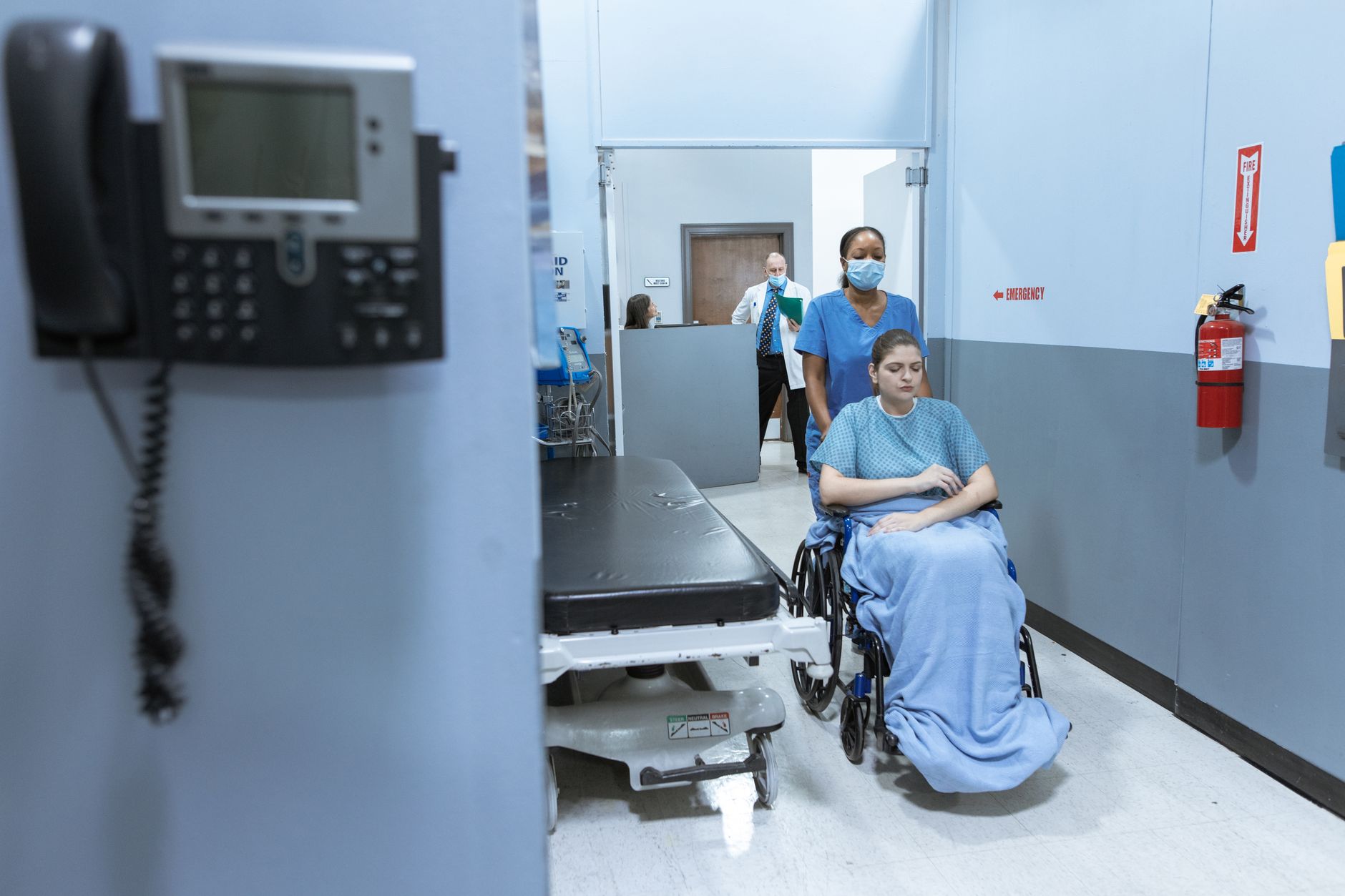
Corridors too wide for comfort, too tight for old machines
A large regional hospital in Finland serving about 120,000 visitors a year runs long corridors, multiple floors, and constant foot traffic. Environmental services teams relied on bulky manual scrubbers that were hard to maneuver and slow to turn around between wings.
Leadership wanted higher hygiene proof without adding headcount. Staff needed tools that could keep pace during busy days while protecting the hospital's public image when visitors and clinicians passed cleaning crews in main halls.
- High-traffic corridors with limited storage for large machines
- Pressure to improve consistency without slowing patient flow
- Expectation that any new tool would integrate with existing EVS routines
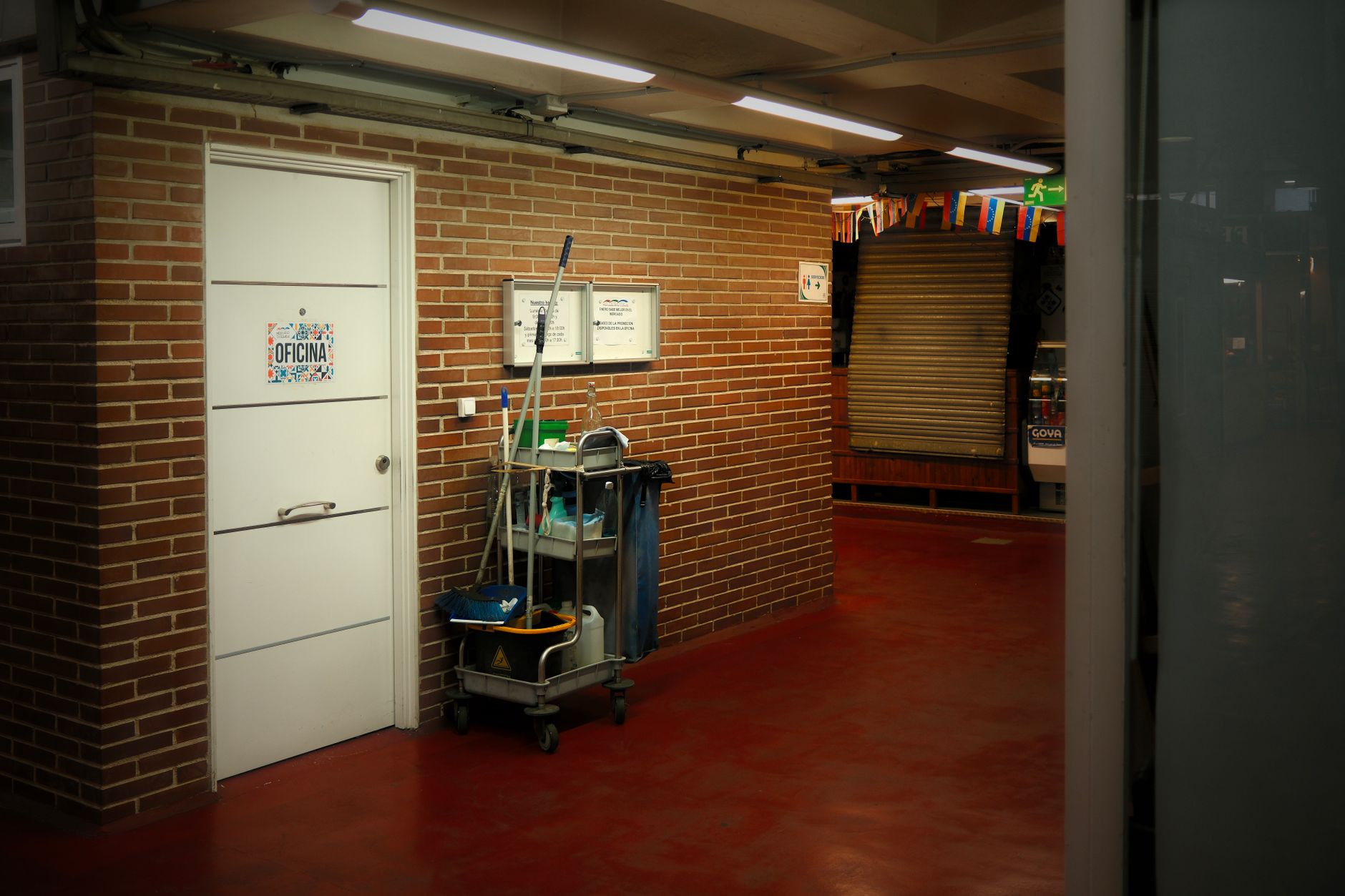
Phased robots alongside familiar scrubber-driers

A contracted facility services partner introduced autonomous scrubber-dryers for larger open areas, compact scrubber-driers for tighter zones, and a fleet management layer to schedule and track machine-assisted cleaning. The hospital planned a follow-on medium-format robotic scrubber as those first units proved stable.
Teams trained on simple start-and-monitor workflows rather than full-time robot babysitting. The partner tied reporting into their existing quality checks so supervisors could see coverage without walking every route twice.
- Map high-traffic corridors and elevator landings first
- Run autonomous scrubbers on predictable off-peak windows
- Keep compact scrubber-driers for patient-adjacent spaces
- Review water use and cycle times weekly during the first month
Measured time, water, and cost relief
The published case study reports 45-65% less cleaning time across the automated program, freeing EVS staff for detail work and faster response on spills. Water consumption fell about 40%, which mattered for both utility spend and sustainability reporting.
Annual cost savings landed near 10,000 euros in the source figures, alongside hygiene and safety gains the hospital described as lower contamination risk in shared corridors. Staff could redirect hours that had been tied to slow floor cycles toward patient-facing support and critical sanitization tasks.

What US hospitals can borrow from the playbook
This is a documented real-world example, not a Service Robot Co. deployment. It still shows how a phased scrubber program can return verifiable hours when corridors are the bottleneck.
Service Robot Co. helps US facilities run the same discipline: OEM-neutral selection, buy or lease financing, mapping, staff training, and ongoing service through a nationwide network of regional engineers. A free site assessment is the practical first step when you want numbers like these on your own floors.