
a production homebuilder in a master-planned Florida community
Blocklaying Robot Completes 1,573 Sq. Ft. of Walls in One Shift
A production homebuilder in a master-planned Florida community tested autonomous blocklaying and completed 1,573 sq. ft. of walls in one shift.
- 1,573 sq ft
- Wall area completed
- 1,912 blocks
- Blocks laid
- 1 shift
- Time to complete
- 3 operators
- Operating crew
Based on a documented real-world deployment. Figures are from public reporting; the organization is not named.
Why This Test Mattered
In residential construction, masonry can become a stubborn schedule gate. A builder needs wall work to move fast enough to keep the next trades fed, but scaling a traditional block crew is not always clean, predictable, or easy to repeat from home to home.
This documented test focused on a practical question. Could autonomous blocklaying compress the masonry window on a live home build without leaning on a large crew. The point was production pace, crew design, and schedule control.
- Keep a live homebuilding schedule moving through wall construction.
- Test whether robotic blocklaying could reduce dependence on a large masonry crew.
- Measure real field output in the U.S. residential market.
Pilot on a Live Build
The work was carried out on an active residential build in Florida, not a trade-show mock-up. The source notes that wall construction for the prior home in the demonstration program was completed before the robot moved to the eighth site, which frames the effort as staged field production rather than a one-off spectacle.
Execution stayed tightly bounded. The robot team tackled a defined wall package, staffed the shift with three operators, and measured success using direct construction output: wall area, wall length, and blocks laid.
That is the right shape for an early deployment in construction. Start with a repeatable scope, control the crew model, and judge the pilot by installed work rather than by novelty.
- Advance from one completed home in the program to the next site.
- Run the robot on a live residential wall package.
- Track output by 1,573 square feet of wall, 184 feet of wall length, and 1,912 blocks laid.
What the Shift Delivered
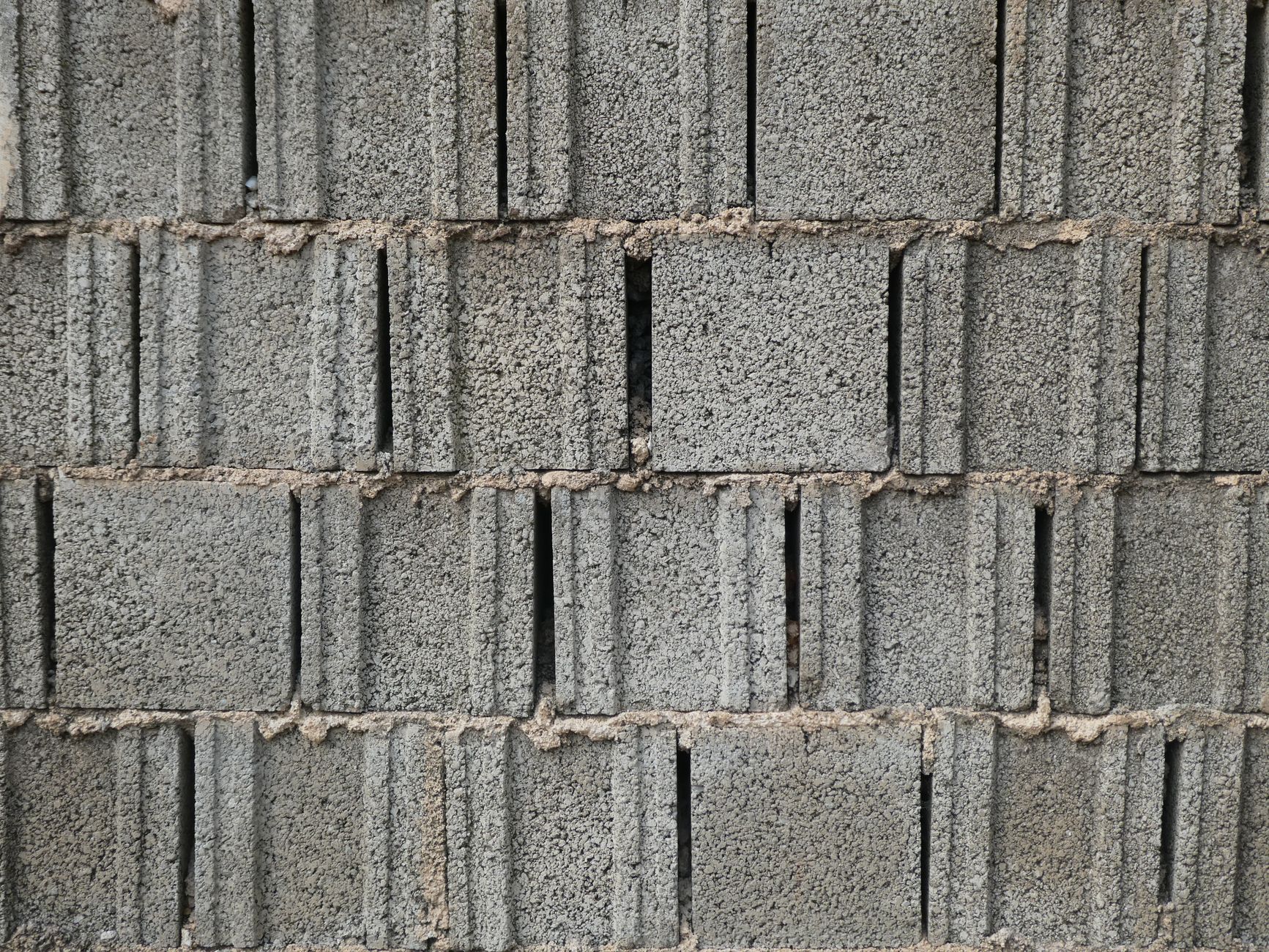
The documented output is unusually concrete. In one shift, the robot laid 1,912 blocks and completed 1,573 square feet of wall, with a wall length of 184 feet and an operating crew of three.
The source also states that this was the first time a home structure of this size was built in a single day with only three operators in the U.S. residential market. For builders, that is the signal that matters: a real wall package, completed fast enough to change the schedule conversation.
What This Means for Builders and for Service Robot Co.
This is not a claimed Service Robot Co. deployment. It is a documented real-world example that shows what autonomous blocklaying can prove when the scope is clear, the crew model is disciplined, and the output is measured in finished wall work.
For builders considering a robot pilot program, the hard part is rarely just getting a machine on site. The real work is vendor neutral robot integrator work: site assessment mapping, robot deployment and integration, go live support, crew training, financing, and service once the pilot turns into a production tool.
That is where Service Robot Co. fits. The company is a full-service, OEM-neutral commercial robot integrator for U.S. businesses, with one vendor for the whole lifecycle across selection, financing, deployment, integration, training, and service through a nationwide engineer network and one partner one number support.