
a Florida county parks department maintaining sports fields
A Florida County Sports Park Department Puts an Autonomous Mower on Its Fields
A Florida county parks department maintaining sports fields adds an autonomous mower, runs it two to three times a week, and shows how crew time can be reassigned.
Deployment at a glance
- 2 to 3
- Times per week the mower is run on the fields
- about 100
- Acres mowed by the time of reporting
- 1
- New autonomous mower put into county grounds work
Based on a documented real-world deployment. Figures are from public reporting; the organization is not named.

Sports fields that keep asking for attention
A county parks department that maintains sports fields works to a calendar that rarely goes quiet. Turf has to be cut often enough to stay playable, and every hour a crew spends on routine mowing is an hour not spent on the other work that keeps fields and amphitheater space ready for use.
Conventional mowing crews need a considerable amount of time to cover this kind of ground, and every pass has to be fitted around scheduled use. County leaders have described the new machine as doing the work in a fraction of the time traditional crews need, which frames the problem as one of crew hours rather than turf quality.
- Routine mowing has to fit around scheduled use of the fields
- Crew hours are hard to spare for other field work
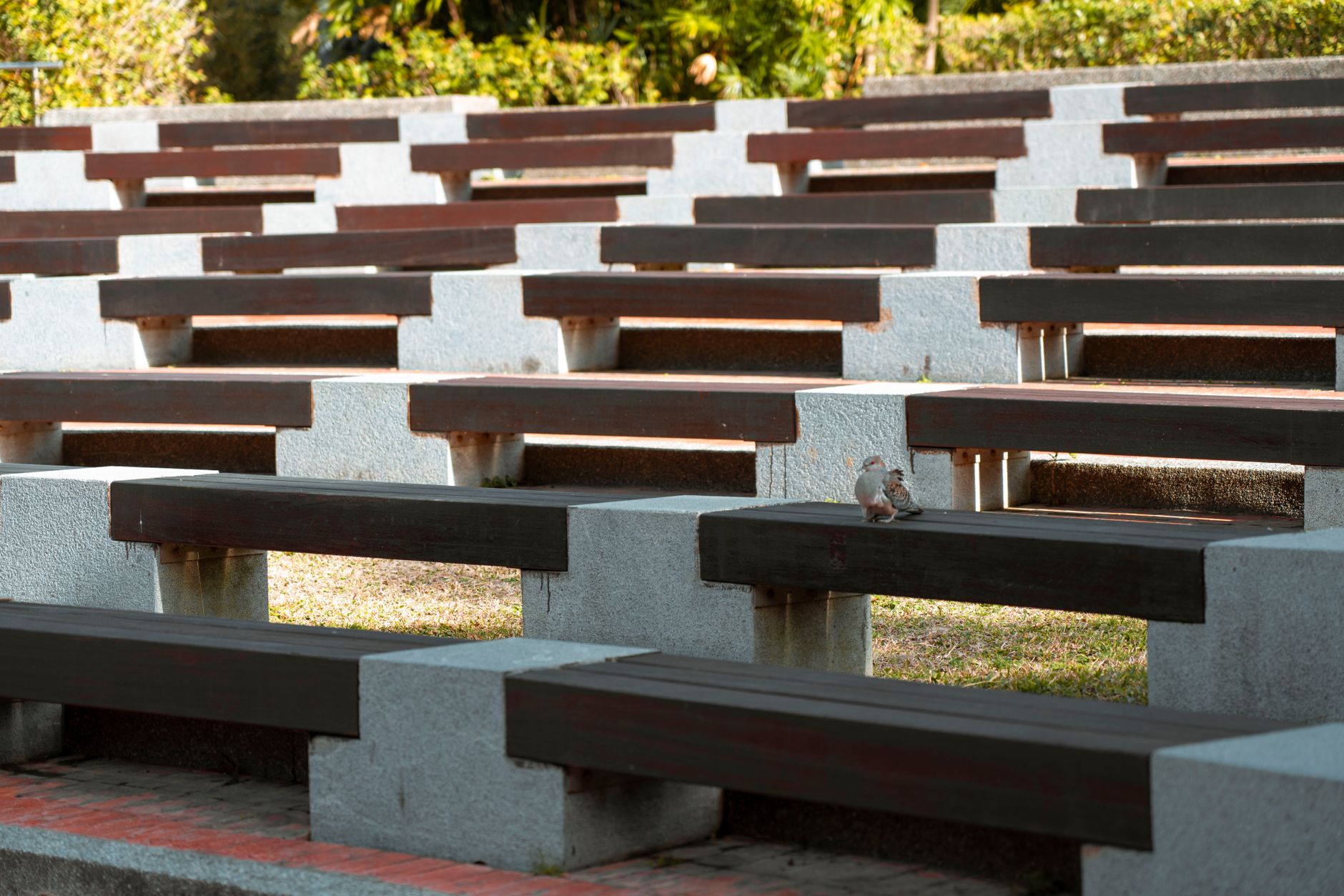
- Amphitheater space needs the same care as the playing surfaces
Phased use on fields and amphitheater space
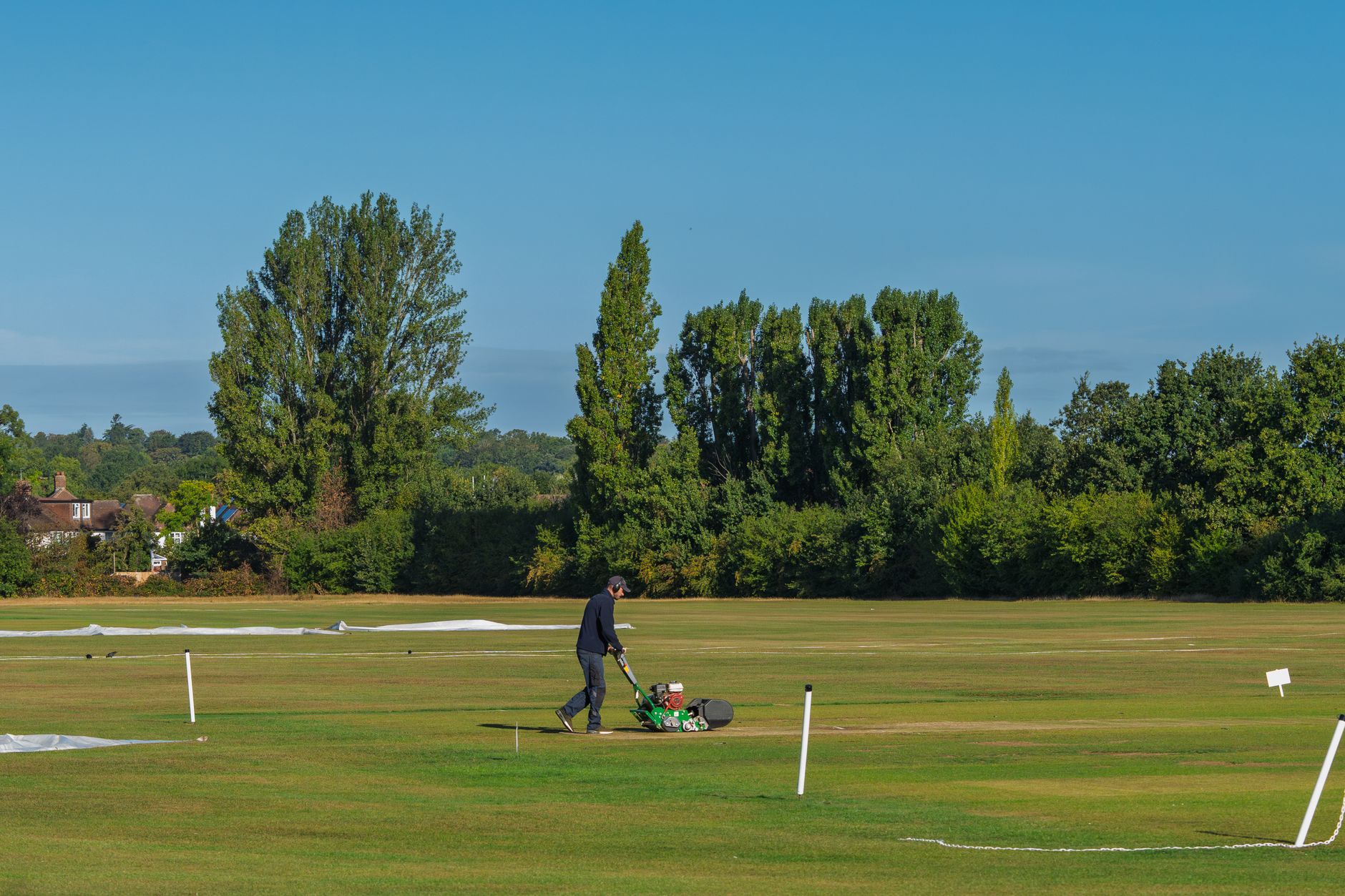
The county put its autonomous mower to work on the fields and the amphitheater at a regional park. The robot supplier provided the machine, and the mower runs and cuts the fields at varying times as needed rather than on a fixed daily cycle.
Staff have used the mower two to three times a week, a pattern that lets the schedule follow the condition of the turf rather than the calendar alone.
- Mower assigned to the fields and amphitheater at one regional park
- Runs timed to field need instead of a fixed daily cycle
- Use settled at two to three runs a week
What the deployment shows so far
The clearest measured facts concern use and coverage. The mower is run two to three times a week, and it had mowed about 100 acres by the time the story was reported. Those numbers describe the workload the machine has carried so far.
County leaders describe the machine as doing the work in a fraction of the time traditional crews need. That account is qualitative and comes from the people running the program, so it describes direction rather than a precise saving.
The practical question is where the returned field hours go next. Each hour handed back to the crew can go toward the maintenance tasks that keep sports fields and amphitheater space ready for use, and tracking those hours against the old schedule is the surest way to turn a good story into a dependable number.
What a leased robot mower program looks like
Service Robot Co. is a full-service, OEM-neutral commercial robot integrator for US businesses. We select the right robots across manufacturers, then finance, deploy, integrate, train, and service every unit through a nationwide US engineer network, so one partner handles the whole lifecycle.
For a parks department or grounds contractor weighing a mower, the sensible first step is a site assessment that reviews the turf, the edges, the slopes and the mowing schedule. Our robot leasing runs on a 3-year lease, and the fixed figure is quoted only after that assessment. Many teams start with one leased unit as a robot pilot program before they decide on more.
Maintenance is part of the arrangement, with remote triage first and on-site dispatch when a unit needs hands on it. That is how the deployment in this study is best read: a mower is one piece of a field-care plan, and the people who set up the plan matter as much as the machine.
Frequently asked questions
Want a robot working for you?
Tell us the job and the site. We will recommend the robot, quote the lease, and keep it serviced.