
a large acute-care hospital in central Florida running shared-use mobile robots for laboratory logistics
How a Central Florida Hospital Laboratory Logged 40,592 Robot Deliveries in One Year
One laboratory robot at a large Orlando-area hospital completed 40,592 cart runs in a single award year, proof that internal lab logistics can scale on AMRs.
- 40,592
- Lab robot deliveries in one award year
- #1
- National single-robot delivery rank
- 12 mo
- Measured award window
- Lab
- Department category led
Based on a documented real-world deployment. Figures are from public reporting; the organization is not named.
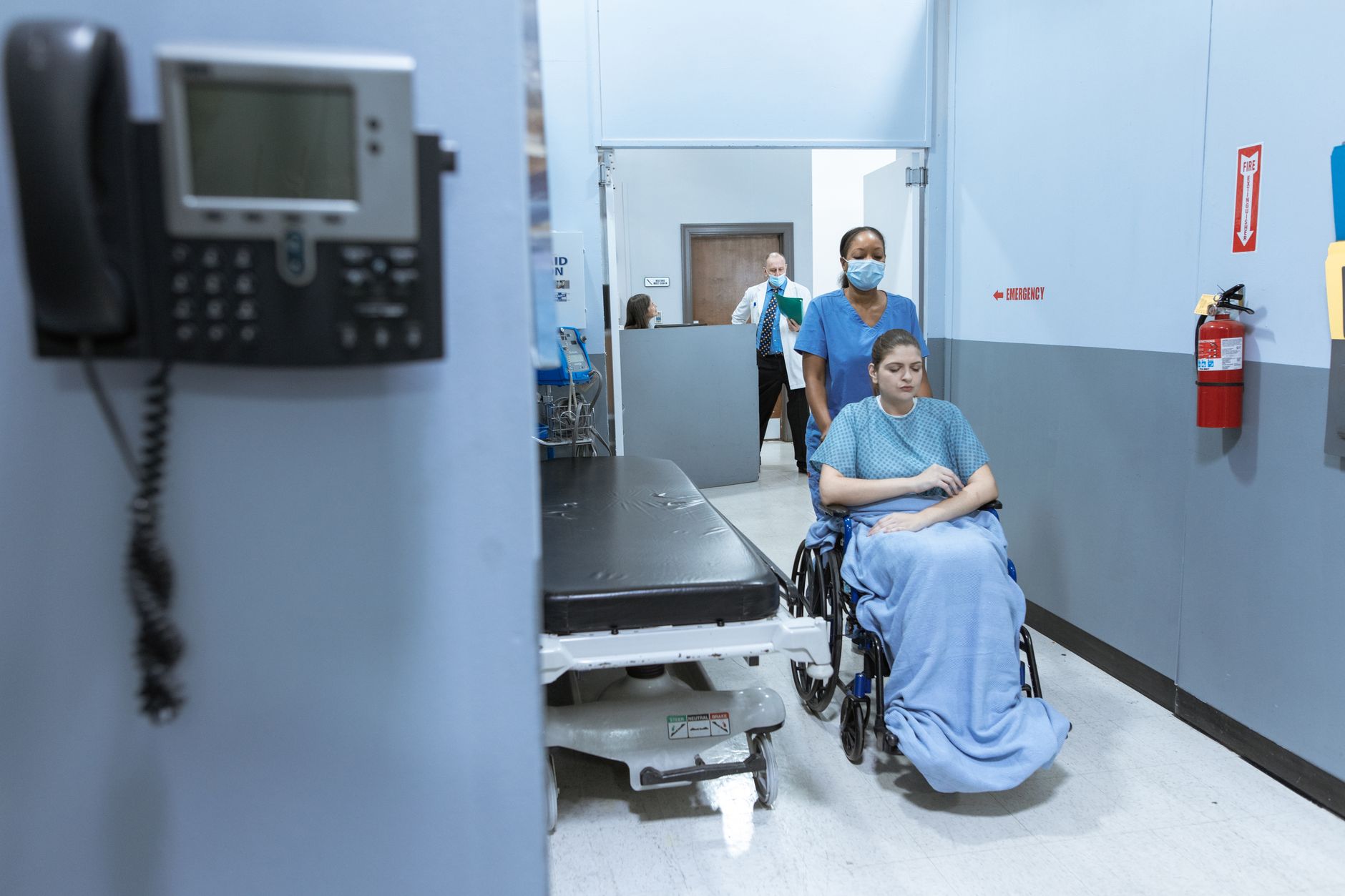
Specimens and supplies could not wait on hallway traffic
A large acute-care hospital in central Florida moves a steady stream of lab specimens, reagents, and support carts between collection points, core lab space, and inpatient units. Technologists and aides were spending slices of every shift walking those carts instead of running tests or answering clinician questions.
Hiring could not keep pace with volume growth across the campus. Leadership needed repeatable transport that would run nights and weekends without adding another courier desk.
- Heavy carts that strain staff on long corridor routes
- Unpredictable peaks when emergency draws spike
- Competition for the same elevators as dietary and pharmacy runs

One dedicated laboratory tug on a measured cycle
The hospital assigned a mobile tug robot to the laboratory department as a single-robot owner rather than diluting usage across unrelated services. Supervisors queued runs while the unit towed loaded carts on mapped indoor routes shared with clinical traffic.
Staff trained on when to release a cart, how to clear doorways, and when to pause for human override. The deployment rolled into an industry award program that tracks verified delivery counts between June 2023 and May 2024.
- Map corridors and elevator banks before go-live
- Keep laboratory as the named owner of the robot queue
- Review delivery totals monthly against clinical volume
Award data showed the highest single-robot delivery total
In that twelve-month award window, the laboratory robot logged 40,592 documented deliveries. That total ranked first nationally among single-robot winners in the laboratory category, ahead of other high-volume sites that posted roughly twenty-one thousand to thirty-one thousand runs in their own categories.
The count reflects sustained daily use, not a short pilot. It shows how one disciplined owner department can push an autonomous mobile robot rental style workload without splitting the device across unrelated floors.

What high-volume lab transport means for your site
Service Robot Co. helps hospitals compare laboratory, pharmacy, and EVS tug programs before capital is committed. We remain vendor neutral, finance units on monthly programs when that fits the budget cycle, and deploy with mapping, training, and nationwide maintenance included.
A documented 40,592 delivery year is a benchmark you can stress-test in a free site assessment. If your corridors and cart types match, phased hospital delivery robot rental can start on one department queue and expand only after the first robot earns its miles.