
a Florida commercial landscaping operator maintaining a half-acre commercial property
A Florida Landscaper's Half-Acre Site: Robot Mower Trims Crew Time, Reported
A Florida landscaping operator reports two crew hours of push-mowing on a half-acre site fell to about 30 minutes of finish work with a robot mower.
Deployment at a glance
- About 2 hrs
- Push-mowing per visit before the robot, reported
- About 30 min
- Crew trimming, edging and blowing after, reported
- 2 crew
- Members on the old push-mowing routine
- 0.5 acre
- Half-acre commercial property under study
Based on a documented real-world deployment. Figures are from public reporting; the organization is not named.
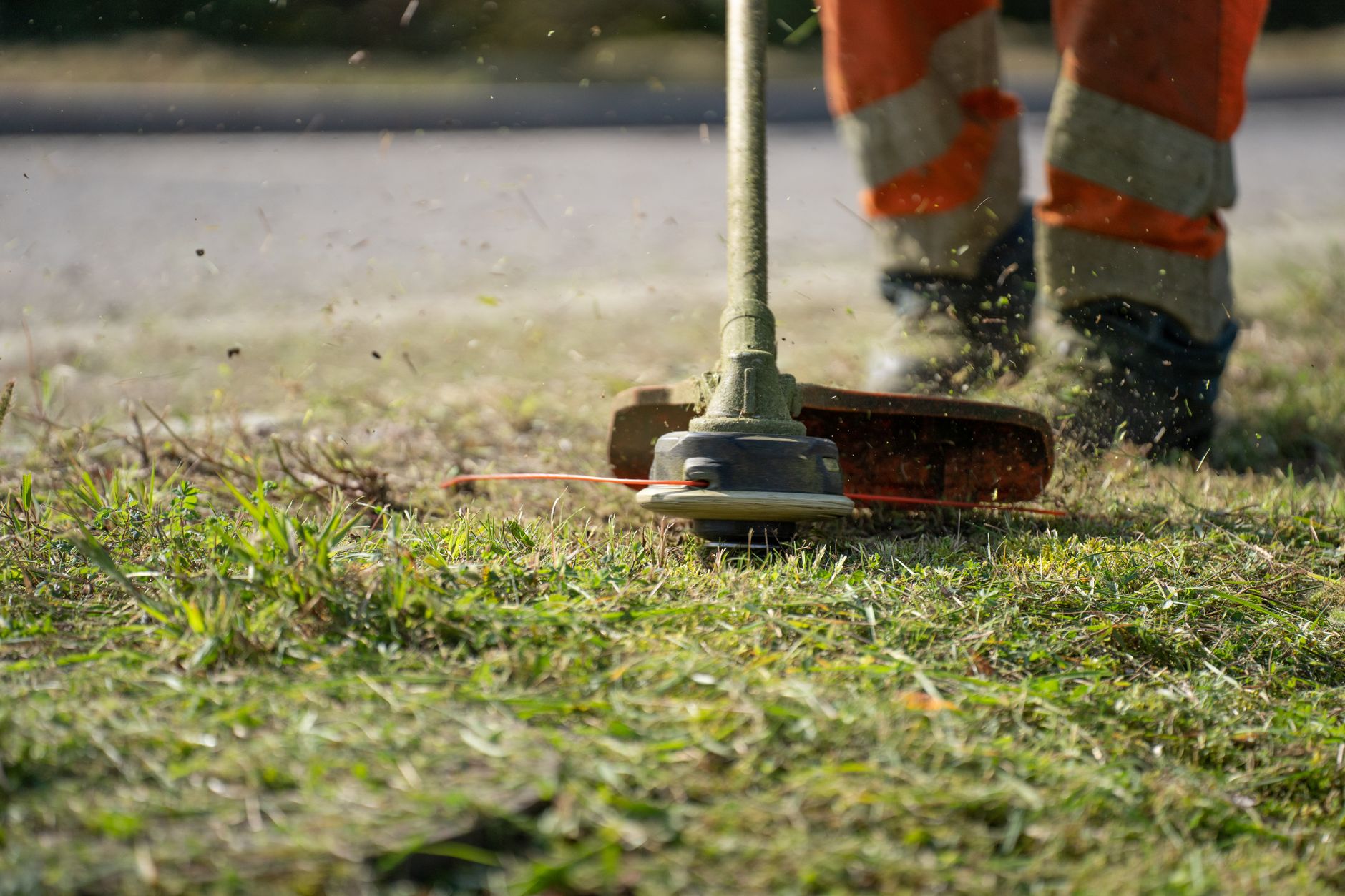
Two crew members, two hours, one open lawn
Commercial grounds work in Florida rarely pauses. Turf keeps growing through the warm months, edges creep onto walks, and every visit still has to close with clean lines and clear paving. On a half-acre commercial property, the open turf was the stretch that absorbed the most crew time.
The operator describes a routine in which two crew members spent about two hours push-mowing the property on each visit. Push-mowing is steady, physical work, and it kept the people who could otherwise be finishing edges, trimming around fixtures and clearing debris from hardscape.
- Two crew members on the push-mowing pass
- About two hours of push-mowing per visit, operator reported
- Trimming, edging and blowing competing for the same crew hours
Handing the open turf to the mower
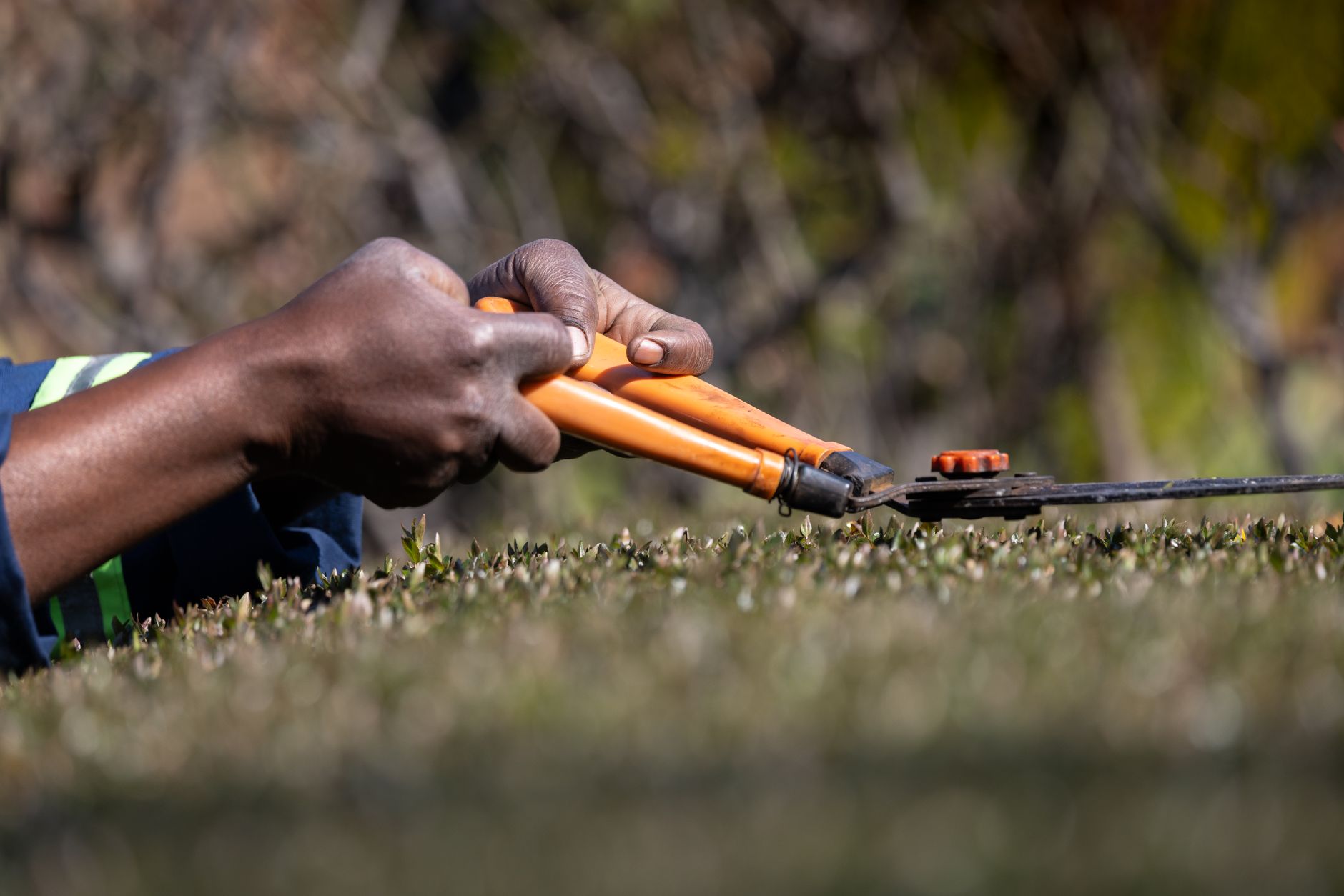
The operator's account centers on one change. A robotic mower took over the open turf, and the crew's hours moved toward tasks that still need a person. Trimming, edging and blowing stayed with the crew because they depend on reach around beds and fences, judgment near obstacles and detail work along walks.
Florida extension guidance on robotic mowers says turf quality can stay comparable to traditional mowing, while labor, noise and emissions go down. The same guidance points to small to medium lawns as the best fit, and a half-acre site sits within that range. Ongoing service, including blade changes, still needs a named person on the team, so the mower is not a set-and-forget task.
- Robotic mower works the open turf
- Crew string-trims around beds, fences and fixtures
- Crew edges along walks and hardscape
- Crew blows off clippings and debris before the visit closes
- Blade changes and other upkeep assigned to a named team member
Crew hours moved toward finish work
The headline figure comes from the operator. A visit that once took two crew members about two hours of push-mowing now needs about 30 minutes of trimming, edging and blowing. These are operator-reported figures for one half-acre property, so they describe this site and this crew.
Taken at face value, the change moves most of the physical mowing load off the crew while keeping the finish work with them. The reported crew time for the routine falls from about two hours of push-mowing to about 30 minutes of finishing tasks, and the results here are measured in labor time.
Where a robot mower lease fits a grounds operation
Service Robot Co. is a full-service, OEM-neutral commercial robot integrator for US businesses. We select the right robots across manufacturers, then finance, deploy, integrate, train and service every unit through a nationwide US engineer network, so one partner handles the whole lifecycle. Robots reach customers through a 3-year lease, with one fixed robot lease payment quoted after a site assessment.
Robot mowing is a site decision as much as a machine decision. A site assessment looks at turf area, edges, obstacles and where the crew's hours actually go, which is what separates a half-acre job from a sprawling one. A business that wants to test the fit can start with one leased unit, watch how crew time shifts, and expand only if the numbers hold for its own property.

Frequently asked questions
Want a robot working for you?
Tell us the job and the site. We will recommend the robot, quote the lease, and keep it serviced.