
an Asian manufacturer of commercial food-processing equipment
Pick-and-Place Cobots Raise Productivity 25% in Manufacturing
A documented pick-and-place cobot deployment raised productivity 25% and reassigned 20% of labor capacity to higher-skill manufacturing work.
- 25%
- higher productivity
- 20%
- labor capacity reassigned
- 2 cobots
- deployed across production
- 5 to 10 min
- line change time
Based on a documented real-world deployment. Figures are from public reporting; the organization is not named.
Skilled Hands Were Tied Up in Repetition
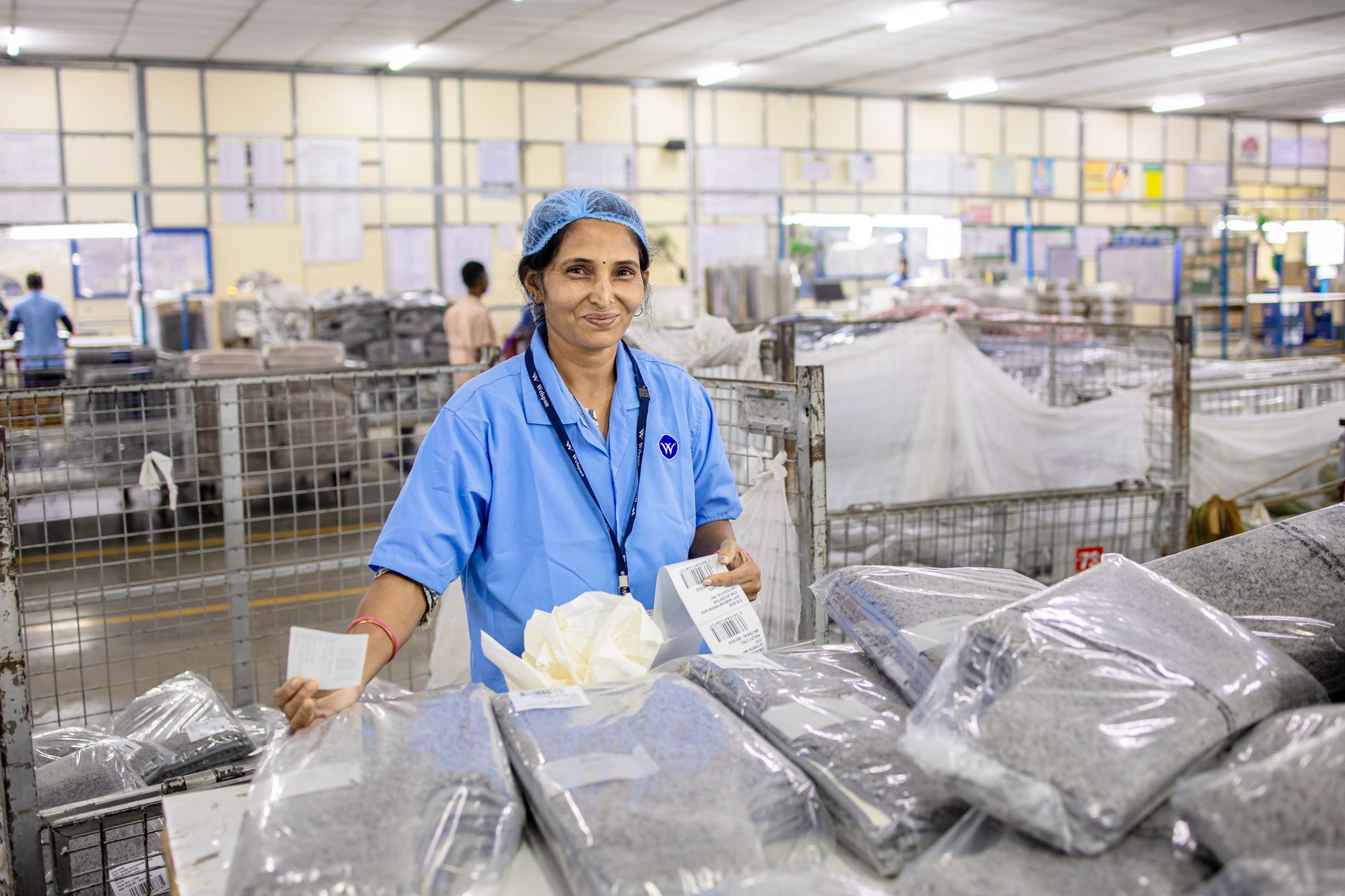
Repetitive pick-and-place work in packaging and label printing was consuming labor needed for more exacting production, product development and design work. With manpower constrained, the manufacturer could not readily support both routine line activity and its higher-skill priorities.
Earlier industrial automation had raised output, but its footprint was too large and it did not suit every product line. Processes left to manual handling were also vulnerable to fluctuations in operator pace, making consistent productivity and quality harder to sustain.
- Release experienced employees from mundane handling without sacrificing output
- Fit automation into limited factory space while preserving operator access
- Move equipment between production lines as demand changed
- Give line personnel enough practical knowledge to manage routine operation
Compact Automation Built Around the Work
The manufacturer selected collaborative robot arms for repetitive pick-and-place duties, deploying two cobots across packaging and label-printing operations. Their compact footprint allowed operators to remain close enough to feed the process after a thorough risk assessment.
The published record does not identify a formal pilot or phased rollout. It does show a deliberately flexible deployment: one cobot could move between two product lines, while intuitive programming let operators set movements and paths without complex reconfiguration.
Training concentrated on practical ownership at the line. After one day, operators had been introduced to cobot operation and later handled temporary stops, fine-tuning, task changes and minor malfunctions themselves.
- Target repetitive pick-and-place work with a clear labor-allocation benefit
- Assess the cell and surrounding operator activity before deciding on guarding
- Configure the cobots for packaging and label-printing tasks
- Train production personnel to run, adjust and redeploy the equipment
- Build routine fault recovery into operator knowledge
More Output and Better Use of Labor
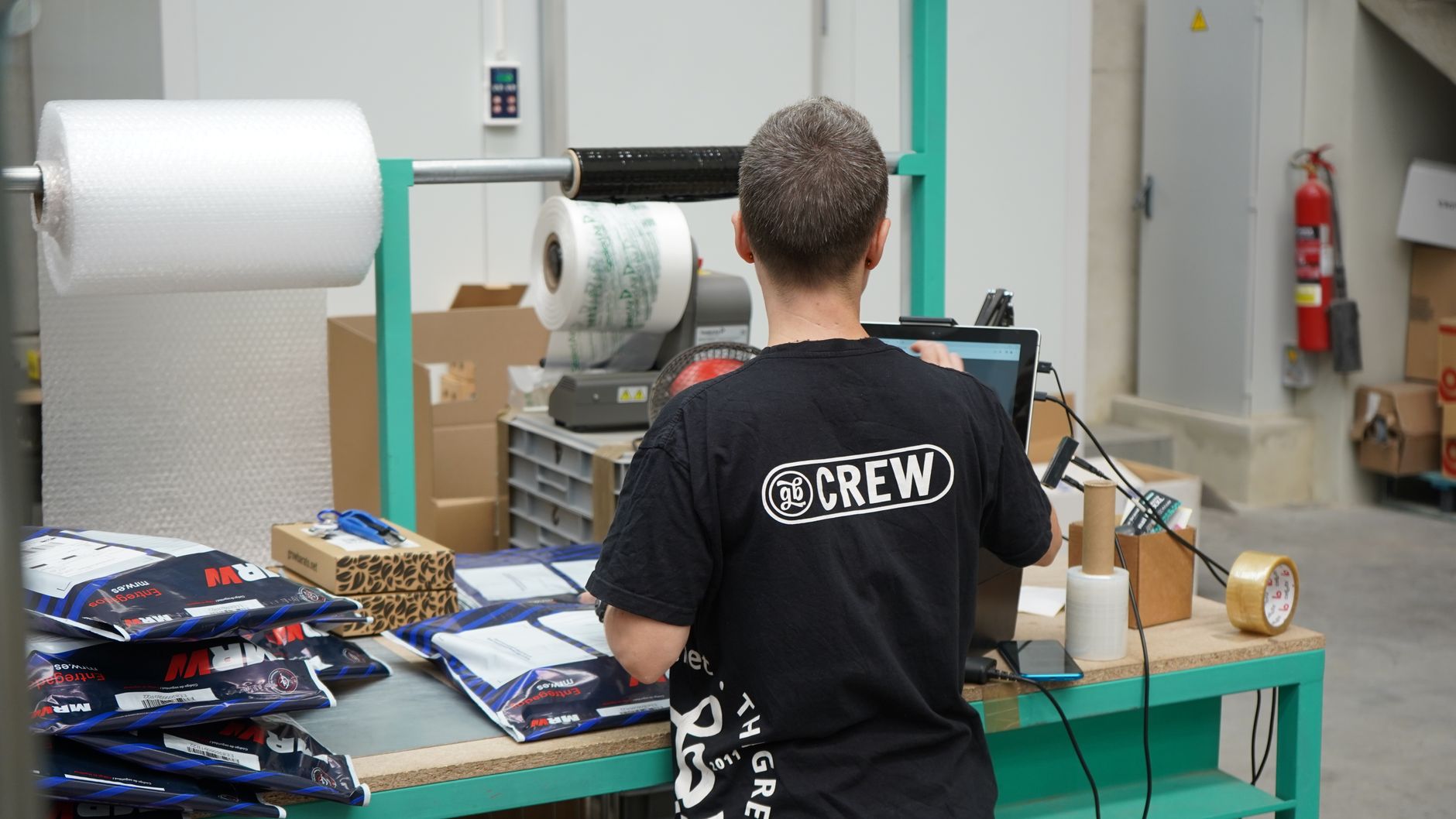
Productivity increased 25% after the cobots entered production. At the same time, 20% of the affected human-resource capacity was freed for work requiring more professional skills. The source describes reallocation, not workforce elimination.
Flexibility became an operating advantage as well. Moving one cobot from the packaging line to the label-printing line, reinstalling it and restarting operation took 5 to 10 minutes. The compact cells also preserved factory space and supported close operator feeding under the site-specific risk assessment.
The gain was therefore broader than faster handling. The manufacturer paired steadier pick-and-place execution with greater access to skilled labor, while employees acquired the ability to operate and fine-tune the equipment and resolve minor faults.
From Documented Result to a Practical US Deployment
This is a documented real-world example analyzed by Service Robot Co., not a Service Robot Co. client deployment. Its central lesson is disciplined task selection: repetitive transport automation can create value when the work is stable enough to automate and the released capacity has a deliberate higher-skill destination.
For US businesses, Service Robot Co. serves as a full-service, OEM-neutral and vendor neutral robot integrator. The company selects equipment across manufacturers, then manages robot deployment and integration, financing, operator training and service through a nationwide US engineer network.
The commercial path can be matched to the operation through collaborative robot arm leasing, cobot leasing for manufacturing, monthly payment programs, robot leasing for business, or purchase or lease. Buyers retain a single accountable vendor for the lifecycle, including commercial robot repair service, remote triage and on-site dispatch.