a Greece-based food ingredients producer and distributor running a high-traffic pallet warehouse
How a Food-Ingredients Warehouse Cut Floor Cleaning Time 60% With a Sweeper
A food-ingredients warehouse automated 2,500 square meters of daily sweeping, cutting cleaning time 60% and slashing manual debris walks by 80%.
- 60%
- Time saved
- 2,500㎡
- Daily sweep
- 80%
- Less inspection
- 24/7
- Scheduled
Based on a documented real-world deployment. Figures are from public reporting; the organization is not named.
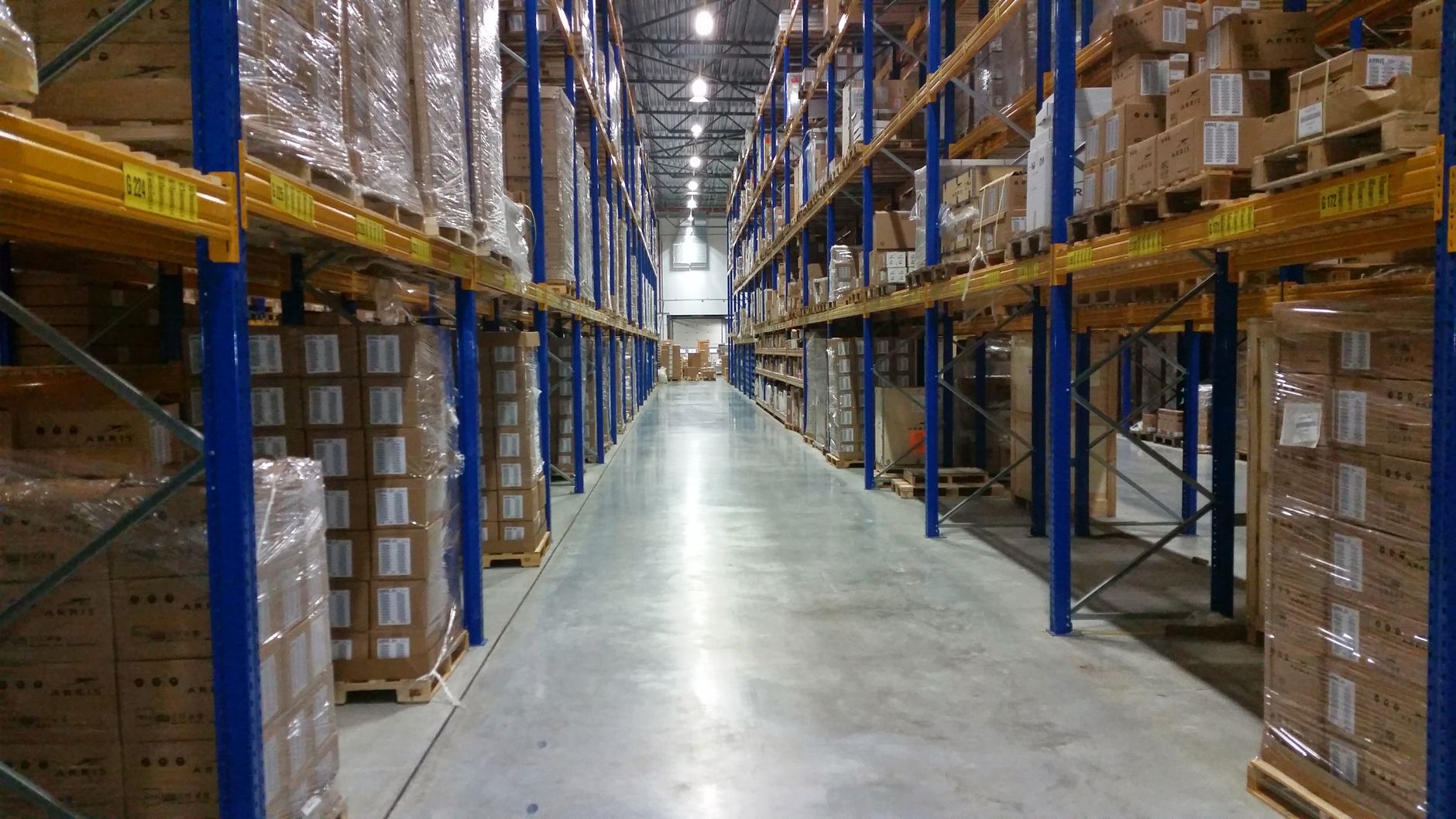
Pallet dust that ate shift time
This food ingredients warehouse moves product through storage aisles where dust, wood splinters, and plastic wrap fragments collect every day. Staff relied on manual push sweepers, which pulled people away from receiving, picking, and quality checks.
Supervisors also sent workers on foot to hunt scattered debris before shifts could start. The process was slow, inconsistent, and hard to repeat across 2,500 square meters of active floor.
- Dust and pallet debris across distribution aisles
- Manual sweepers tied up internal labor
- Visual inspection walks before each shift
- Need for scheduled coverage without extra headcount

Autonomous sweeping on a fixed daily route
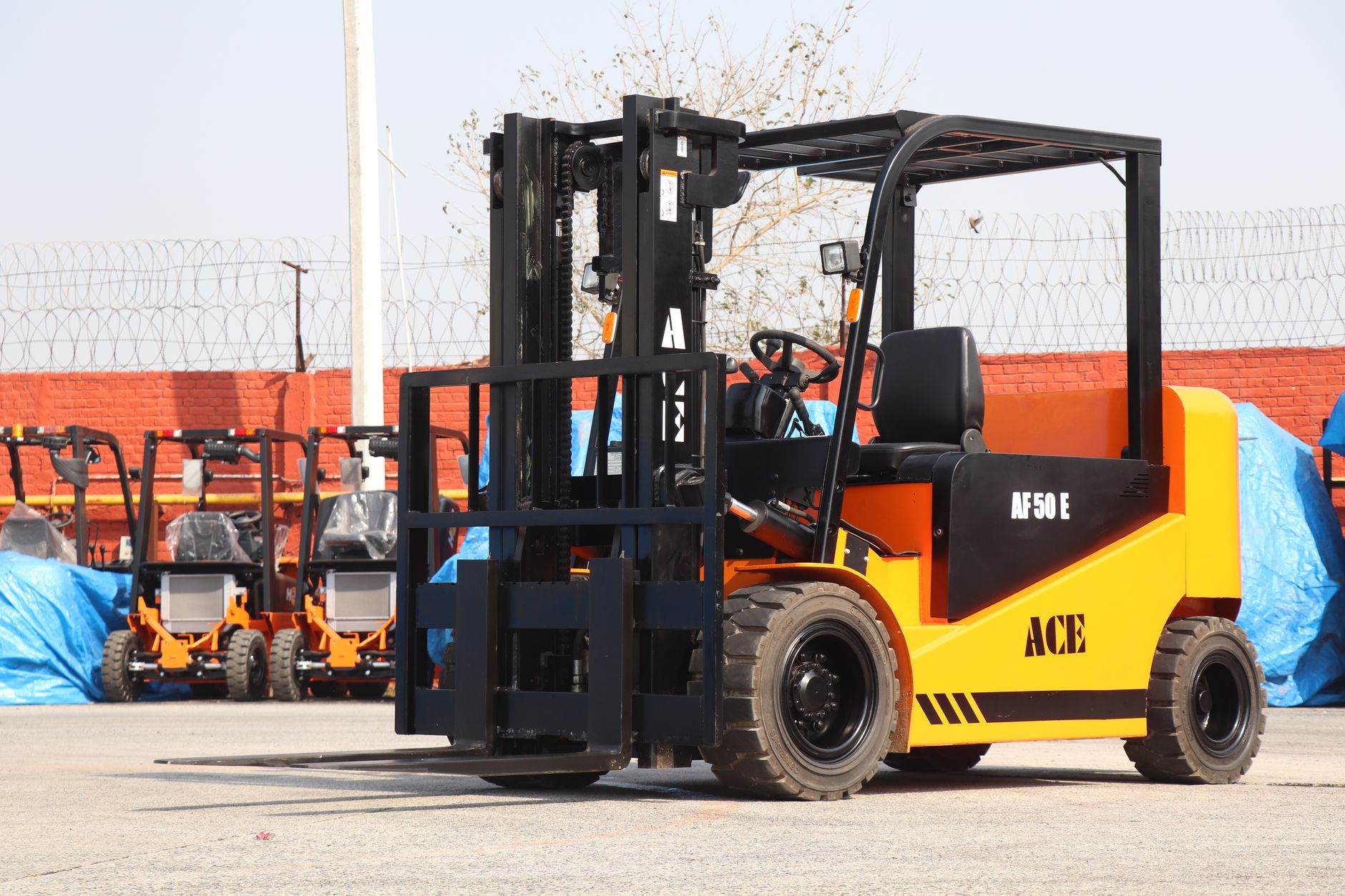
Leadership deployed a compact autonomous industrial sweeper with a charging dock so the unit could run scheduled routes with light supervision. Mapping focused on distribution areas, storage aisles, and general warehouse floors where debris piled up fastest.
The distributor partner handled setup and tuning so the robot could operate while forklifts and walkers were still active nearby. Cleaning shifted from ad hoc pushes to predictable autonomous runs.
- Map high-traffic pallet aisles first
- Install a dock for scheduled charging
- Run sweeps during planned windows
- Keep staff on value tasks, not debris hunts
Measured gains on time and inspection
The published deployment reports automated sweeping across 2,500 square meters per day with a 60% reduction in total cleaning time versus manual push sweepers.
Manual inspection effort to locate scattered trash fell about 80% because scheduled sweeps cleared debris before staff walked the floor. Personnel returned to distribution and internal tasks that support outbound orders.
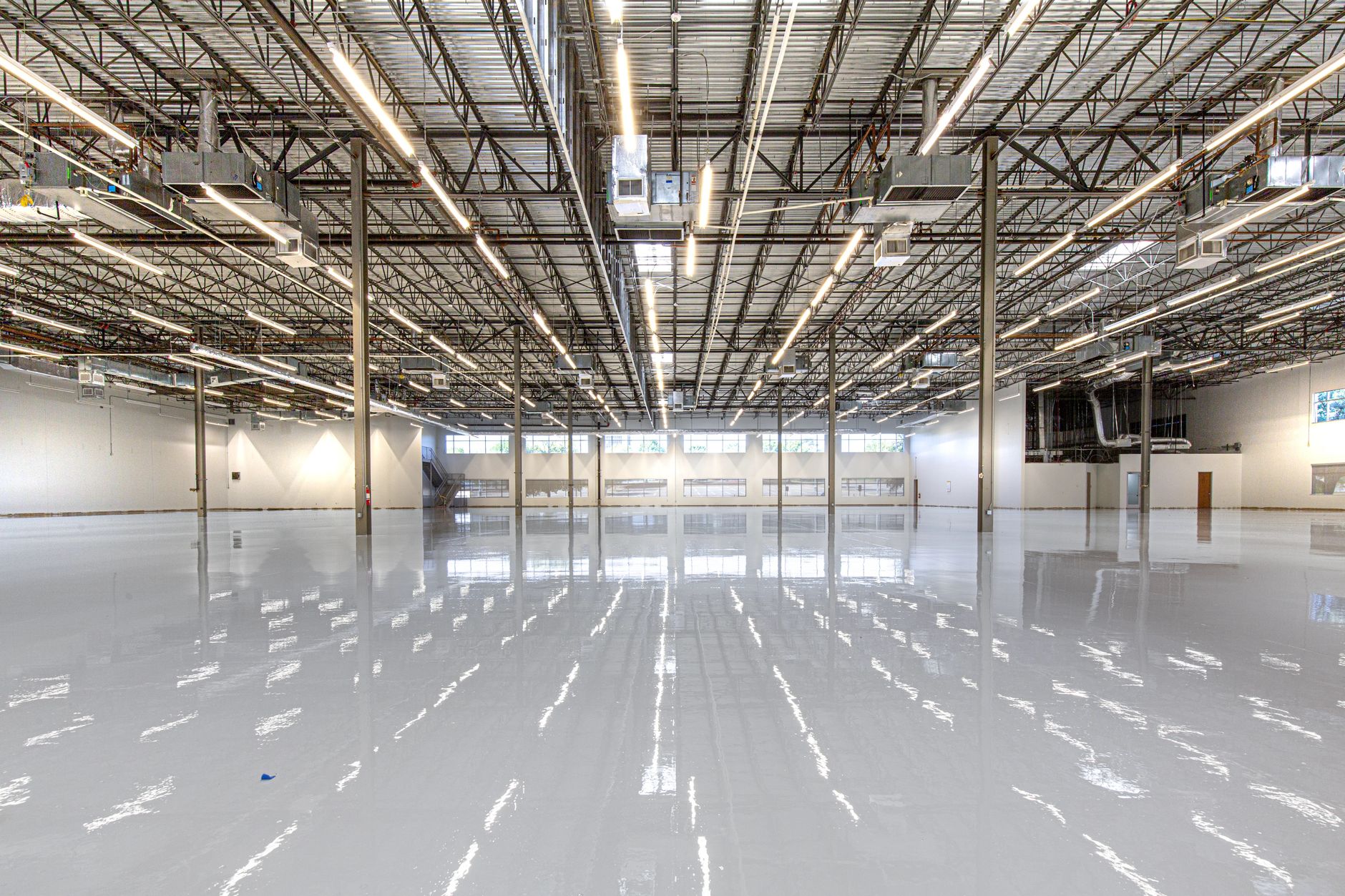
What US food and ingredients warehouses can benchmark
This is a documented European warehouse example, not a Service Robot Co. client story. It shows how pallet-heavy floors can move from push sweepers to autonomous coverage when debris is predictable and routes repeat daily.
Service Robot Co. helps US distributors compare warehouse cleaning robot rental and industrial floor sweeper lease options, run a free site assessment on your aisles, and support turnkey robot deployment with nationwide service engineers after go-live.